




Retatrutide, designated in scientific literature under the developmental code LY3437943, represents a pivotal structural evolution within engineered peptide chemistry. Engineered as a single synthetic peptide sequence, Retatrutide functions as a novel triple receptor agonist targeting three Class B G-protein coupled receptors: the glucagon-like peptide-1 receptor, the glucose-dependent insulinotropic polypeptide receptor, and the glucagon receptor. The primary sequence of Retatrutide incorporates strategic amino acid modifications designed to balance affinity across all three metabolic targets. In vitro ligand-binding assays demonstrate that Retatrutide exhibits high agonistic potency at the glucose-dependent insulinotropic polypeptide receptor, accompanied by calibrated activity at the glucagon-like peptide-1 and glucagon receptors. Upon binding to the extracellular domain of these transmembrane receptors, Retatrutide induces conformational shifts that drive coupling with intracellular heterotrimeric G-proteins. This activation stimulates membrane-bound adenylate cyclase, rapidly converting adenosine triphosphate into cyclic adenosine monophosphate. The resulting intracellular surge of cyclic adenosine monophosphate recruits downstream effector systems, including protein kinase A and exchange protein directly activated by cyclic AMP. Unlike single-receptor agonists or dual-acting incretin mimetics, this single-molecule tri-agonist concurrently engages three distinct intracellular signaling cascades. The structural design maintains peptide backbone stability during routine cell culture incubations, supplying structural biologists with a sophisticated molecular tool to explore multi-receptor crosstalk and complex metabolic signal transduction in laboratory environments.
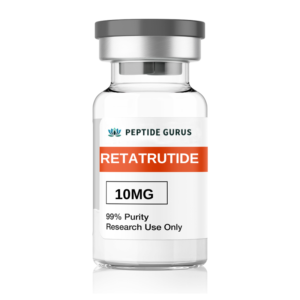
Peer-reviewed literature and published research trial documentations emphasize the unique biochemical synergy made possible by simultaneous multi-receptor engagement. Findings reported across leading biomedical journals indicate that co-activating glucagon-like peptide-1, glucose-dependent insulinotropic polypeptide, and glucagon receptors influences cellular metabolic pathways more comprehensively than single or dual receptor stimulation. The glucagon-like peptide-1 receptor pathway acts primarily on central satiety signaling networks and gastrointestinal motility in preclinical models. Concurrently, activation of the glucose-dependent insulinotropic polypeptide receptor enhances glucose-stimulated insulin release and modulates lipid partitioning dynamics within adipocyte cultures. The integration of glucagon receptor agonism represents a distinct biological paradigm. Historically classified purely as a counter-regulatory hormone pathway promoting hepatic glucose output, glucagon receptor engagement in a co-agonist context stimulates hepatic fatty acid oxidation, boosts mitochondrial bioenergetics, and elevates substrate turnover in cellular models. Simultaneously, the complementary incretin activity derived from the glucagon-like peptide-1 and glucose-dependent insulinotropic polypeptide pathways buffers against potential elevations in glucose release caused by isolated glucagon activity. Pharmacological evaluations across Phase 1, Phase 2, and Phase 3 research trials detail significant dose-dependent modulations of metabolic biomarkers, including marked reductions in glycated hemoglobin and intrahepatic lipid accumulation. This three-way receptor synergy provides metabolic researchers with a unified pharmacological platform to study energy expenditure, nutrient partitioning, and receptor cross-talk without introducing multi-drug confounding variables.
Maintaining rigorous quality verification protocols is mandatory when employing complex synthetic peptides like Retatrutide in quantitative laboratory research. Minor synthesis anomalies, sequence truncations, or oxidation variants can profoundly shift binding kinetics and compromise experimental reproducibility. High-Performance Liquid Chromatography remains the baseline analytical standard for assessing chemical purity, requiring analytical profiles that present a sharp, symmetrical primary peak corresponding to a purity threshold exceeding ninety-eight percent. Liquid Chromatography-Mass Spectrometry further validates molecular integrity by confirming the accurate monoisotopic mass and sequence fidelity, identifying potential synthesis artifacts such as deletion peptides or incomplete deprotection states. Recent Food and Drug Administration guidance on synthetic peptide analytical characterization emphasizes the necessity of comprehensive impurity profiling, focusing specifically on critical quality attributes like peptide micro-heterogeneity, organic volatile impurities, and counter-ion content. Every production batch intended for rigorous laboratory screening must be backed by a detailed Certificate of Analysis. Essential analytical metrics within these records include high-resolution HPLC chromatograms, LC-MS spectra, residual trifluoroacetic acid quantification, heavy metal screening, and bacterial endotoxin testing showing levels below 0.05 endotoxin units per milligram. Such complete analytical validation guarantees that observed bioactivity in cell assays or tissue cultures reflects the specific actions of Retatrutide rather than background synthetic impurities or degraded peptide fragments.
Preserving the structural stability of lyophilized Retatrutide requires strict adherence to standardized material handling and storage parameters. In its lyophilized powder form, the peptide structure possesses moderate stability; however, improper exposure to moisture, elevated temperatures, or light can trigger rapid degradation pathways. Primary degradation mechanisms for synthetic peptides include deamidation at sensitive asparagine or glutamine residues, oxidation of methionine side chains, and peptide bond cleavage via ambient thermal hydrolysis. To ensure long-term physical integrity, lyophilized vials must be stored in airtight containers at sub-zero temperatures, preferably at minus twenty degrees Celsius or minus eighty degrees Celsius, alongside suitable desiccants to prevent atmospheric condensation. When preparing working solutions for in vitro experiments, laboratory personnel should select sterile, degassed buffer solutions such as neutral phosphate-buffered saline. Once reconstituted in aqueous media, peptide stability decreases significantly, necessitating prompt experimental application or systematic aliquoting. Freeze-thaw cycles must be strictly avoided, as recurring phase changes generate mechanical shear forces and hydrophobic aggregation, resulting in irreversible protein precipitation and reduced bioactivity. Furthermore, handling protocols must limit vigorous mechanical agitation, as vortexing introduces air-water interfaces that accelerate misfolding and hydrophobic fibril formation. Standardized storage protocols built upon these preservation guidelines safeguard experimental consistency over multi-week laboratory trials.
Retatrutide functions as a versatile compound across diverse research application scenarios, ranging from high-throughput receptor binding assays to complex cellular bioenergetic profiling. In structural biology labs, researchers deploy this triple agonist to study receptor internalization kinetics, G-protein coupling efficiency, and biased signaling pathways. Cell culture experiments focusing on hepatic lipid metabolism utilize verified peptide material to quantify rates of beta-oxidation and track gene expression changes governing lipogenesis. Comparative incretin pharmacology studies frequently utilize Retatrutide as a benchmark reference compound to evaluate newly synthesized candidate molecules. For academic institutions and corporate research centers requiring reliable batch-to-batch consistency, securing high-purity material with total analytical transparency is paramount. Peptide Gurus addresses this essential scientific requirement by delivering high-purity, American-stocked research peptides manufactured in compliance with strict WHO/GMP and ISO 9001 quality standards. By providing comprehensive batch documentation, including detailed Certificates of Analysis, high-resolution HPLC chromatograms, and verified LC-MS spectra, Peptide Gurus supplies trustworthy research reagents that uphold scientific integrity. Through dependable distribution logistics, flexible bulk procurement options, and unwavering adherence to research-grade chemical standards, Peptide Gurus empowers biochemistry laboratories and analytical facilities to advance metabolic science with full confidence in material purity and batch consistency.
PeptideGurus is a leading supplier of American-made research peptides, offering top-quality products at competitive prices. With a focus on excellence and customer service, they ensure a secure and convenient ordering process with global shipping.
© Copyright Peptide Gurus 2024. All rights reserved.Privacy Policy
All products on this site are for Research, Development use only. Products are Not for Human consumption of any kind. The statements made within this website have not been evaluated by the US Food and Drug Administration or HEALTH CANADA. The statements and the products of this company are not intended to diagnose, treat, cure or prevent any disease.
PeptideGurus is a chemical supplier. PeptideGurus is not a compounding pharmacy or chemical compounding facility as defined under 503A of the Federal Food, Drug, and Cosmetic act. Peptide Sciences is not an outsourcing facility as defined under 503B of the Federal Food, Drug, and Cosmetic act.
CONTACT