



In contemporary metabolic research, few investigative compounds have garnered as much intense academic scrutiny as Retatrutide. As a unique single-molecule triple agonist, this peptide simultaneously targets the glucose-dependent insulinotropic polypeptide (GIP), glucagon-like peptide-1 (GLP-1), and glucagon receptors. Laboratories around the globe are actively examining how this multi-receptor engagement modulates energy expenditure and cellular signaling cascades. Unlike older selective agonists, the simultaneous activation profile offers a sophisticated model for investigating complex endocrine feedback loops. Researchers publishing in peer-reviewed endocrinology journals note that this multi-targeted approach opens unprecedented avenues for mapping out energy homeostasis and metabolic regulation at a molecular level.
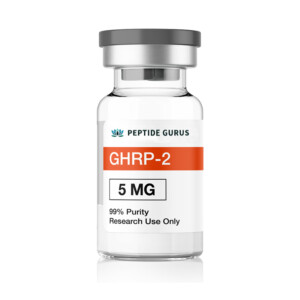
Maintaining experimental reproducibility in academic and institutional settings heavily relies on the chemical integrity of the tested compounds. When handling complex amino acid sequences like Retatrutide, analytical laboratories mandate strict purity thresholds exceeding 99%. High-performance liquid chromatography (HPLC) and liquid chromatography-mass spectrometry (LC-MS) serve as foundational tools for verifying molecular weight and identifying potential synthesis impurities. Independent laboratory analyses ensure that peptide configurations match expected theoretical structures without truncation or oxidation anomalies. Without such rigorous verification protocols, experimental data regarding receptor binding affinities risk distortion, emphasizing why procurement from verified, quality-focused suppliers remains a top priority for principal investigators.
The physical stability of synthetic peptides during long-term laboratory storage is a critical variable that influences assay outcomes. Lyophilized Retatrutide exhibits optimal stability when kept in controlled, moisture-free environments at sub-zero temperatures, typically between -20°C and -80°C. Researchers must carefully manage reconstitution procedures using optimal bacteriostatic buffers and avoid repeated freeze-thaw cycles that can induce peptide aggregation or structural degradation. Documenting environmental exposure parameters during transport and storage safeguards the integrity of the sample, ensuring that biochemical assays remain consistent across multi-phase experimental designs conducted over several months.
Securing reliable access to high-purity investigative compounds remains a logistical challenge for many academic facilities and biotechnology laboratories. PeptideGurus addresses this bottleneck by establishing robust international supply chains and partnering with advanced synthesis facilities operating under stringent quality frameworks. By prioritizing lot-to-lot consistency, comprehensive Certificate of Analysis (COA) documentation, and secure global warehousing, PeptideGurus ensures that research teams receive uncompromised materials promptly. This dedication to operational excellence allows investigators to focus entirely on empirical discovery rather than compound variability, positioning PeptideGurus as a dependable partner for advanced laboratory initiatives worldwide.
Q1: What is the primary chemical characteristic that distinguishes Retatrutide from traditional single-target peptides?
Answer: Retatrutide is classified as a single-molecule triple receptor agonist. Unlike traditional peptides that target only a single receptor, it simultaneously engages glucagon, GIP, and GLP-1 receptors, creating a unique multi-pathway profile for studying metabolic signaling and energy expenditure in laboratory environments.
Q2: Why is the inclusion of the glucagon receptor component considered a paradigm shift in the treatment landscape of metabolic disorders?
While traditional therapies focused solely on caloric restriction via satiety, adding glucagon agonism actively addresses energy output, offering a dual-action approach of reduced intake combined with increased metabolic rate.
Q3: How does Retatrutide influence pancreatic beta-cell function and insulin sensitivity according to recent metabolic research findings?
Studies indicate that the combined GLP-1 and GIP signaling enhances glucose-dependent insulinotropic secretion while improving peripheral insulin sensitivity in skeletal muscle and adipose tissue.
PeptideGurus is a leading supplier of American-made research peptides, offering top-quality products at competitive prices. With a focus on excellence and customer service, they ensure a secure and convenient ordering process with global shipping.
© Copyright Peptide Gurus 2024. All rights reserved.Privacy Policy
All products on this site are for Research, Development use only. Products are Not for Human consumption of any kind. The statements made within this website have not been evaluated by the US Food and Drug Administration or HEALTH CANADA. The statements and the products of this company are not intended to diagnose, treat, cure or prevent any disease.
PeptideGurus is a chemical supplier. PeptideGurus is not a compounding pharmacy or chemical compounding facility as defined under 503A of the Federal Food, Drug, and Cosmetic act. Peptide Sciences is not an outsourcing facility as defined under 503B of the Federal Food, Drug, and Cosmetic act.
CONTACT