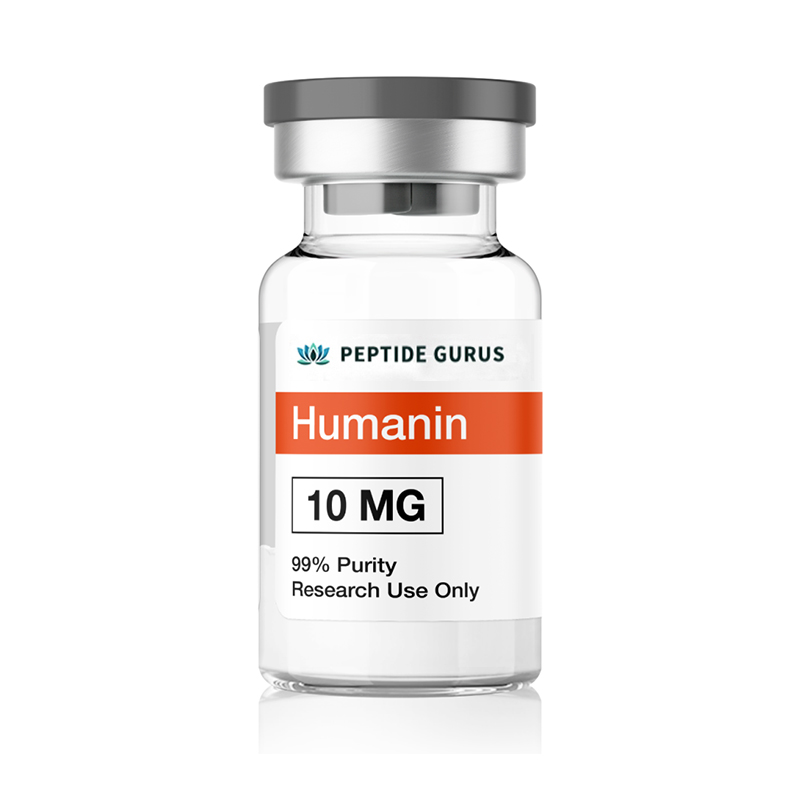
Schreiben Sie uns jetzt eine E-Mail, um Ihre Bestellung mit dem 1-zu-1-Support aufzugeben. Begrenzter Bestand! Wir akzeptieren Zelle, CashApp, Venmo, Banküberweisungen und Krypto.
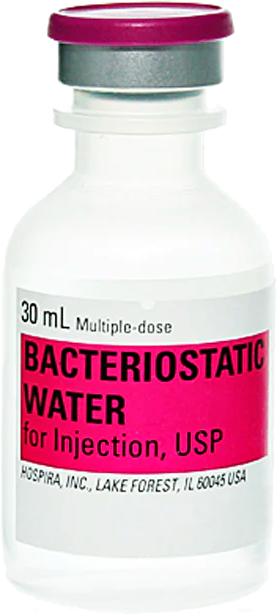
Freie (1) 30 ml bakteriostatisches Wasser mit qualifizierten Bestellungen über $500 USD.
(excludes capsule products, cosmetic peptides, promo codes and shipping)
Product Usage: This PRODUCT IS INTENDED AS A RESEARCH CHEMICAL ONLY. This designation allows the use of research chemicals strictly for in vitro testing and laboratory experimentation only. All product information available on this website is for educational purposes only. Bodily introduction of any kind into humans or animals is strictly forbidden by law. This product should only be handled by licensed, qualified professionals. This product is not a drug, food, or cosmetic and may not be misbranded, misused or mislabled as a drug, food or cosmetic.
Humanin -Übersicht
Humanin ist ein natürlich vorkommendes Mikropeptid für die Tatsache, dass es in der mitochondrialen DNA codiert ist (Mitochondrien enthalten eine kleine Mengen an DNA, die nur für sie ausschließt). Es fungiert als zytoprotektives Protein und schützt Zellen vor dem Apoptoseprozess (programmierter Zelltod) durch Interferenz mit dem normalen Betrieb des BCL2-assoziierten X-Proteins (Bax). Variationen von Humanin wurden bei einer Reihe von Säugetieren von Menschen zu Ratten gefunden und sind über Arten hinweg hoch konserviert [1]. Untersuchungen zeigen, dass Humanin für den Schutz von Neuronen, Herzgewebe, Muskelzellen, der Retina des Auges und der Auskleidung von Blutgefäßen wichtig ist.
Unlike standard peptides and proteins, which are produced through posttranslational modification of larger peptides, micro-peptides are produced by short, open reading frames (sORFs) and do not undergo modification once they are produced. Ranging in size from 100-150 amino acids in length, sORFs were originally overlooked by researchers convinced that all peptides were produced by the same process of DNA to RNA to protein to modified protein. No one considered that the last step, modification, could be disregarded entirely.
In humans, a number of sORFs have been identified. Their functions range from enhancing mRNA processing to helping to repair DNA damage and interacting with other proteins to create complex macro-proteins. Humanin, one of the smallest micro-peptides known to date, is just 24 amino acids in length. It interacts with the Bcl2-associated X protein (Bax) to regulate apoptosis, blocking the function of Bax when necessary to preserve cells that would otherwise be destroyed.
Neuroprotektion
Research in rats indicates that humanin protects not just against apoptosis, but against programmed cell death in specific situations. In particular, the micro-peptide has been shown to protect neurons in the setting of Alzheimer’s disease, preventing the cell death that is induced by beta-amyloid plaque build-up[3]. Research shows that the peptide protects against excitotoxic neuron death in experiments using NMDA pulses[1].
Similar results to the above experiments were obtained when investigating neuron death occurring secondary to prion disease[4]. There is hope that this function of humanin can be exploited to slow or even halt neurodegenerative diseases like Alzheimer’s disease and other forms of dementia. Though it does not strike at the heart of the conditions (e.g. the formation of amyloid plaques in Alzheimer’s disease) humanin could be critical in tipping the delicate physiologic balance that plays out in these conditions, favoring the suspension of apoptosis[5].
Humanin appears to protect neurons through two different mechanisms, both of which have the ultimate function of preventing mitochondria from activating the apoptosis pathway. Under normal circumstances, the Bcl-2 family of proteins signal the release of proteins from the mitochondrial membrane, which in turn activate caspases that coordinate the orderly destruction and recycling of a cell[6]. This process is actually useful in many settings, such as during viral invasion, when the destruction of a handful of cells can prevent widespread tissue damage. Unfortunately, the process may become dysregulated in certain disease conditions with the result being unrestrained, widespread cell death. Humanin binds to Bcl-2 stimulating proteins Bid and tBid and blocks their function, thereby shutting down the apoptosis pathway at its origin[7].
Cutting edge research out of Argentina has found that humanin is actually released by astrocytes to protect synapses in hippocampal neurons[8]. As with many natural regulatory processes, there is some thought that humanin function may decline with age, thereby allowing for age-related memory loss and the increased prevalence of neurodegenerative disease. Some researchers speculate that there may be a role for humanin supplementation in older adults and a means of offsetting normal age-related declines in the production of this critical micro-peptide.
Humanin levels in relation to age. A significant decline in humanin levels is seen in older individuals.
Source: PubMed
Humanin-Schnittstellen mit IGF-1
Jüngste Untersuchungen der University of Southern California haben ergeben, dass Humanin mit dem Insulin-ähnlichen Wachstumsfaktor 1 (IGF-1) interagiert. Tatsächlich interagieren die beiden Peptide miteinander, wobei Humanin die zirkulierenden Spiegel von IGF-1 und IGF-1 verringern, die die Humaninspiegel beeinflussen. Obwohl der Mechanismus dieser Interaktion noch nicht vollständig geklärt sein muss, finden Wissenschaftler die Beweise, dass Humanin ein neuer und potenziell wichtiger Spieler in der IGF-1-Signalübertragung ist. Die Peptide haben in vielerlei Hinsicht synergistische Wirkungen und arbeiten zusammen, um die Apoptose zu hemmen, die Insulinsensitivität zu steigern, Entzündungen zu verringern und vor bestimmten Formen von Herzerkrankungen zu schützen. In anderen Fällen spielen die Peptide antagonistische Rollen. Es sind weitere Untersuchungen erforderlich, um genau die Art und Weise aufzuklären, wie sich IGF-1 und Humanin gegenseitig beeinflussen, aber dass dies eine etablierte Tatsache ist [9].
Herzkrankheit
Research out of the Mayo Clinic, America’s premiere healthcare institution, reveals that humanin is expressed in the walls of human vasculature and helps to protect blood vessels from the effects of oxidized LDL (bad) cholesterol. In particular, humanin interferes with the production of reactive oxygen species (free radicals) in response to LDL oxidation. In so doing, it reduces reactive oxygen species in the vasculature by 50% and reduces apoptosis by 50% as well[10].
It has already been established that humanin levels decline with age, but new research suggests that the micro-peptide may also be affected by certain disease states. Researchers in cardiology have long sought to find blood markers that can be used to quantify how effectively mitochondria are functioning in the setting of cardiovascular disease. This is a critical measure of health in patients with heart disease because it gives a good estimate of how ischemic the tissue is and how advanced the disease is and may be useful in deciding when intervention is necessary. Research out of Russia shows that humanin levels may be a good marker in this setting as the decline in proportion to the severity of cardiovascular disease[11]. In this cause, humanin may serve as both a diagnostic marker and as a potential treatment for the same condition as supplementation with humanin is likely to protect the already stressed mitochondria.
Humanin -Forschung und Netzhautkrankheit
Das Netzhautpigmentpithel (RPE) ist eine Schicht der Netzhaut, die sich überlegen und die für das Sehen verantwortlichen Zellen nähren. Es spielt Rollen bei der Absorption und Streuung von Licht, filtert die Blutkomponenten, die die innere Netzhaut erreichen, und etabliert unter anderem die immunprivilegierte Natur des inneren Auges. Die Schädigung des RPE ist in altersbedingter Makuladegeneration sowie in einer diabetischen Retinopathie und einer Handvoll anderer gemeinsamer, schwerer Augekrankheiten zu beobachten. Untersuchungen zeigen nun, dass Humanin eine wichtige Komponente im RPE ist und dass sie den oxidativen Stress in diesem Gewebe verringert. Die Supplementierung mit Humanin in der Zellkultur verbessert die RPE -Funktion und erhöht die Resistenz des Gewebes gegen Apoptose [12]. Es besteht die Hoffnung, dass dies Wissenschaftlern helfen kann, effektivere Behandlungs- und vorbeugende Strategien für Netzhautkrankheiten wie Makula -Degeneration festzulegen.
Knochengesundheit
Bone loss is a serious condition that affects may people, particularly women, as they age. It is also a consequence of a number of disease states and is even caused by certain medical interventions. In the latter category, glucocorticoids used to treat severe inflammation (e.g. autoimmune inflammation) are the most notorious player and are known to cause extreme bone loss when used in high doses or for prolonged periods of time. Researchers in Sweden and Korea have discovered that humanin may be beneficial to bones in two different ways. First, the micro-peptide has been found to prevent the death of chondrocytes (the cells that produce the collagen matrix on which bone is built) without interfering with the anti-inflammatory effects of glucocorticoids like dexamethasone[13]. This effect helps to boost rates of bone and cartilage growth, offsetting some of the accelerated bone loss caused by glucocorticoids. At the same time that humanin promotes chondrocyte development, it appears to reduce osteoclast formation. Osteoclasts are the cells responsible for bone breakdown and remodeling. While useful and important in normal physiologic function, over-activation of these cells in pathologic states leads to severe bone loss. By preventing osteoclast formation, humanin helps to reduce excessive bone remodeling and loss[14].
Humanin exhibits minimal side effects, low oral and excellent subcutaneous bioavailability in mice. Per kilogram dosage in mice does not scale to humans. Humanin for sale at
Peptid-Gurus ist nur auf Bildungs- und wissenschaftliche Forschung beschränkt, nicht auf den menschlichen Konsum. Kaufen Sie nur Humanin, wenn Sie ein lizenzierter Forscher sind.
Artikelautor
The above literature was researched, edited and organized by Dr. Logan, M.D. Dr. Logan holds a doctorate degree from Case Western Reserve University School of Medicine and a B.S. in molecular biology.
Autor wissenschaftlicher Zeitschriften
Cohen Prise, Md, is the dean of the USC Leonard Davis School of Gerontology, executive director of the Ethel Percy Andrus Gerontology Center, and holder of the William and Sylvia Kugel Dean’s Chair in Gerontology. He is an expert in the study of mitochondrial peptides and their possible therapeutic benefits for diabetes, Alzheimer’s, and other diseases related to aging. Cohen’s current research focus is on the emerging science of mitochondria-derived peptides, which he discovered. These peptides include humanin, a 24-amino acid peptide encoded from the mt-16S-rRNA. It is a novel, centrally acting insulin sensitizer and metaboloprotective factor representing a new therapeutic and diagnostic target in diabetes and related disease. Other mitochondrial peptides of interest include MOTS-c, a second peptide encoded from a small ORF in the 12S region of the mitochondrial chromosome that has potent anti-diabetes and anti-obesity effect and acts as an exercise-mimetic, and SHLP2, a peptide encoded from the light strand of the mt-16S-rRNA region whose levels correlate with prostate cancer.
Alfonso von Dr. Eyr has received his MD in 2004 from the University of the Republic in Montevideo Uruguay. Currently, he is working as a senior research fellow in the Division of Nephrology and Hypertension at Mayo Clinic, Rochester, MN. Dr. Eirin’s research is focused on understanding the pathogenesis of renal and cardiac injury due to atherosclerotic renovascular disease (ARVD) and the developing of treatment strategies to improve blood pressure and renal outcomes after revascularization in these patients.
Dr. Pinchas Cohen and Dr. Alfonso Eirin are being referenced as leading scientists involved in the research and development of Humanin. In no way are these doctors/scientists endorsing or advocating the purchase, sale, or use of this product for any reason. There is no affiliation or relationship, implied or otherwise, between
Peptid-Gurus und diese Ärzte. Der Zweck des Zitierens der Ärzte besteht darin, die erschöpfenden Forschungs- und Entwicklungsbemühungen der Wissenschaftler, die dieses Peptid untersuchen, anerkennen, anzuerkennen und zu verdanken. Dr. Pinchas Cohen ist in [9] aufgeführt und Dr. Alfonso Eirin ist in [10] unter den referenzierten Zitaten aufgeführt.
Referenzierte Zitate
A. Caricasole, V. Bruno, I. Cappuccio, D. Melchiorri, A. Copani und F. Nicoletti, "Ein neuartiges Rattengengen, das ein humaninartiges Peptid kodiert, das mit einer breiten neuroprotektiven Aktivität ausgestattet ist", Faseb J. OFF. Publ. Gefüttert. Bin. SOC. Exp. Biol., Vol. 16, nein. 10, S. 1331–1333, August 2002.
M. Matsuoka, "Humanin; ein Verteidiger gegen die Alzheimer -Krankheit?", Neuere Patente CNS Drug Discov., Vol. 4, nein. 1, S. 37–42, Januar 2009.
I. Sponne, A. Fifre, V. Koziel, B. Kriem, T. Oster und T. Pillot, "Humanin rettet kortikale Neuronen aus Prion-Peptid-induzierter Apoptose", Mol. Zelle. Neurosci., Vol. 25, nein. 1, S. 95–102, Januar 2004.
A. R. White et al., "Subletale Konzentrationen von Prion-Peptid-PRP106-126 oder das Amyloid-Beta-Peptid der Alzheimer-Krankheit aktiviert die Expression proapoptotischer Marker in primären kortikalen Neuronen", Neurobiol. Dis., Vol. 8, nein. 2, S. 299–316, April 2001.
C. Wang und R. J. Youle, "Die Rolle von Mitochondrien in der Apoptose", Annu. Rev. Genet., Vol. 43, S. 95–118, 2009.
D. Zhai, F. Luciano, X. Zhu, B. Guo, A. C. Satterthwait und J. C. Reed, "Humanin Binds und Nullifies Bid -Aktivität, indem er seine Aktivierung von Bax und Bak blockiert", J. Biol. Chem., Vol. 280, Nr. 16, S. 15815–15824, April 2005.
S. C. Zárate, M.E. Traetta, M. G. Codagnone, A. Seilicovich und A. G. Reinés, „Humanin, ein mitochondrial abgeleitetes Peptid, das von Astrozyten freigesetzt wird, verhindert den Synapsenverlust in Hippocampus-Neuronen“, vorne. Alternde Neurosci., Vol. 11, p. 123, 2019.
A. A. Zhloba, T. F. Subbotina, N. S. Molchan und Y. S. Polushin, „[das Ausmaß des zirkulierenden Humens bei Patienten mit ischämischer Herzerkrankung.], Klin. Labor. Diagn., Vol. 63, Nr. 8, S. 466–470, 2018.
B. Celvin, F. Zaman, C. Aulin und L. Sävendahl, „Humanin verhindert eine unerwünschte Apoptose von Chondrozyten, ohne die entzündungshemmende Wirkung von Dexamethason in kollageninduzierter Arthritis zu stören“, Clin. Exp. Rheumatol., Juni 2019.
N. Kang, K. W. Kim und D. M. Shin, „Humanin unterdrückt den Rezeptoraktivator des Kernfaktors-κB-Liganden-induzierten Osteoklasten-Differenzierung über AMP-aktivierte Proteinkinaseaktivierung“, Korean J. Physiol. Pharmakol. Aus. J. Korean Physiol. SOC. Koreanischer Soc. Pharmacol., Vol. 23, nein. 5, S. 411–417, September 2019.
Alle Artikel und Produktinformationen auf dieser Website dienen nur für informatonale und pädagogische Zwecke.
Die auf dieser Website angebotenen Produkte sind nur für In-Vitro-Studien bereitgestellt. In-vitro-Studien (lateinisch: in Glas) werden außerhalb des Körpers durchgeführt. Diese Produkte sind keine Arzneimittel oder Medikamente und wurden von der FDA nicht zur Verhinderung, Behandlung oder Heilung von Krankheit oder Krankheit zugelassen. Die körperliche Einführung jeglicher Art in Menschen oder Tiere ist gesetzlich streng verboten.
Peptidegurus ist ein führender Anbieter von amerikanisch gefertigten Forschungspeptiden und bietet höchste Qualitätsprodukte zu wettbewerbsfähigen Preisen. Mit einem Fokus auf Exzellenz und Kundenservice gewährleisten sie einen sicheren und bequemen Bestellprozess mit globaler Versand.