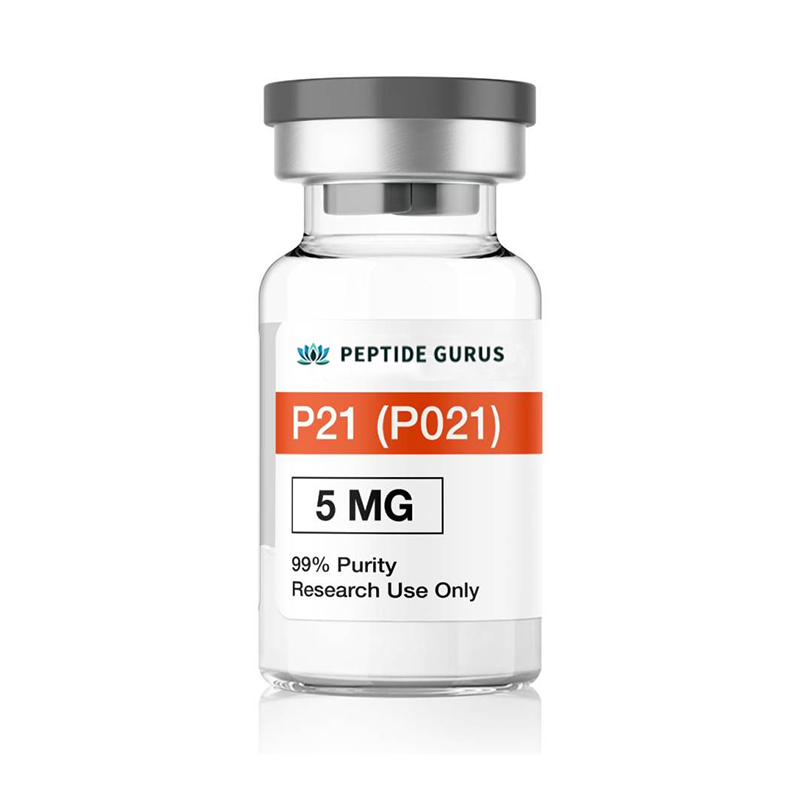
Envíanos un correo electrónico ahora para hacer tu pedido con soporte individual. ¡Stock limitado! Aceptamos Zelle, CashApp, Venmo, transferencias bancarias y criptomonedas.
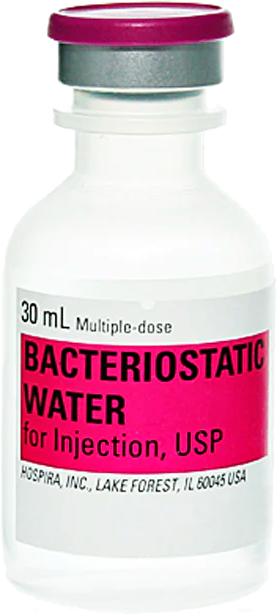
Gratis (1) 30 ml de agua bacteriostática con pedidos calificados sobre $500 USD.
(excludes capsule products, cosmetic peptides, promo codes and shipping)
P21 es un péptido nootrópico dirigido a mejorar la neurogénesis. En estudios con animales, se ha demostrado que P21 aumenta los niveles de BDNF (factor neurotrófico derivado del cerebro), promoviendo así la neurogénesis (crecimiento de los nervios) e inhibiendo la formación de placas amiloides y proteínas Tau que se observan en la enfermedad de Alzheimer. El BDNF se ha relacionado no sólo con una mayor neurogénesis, sino también con la regulación negativa de cierta enzima responsable de la formación de placa tau y amiloide en el cerebro de la persona con Alzheimer. Se ha demostrado que P21 mejora la cognición en modelos animales.
Product Usage: This PRODUCT IS INTENDED AS A RESEARCH CHEMICAL ONLY. Esta designación permite el uso de productos químicos de investigación estrictamente para pruebas in vitro y experimentación de laboratorio únicamente. Toda la información del producto disponible en este sitio web tiene fines educativos únicamente. La introducción corporal de cualquier tipo en personas o animales está estrictamente prohibida por la ley. Este producto sólo debe ser manipulado por profesionales calificados y con licencia. Este producto no es un medicamento, alimento o cosmético y no puede ser mal etiquetado, mal utilizado o etiquetado erróneamente como medicamento, alimento o cosmético.
¿Qué es P21?
P21 is a modified, synthetic mimetic of CNTF. CNTF is a naturally occurring protein mediator of neuron growth in humans. The effects of CNTF have primarily been studied in the nervous system, though there are receptors for the peptide in other locations throughout the body (e.g. bone). It has been shown to promote neurotransmitter synthesis and neurite outgrowth. It also protects neurons and their supporting cells against inflammatory attacks. In addition to its neurotrophic effects, CNTF is known to increase satiety and thus reduce food intake.
CNTF and cerebrolysin are not the same molecule. P21 and cerebrolysin are not the same either. It is discussed below and contrasted with P21.
A recombinant version of CNTF was developed under the brand name Axokine. It was tested as a treatment for amyotrophic lateral sclerosis and is currently not sold. Interestingly, the body is quick to generate antibodies against Axokine, suggesting that there may be a potential for administering P21 and exogenous CNTF together in some settings, thus boosting CNTF levels while keeping antibody activity to a minimum.
P21 is a small peptide derivative of CNTF. Small molecule mimetics can exert some or all of the effects of larger neutrophic molecules without the side effects mentioned above. P21 was developed through a process called epitope mapping, which uses antibodies to identify target binding sites. In the case of P21, antibodies against CNTF receptor active sites were used to first identify the CNTF binding site. They were then used to confirm which small, synthetic peptides mimicked CNTF binding and thus interfered with antibody binding[1]. The result was the production of P21, which not only binds to the CNTF receptor, but also crosses the blood-brain barrier and placental/lactational barriers. P21 is a tetra-peptide derived from the most active region of CNTF (amino acid residues 148–151). Admantylated glycine was added to the C-terminal end to increase blood–brain barrier permeability and decrease degradation by exopeptidases.
Natural CNTF is too large to cross the blood-brain barrier, has poor plasma stability, an unfavorable pharmacologic profile, and actually promotes the development of anti CNTF-antibodies when administered systemically. Direct administration to the cerebrospinal fluid, while an option, is generally avoided due to pain, risk of infection, and other adverse effects. Unlike full CNTF, P21 has better than 95% stability in artificial gastric juice over 30 minutes, long enough for it to pass through the stomach in most cases. It is roughly 100% stable in the intestine over two hours, which is long enough for it to be absorbed. It is stable in blood plasma for more than 3 hours[2].
¿Cómo funciona P21?
P21 has several effects in the central nervous system, but its primary impact is in the dentate gyrus where it acts to enhance neurogenesis and neuron maturation in the granular cell layer and sub-granular zone. The dentate gyrus, which is part of the hippocampal formation in the temporal lobe of the brain, is thought to contribute to the formation of new episodic memories and the spontaneous exploration/learning that occurs in new environments. The dentate gyrus also plays an important role in pre-processing of information and pattern separation. In essence, pattern separation is what allows mammals to differentiate one memory from another. The dentate gyrus is also of great interest to neuroscientists because it is one of a few brain regions known to have significant rates of neurogenesis in adults.
Research in mouse models shows that P21 does not bind to the CNTF receptor, suggesting that even though it is referred to as a mimetic, it should be clear that P21 is not and analogue of CNTF. It appears, rather that P21 acts to inhibit antibodies or other molecules that neutralize CNTF. Thus, though P21 does not directly mimic the effects of P21, it increases the concentration of this most potent of neurogenesis promoters and thus effectively mimics its effects.
Research in mice shows that P21 increases levels of BrdU positive cells in the dentate gyrus. BrdU is a synthetic nucleoside (analogue of thymidine) used to detect proliferating cells in living tissues. In this experiment, it is found concentrated in the dentate gyrus of mice administered P21 but not in the DG of control mice, suggesting that P21 promotes proliferation of cells in this region. To determine if the cells are neurons or not, the expression of NeuN can be measured as it is a marker for mature neurons. It is also significantly increased in mice administered P21 and in the region of BrdU increase, supporting the idea that the increased proliferation is in fact increased neurogenesis[3].
Image A shows BrdU in red and NeuN in green, highlighting the obvious increase in BrdU in P21-treated mice. Image B shows numbers of BrdU positive cells are increased substantially in P21-treated mice.
Source: FEBSPRESS
Otro componente de la actividad de P21 parece surgir a través de su inhibición de la señalización LIF-STAT. LIF, abreviatura de factor inhibidor de la leucemia, es una citocina similar a la interleucina 6 que desempeña un papel importante en la embriogénesis. Es responsable de inhibir la diferenciación y, por tanto, actúa para detener la proliferación celular de forma controlada, un proceso que puede ser importante para mejorar la maduración del tejido incluso si se produce a expensas de una disminución de la proliferación. Al inhibir LIF, P21 elimina uno de los obstáculos a la neurogénesis y, por lo tanto, coloca el cerebro en un estado más embriológico en el que se favorece el crecimiento neuronal.
The role of P21 (and the similar P6) in promoting neurogenesis. Note the inhibiting effect on LIF and the stimulating effects on BDNF.
Source: PubMed
En la enfermedad de Alzheimer (EA), la reacción natural del cerebro al daño, es decir, a la pérdida de neuronas y sinapsis, es aumentar la actividad en la circunvolución dentada. Desafortunadamente, muchos cerebros envejecidos carecen de la capacidad de soportar la neurogénesis y, por tanto, el esfuerzo de sustitución fracasa. P21 aumenta la actividad del giro dentado lo suficiente como para superar esta limitación, ayudando a cambiar el equilibrio de los factores neurotróficos hacia la neurogénesis. Por lo tanto, puede ser que limitar la deposición de amiloide en el cerebro no sea la única forma de abordar los efectos de la EA. Esto puede explicar por qué, aunque el depósito de placa comienza temprano en la EA, no es hasta más adelante en la vida, cuando el equilibrio del factor neurotrófico se aleja de la neurogénesis, que los efectos del depósito se vuelven evidentes. Las investigaciones muestran que el apoyo neurotrófico por parte de P21 conduce a mayores niveles de factor neurotrófico derivado del cerebro y neurotrofina-4, al tiempo que disminuye el efecto mitogénico del factor de crecimiento de fibroblastos 2. Curiosamente, la administración de P21 antes del inicio de la EA en modelos de ratón de la enfermedad previene el deterioro cognitivo que suele producirse. Esto sugiere que P21 podría ser incluso más importante como preventivo que como tratamiento potencial [2], [4].
También es importante señalar que el BDNF se ha relacionado no sólo con una mayor neurogénesis, sino también con la regulación negativa de cierta enzima responsable de la formación de placas tau y amiloide en los cerebros con EA. Específicamente, el BDNF disminuye la actividad de la proteína GSK3-beta, que cataliza tanto la formación de beta amiloide a partir de la proteína precursora de amiloide como la fosforilación de la proteína tau, pasos en el desarrollo de la EA que conducen a inflamación y eventual neurodegeneración[5]. .
TA schematic of P21 (P021) in Alzheimer’s pathology. Note that the increase in BDNF leads to a marked decrease in Tau phosphorylation as well as to a reduction in the development of amyloid plaques. This happens through activation of P13K and thus the down regulation of GSK-3beta. The latter has become a molecule of interest in AD as it is thought to directly affect the accumulation of plaque in the brain.
Source: PubMed
It is worth pointing out that GSK-3beta overproduction has been implicated in a number of disease processes including type 2 diabetes, several different forms of cancer, and bipolar disorder. There is hope that P21 and other GSK-3beta inhibitors may prove useful in the treatment of stroke, cancer, and especially bipolar disorder[6], [7].
In particular, P21 appears to rescue the trend in AD-affected brains toward a decrease in MAP2 expression. MAP2 (microtubule-associated protein 2) is a marker of synaptic growth between neurons. A decrease in levels of this protein is suggestive of decreased synaptogenesis/neurogenesis and is a marker of disease progression in AD. Similarly, P21 is seen to rescue decreases in:
• Synapsin I, a critical protein for synaptic communication between neurons.
• GluR1 (AMPA receptor), a receptor that mediates fast synaptic transmission.
• NR1, a glutamate receptor associated with synaptic plasticity and learning.
Perhaps most interestingly about the effects of P21 on synapsin I, GluR1, and NR1 is that it can boost them to supraphysiologic levels in both diseased and healthy brains. This has led researchers to conclude that P21 may be useful not just for restoring function in diseased brains, but for boosting function in normal brains. It may therefore be useful as a nootropic and performance enhancer for cognitive tasks. Research in this has not yet been undertaken in animal models, let alone human trials. In fact, P21 is so effective in promoting neurogenesis that it actually boosts levels of neurogenesis in diseased brains over those seen in healthy, untreated brains.
As Dr. Khalid Iqbal, professor of neurochemistry at the New York State Institute for Basic Research, points out, P21 administration is likely to be most beneficial in AD and other neurodegenerative disease when administered during the period of synaptic compensation. In other words, the best time to administered P21, at least in the setting of disease, is when it can augment and support the body’s own response to neuron loss. Because P21 has shown tremendous benefit and no serious side effects in animal studies, he suggests that the peptide may be an ideal candidate for use in this setting. Combined with early detection via clinical biomarkers, P21 may offer the first real chance neuroscience has had to slow or even halt the progression of neurodegeneration. As he explains, the problem in AD, at least early on in the course of the condition, is an imbalance between neuron death and neurogenesis. P21 shifts this balance toward neurogenesis and, at least in limited animal studies, improves diseased brains beyond even the neurogenesis seen in health brains. In short, P21 promotes neuroplasticity by overcoming deficits in neurogenesis, a function that is seen not just histologically, but in the clinical measures of cognition, memory, and reasoning.
Source: PubMed
¿Qué hace P21?
En términos más simples, P21 estimula la cognición y protege el sistema nervioso central de daños. Parece hacer esto impulsando la maduración de las neuronas desde células precursoras hasta neuronas completas. También parece impulsar la sinaptogénesis o la interconexión entre neuronas, que es un componente fundamental del aprendizaje y el fortalecimiento de la memoria.
En términos más específicos, la molécula tiene una serie de beneficios sobre el aprendizaje, la memoria y la función cognitiva. En modelos de ratón, por ejemplo, P21 mejora la discriminación de objetos y el razonamiento espacial. Se ha demostrado que aumenta los niveles de factor neurotrófico derivado del cerebro y neurotrofina-4. Se ha demostrado en estudios con animales que aumenta los niveles de sinapsina 1, GluR1 y NR1, todos los cuales son marcadores de neurogénesis y formación de sinapsis. Curiosamente, aumenta los niveles de estas proteínas en las enfermedades, pero los aumenta a niveles suprafisiológicos en la salud, lo que sugiere que la P21 puede ayudar al aprendizaje y la memoria incluso en cerebros sanos.
Ingesta de alimentos
Aunque no se han realizado estudios directos que evalúen el impacto del P21 en la ingesta de alimentos, hay motivos para creer que puede suprimir el apetito. Esto surge como resultado de la estimulación de la síntesis de la hormona estimulante de los melanocitos alfa, que se desencadena por aumentos en los niveles de CNTF. Al aumentar eficazmente los niveles de CNTF mediante la reducción de anticuerpos neutralizantes, P21 activa la vía JAK/STAT y, finalmente, aumenta los niveles de alfa-MSH. Tanto la alfa-MSH como la neurogénesis se asocian con disminuciones en la ingesta de alimentos, por lo que no sería sorprendente que en futuros estudios se descubra que P21 tiene algún efecto sobre la saciedad [8].
¿Tiene el P21 efectos adversos?
En modelos de ratón de la enfermedad de Alzheimer (EA), P21 y su similar P22 no han mostrado ningún efecto secundario aparente. Esto no quiere decir que los compuestos no tengan efectos secundarios en humanos (esto se desconoce actualmente), sino más bien que los efectos adversos en modelos de ratón no son obvios y, por lo tanto, hay buenas razones para tener esperanzas de que P21 tenga efectos secundarios limitados. cuándo y si llega a ensayos clínicos. De hecho, el único efecto secundario observado hasta el momento es que los ratones tratados con P21 tienen niveles de ansiedad más bajos que los animales de control[3]. Sería difícil enumerarlo como un efecto adverso, incluso si no es necesariamente el efecto objetivo.
Muchos compuestos neurogénicos producen fatiga. Aunque esto no se ha demostrado con P21, no sería tan sorprendente si la fatiga leve fuera un efecto secundario en algunos entornos.
¿Qué es la cerebrolisina?
Cerebrolysin and P21 are not the same thing, though they are frequently confused. Whereas P21 is a single molecule with receptor-specific effects, cerebrolysin is actually a peptide mixture with a multitude of effects including neurogenesis. P21 has been shown to be more efficacious than cerebrolysin in animal studies.
¿Cómo funciona la cerebrolisina?
Like P21, cerebrolysin also seems to have important effects in the dentate gyrus. Research in mouse models of Alzheimer’s disease indicate that cerebrolysin improves synaptic plasticity and cognitive performance. It appears to have neuroprotective effects, though the mechanisms underlying these benefits are not entirely clear. It is thought that cerebrolysin may protect neural progenitor cells (NPCs) against things like amyloid plaques and thus increase the rate of neurogenesis simply by ensuring that NPCs survive to differentiate into full-fledged neurons[11].
There is good reason to believe that one of the components of cerebrolysin acts to neutralize antibodies against CNTF, the same molecule that P21 mimics. Though cerebrolysin contains CNTF, it is thought that this antibody-neutralizing component is the more potent contributor to cerebrolysin’s overall function[12]. In fact, researchers have used epitope mapping to isolate the likely component responsible for antibody neutralization. It is an 11-amino-acid long peptide (VGDGGLFEKKL) that can be reduced entirely to DGGL to enhance hippocampus-dependent learning and memory in normal adult mice via neurogenesis. Note that this shorter peptide DGGL is actually a sub-component of P21[3]. It is P21, but without the admantylated glycine moiety. This latter component is not the active component of P21, but rather helps to prevent degradation of the DGGL peptide and boosts its ability to cross the blood-brain barrier. Thus, though cerebrolysin is not P21, it contains the precursor to P21 and can thus be considered a precursor to P21 isolation and development.
Cerebrolysin clarificante verus P21
Cerebrolysin and P21 are no the same compound, though they are sometimes used interchangeably in discussions about nootropics. P21 is also sometimes referred to as a derivative of cerebrolysin, but this is not an entirely accurate explanation of P21 either. P21 is a synthetic analogue of CNTF and CNTF is one component of cerebrolysin. P21 is made up of just four amino acids from CNTF along with an added adamantane moiety. Thus, P21 is best described as a synthetic analogue of one component of cerebrolysin. It has been speculated that that part of P21 may be contained within cerebrolysin as a result of the breakdown of CNTF, but P21 itself is a synthetic molecule that is not found in cerebrolysin.
P21 has been shown to be more efficacious than cerebrolysin in animal studies. In fact, cerebrolysin has been virtually abandoned as a treatment because it causes the production of autoantibodies against CNTF and eventually not only becomes ineffective, but actually makes the situation worse. It is likely that part of the reason that cerebrolysin is antigenic (raises antibodies) is that it is a purified porcine product and thus considered foreign by other species. There is also concern that cerebrolysin, as a purified animal product, may be at risk of contamination.
Cerebrolysin was, at one point in time, the best option available. It is a complicated mixture of several different brain chemicals that is initially and effective treatment (probably because it contains molecules that are similar to P21). Unfortunately, this benefit is outweighed over time by the high levels of foreign CNTF that promote the production of auto-antibodies against native CNTF. In the end, this antigenicity leads to adverse reactions and the need to abandon cerebrolysin treatment. In fact, CNTF auto-antibodies may arise naturally against the molecule and may be part of the reason that neurogenesis slows over time. P21 appears to sequester these auto-antibodies and help to eliminate them, leading to increased efficacy of native CNTF and increased neurogenesis. Thus far, P21 has not been shown to be antigenic in and of itself. Additionally, it has not been shown to lose efficacy over time.
Resumen
P21 es un péptido nootrópico de principal interés por su capacidad para promover la neurogénesis tanto en la salud como en la enfermedad. Actualmente sólo se ha probado en modelos de ratón y rata, donde resulta muy prometedor. El péptido contiene adamantano, un aditivo común en los péptidos neurogénicos, que le ayuda a cruzar la barrera hematoencefálica. En estudios con animales, se ha demostrado que la administración de P21 aumenta los niveles de BDNF, promoviendo así la neurogénesis e inhibiendo la formación de placas y ovillos de desfibrilación que se observan en la EA. El péptido también puede tener efectos sobre la saciedad y el aumento de peso, aunque no se han realizado investigaciones en esta área. P21 y cerebrolisina, aunque a menudo se confunden, no son la misma sustancia.
P21 exhibe efectos secundarios mínimos, baja biodisponibilidad oral y subcutánea excelente en ratones. La dosis por kg en ratones no se ajusta a la de los humanos. P21 a la venta en
Gurús de péptidos se limita únicamente a la investigación educativa y científica, no al consumo humano. Solo compre P21 si es un investigador autorizado.
Autor del artículo
The above literature was researched, edited and organized by Dr. E. Logan, M.D. Dr. E. Logan holds a doctorate degree from Case Western Reserve University School of Medicine and a B.S. in molecular biology.
Autor de revista científica
Khalid Iqbal es profesor y presidente del Departamento de Neuroquímica del Instituto de Investigación Básica sobre Discapacidades del Desarrollo del Estado de Nueva York, Staten Island, Nueva York. Recibió su doctorado. en Bioquímica en 1969 de la Universidad de Edimburgo, Edimburgo, Reino Unido. El Dr. Iqbal fue el primero en describir en 1974 el aislamiento en masa y la composición proteica de los ovillos neurofibrilares/filamentos helicoidales emparejados (PHF) de cerebros con enfermedad de Alzheimer. En 1986, junto con la Dra. Inge Grundke-Iqbal, descubrió que la proteína PHF y la proteína tau asociada a los microtúbulos son la misma y que la tau en PHF está hiperfosforilada. Su búsqueda de un evento patológico anterior a tau los llevó a factores neurotróficos. En 1999 descubrieron que CNTF podría neutralizar la hiperfosforilación de tau mediada por FGF-2 en células neuroprogenitoras del hipocampo de ratas adultas y luego, en 2003, demostraron que la mejora farmacológica de la neurogénesis del giro dentado podría mejorar el rendimiento cognitivo en ratas adultas. Estos estudios pioneros llevaron a los Dres. Iqbal y Grundke-Iqbal hasta el desarrollo de compuestos peptidérgicos CNTF y un nuevo enfoque terapéutico que implicó cambiar el equilibrio de la neurodegeneración a la regeneración del cerebro. Han demostrado que los compuestos peptidérgicos del CNTF pueden rescatar el deterioro cognitivo rescatando la neurogénesis y los déficits de plasticidad neuronal en modelos de roedores con enfermedad de Alzheimer y síndrome de Down familiares y esporádicos.
El Dr. Iqbal ha recibido muchos honores y premios prestigiosos, incluido el Premio Potamkin por la investigación de la enfermedad de Alzheimer de la Academia Estadounidense de Neurología y el Premio Zenith de la Asociación de Alzheimer de EE. UU. Fundó y presidió la Conferencia Internacional bienal sobre la Enfermedad de Alzheimer de 1988 a 2008. En 2007, la Asociación de Alzheimer de EE. UU. estableció el Premio Khalid Iqbal Life Time Achievement Award para la enfermedad de Alzheimer. Disease Research, que se entrega anualmente en la Conferencia Internacional sobre la Enfermedad de Alzheimer (ICAD) a un investigador experimentado de la enfermedad de Alzheimer. El Dr. Iqbal es autor de más de 300 artículos científicos en prestigiosas revistas científicas estadounidenses e internacionales y ha editado siete libros sobre avances en la investigación de la enfermedad de Alzheimer y trastornos neurodegenerativos relacionados. Actualmente forma parte de los consejos editoriales de varias revistas.
Khalid Iqbal, Ph.D. Se le hace referencia como uno de los principales científicos involucrados en la investigación y el desarrollo del P-21. De ninguna manera este médico/científico respalda o defiende la compra, venta o uso de este producto por ningún motivo. No existe afiliación o relación, implícita o de otro tipo, entre
Gurús de péptidos y este doctor. El propósito de la cita del doctor es reconocer, reconocer y acreditar el exhaustivo esfuerzo de investigación y desarrollo realizado por los científicos que estudian este péptido. El Dr. Igbal figura en [5] bajo las citas mencionadas.
ALL ARTICLES AND PRODUCT INFORMATION PROVIDED ON THIS WEBSITE ARE FOR INFORMATIONAL AND EDUCATIONAL PURPOSES ONLY.
Los productos ofrecidos en este sitio web se proporcionan únicamente para estudios in vitro. Los estudios in vitro (del latín: en vidrio) se realizan fuera del cuerpo. Estos productos no son medicamentos ni fármacos y no han sido aprobados por la FDA para prevenir, tratar o curar ninguna afección médica, dolencia o enfermedad. La introducción corporal de cualquier tipo en personas o animales está estrictamente prohibida por la ley.
PeptideGurus es un proveedor líder de péptidos de investigación fabricados en Estados Unidos y ofrece productos de alta calidad a precios competitivos. Con un enfoque en la excelencia y el servicio al cliente, garantizan un proceso de pedido seguro y conveniente con envío global.