




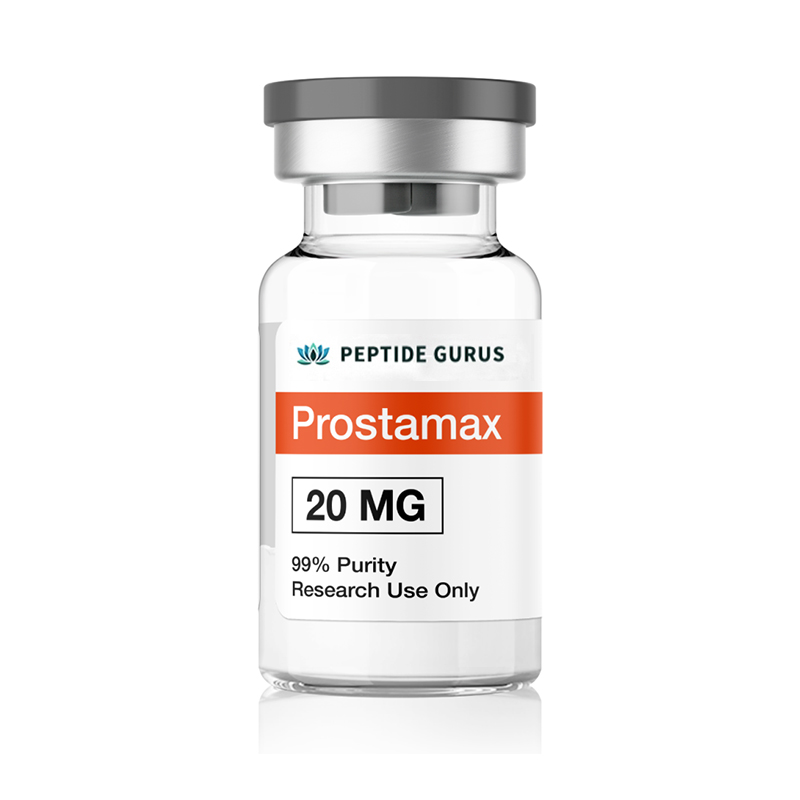
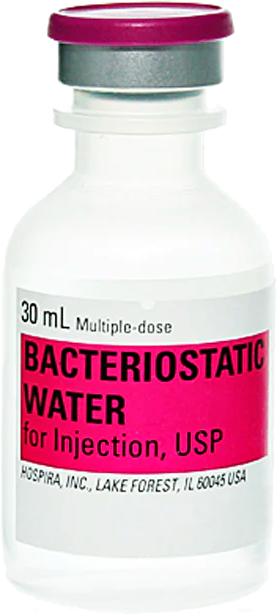
Wolna (1) 30 ml wody bakteriostatycznej
z rozkazami kwalifikowanymi po zakończeniu500 USD.
(z wyłączeniem produktów kapsułkowych, peptydów kosmetycznych, kodów promocyjnych i wysyłki)
Prostamax is a synthetic Khavinson bioregulator peptide with profound effects on DNA condensation in a number of cells. While it is primarily of interest for its anti-aging and anti-inflammatory effects on the prostate, Prostamax has also been shown to optimize function of a number of cells within the body (e.g. lymphocytes) by altering epigenetic controls on DNA.
Wykorzystanie produktu:Ten produkt PRZEZNACZONY JEST WYŁĄCZNIE JAKO SUBSTANCJA CHEMICZNA BADAWCZA.To oznaczenie pozwala na stosowanie chemikaliów badawczych wyłącznie do testów in vitro i eksperymentów laboratoryjnych. Wszystkie informacje o produktach dostępne na tej stronie mają charakter wyłącznie edukacyjny. Wprowadzenie ciała jakiegokolwiek rodzaju do ludzi lub zwierząt jest surowo zabronione przez prawo. Tym produktem powinni zajmować się wyłącznie licencjonowani, wykwalifikowani profesjonaliści. Ten produkt nie jest lekiem, żywnością ani kosmetykiem i nie może być błędnie oznakowany, niewłaściwie używany ani błędnie określany jako lek, żywność czy kosmetyk.
PROSTAMAX 20MG – Research Grade Peptide
Prostamax is a bioregulatory peptide primarily studied in prostate and urogenital system research. It has been widely used in studies related to cellular regulation, tissue differentiation, and age-related functional changes within prostate tissues.
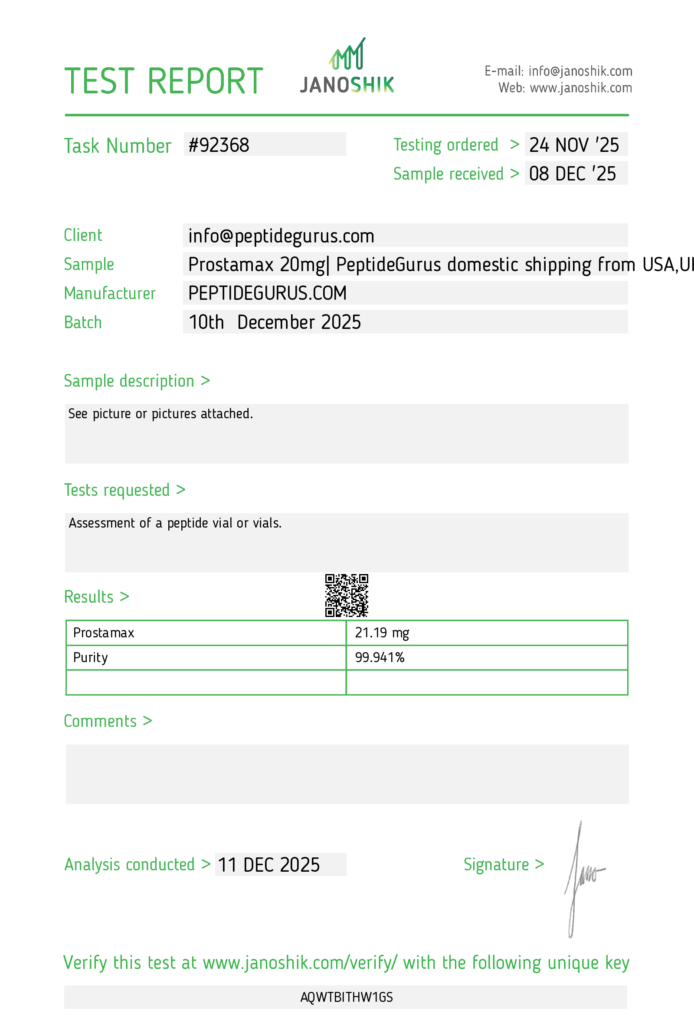
NaszeProstamax 20mgis manufactured under strict quality control standards to ensurehigh purity, structural stability, and consistent batch performance. The lyophilized presentation allows for easy handling, extended shelf life, and reliable storage conditions.
This peptide is suitable for research facilities, pharmaceutical development teams, and peptide distributors specializing in urogenital and endocrine-related research.
Prostamax
Prostamax is a synthetic Khavinson peptide with primary repair effects in the prostate[1]. The peptide has also been shown to improve lymphocyte function and alter DNA expression patterns in other tissues. Prostamax is considered to be one of the broader-spectrum anti-aging Khavinson peptides because it promotes decondensing of heterochromatin in a large variety of cells. Research in rats indicates that Prostamax may be useful in the treatment of chronic prostatitis. There is speculation that long-term use may ward off cancer, though studies of sufficient length to demonstrate this have not yet been performed.
Prostamax Structure
Sekwencja aminokwasów:Lys-Glu-Asp-Pro (KEDP)
Wzór molekularny:C20H33N5Lub9Masa cząsteczkowa:487.5 g/mol
PubChem CID: 9848296
Synonimy:SCHEMBL6660498

Prostamax and the Prostate
Chronic prostate inflammation (called chronic prostatitis) affects as many as 16% of men at some point in their lives. It is a painful condition causing burning with urination, urgency, and trouble voiding. It can even cause difficult or painful ejaculation along with pain in the lower back. It is notoriously difficult to treat, often requiring long-term antibiotic treatment over months. There is also good evidence to suggest that it can lead to cardiovascular disease and even cancer, so treating prostatitis is crucial to long-term health[2].
Research in rat models shows that prostatitis can be treated with Prostamax, which reduces the signs and symptoms of the disease. Rats treated with Prostamax for just 15 days showed reduce swelling of the prostate gland along with less vascular congestion (hyperemia) and less infiltration by cells of the immune system. Interestingly, the rats also showed decreased levels of scarring in the prostate, indicating that the reduction in inflammation was slowing or even stopping pathological remodeling. Though the study was not carried out long enough or on enough rats to assess Prostamax’s effect on the risk for cancer, the results suggest that it would likely diminish the risk by reducing chronic inflammation that leads to pathological hypertrophy and hyperplasia[3].
According to Dr. Angelina Pakhomova, what makes the above study on Prostamax extra exciting is that it was effective in treating a form of prostatitis called chronic abacterial prostatitis (CAP). CAP is the most common form of prostatitis, but it is difficult to treat because it isn’t caused by a bacterial infection. Bacterial infections respond readily to antibiotics. CAP, on the other hand, does not respond as well to antibiotic treatment and sometimes doesn’t respond at all. It is also more likely to recur and has been shown to be exceptionally frustrating to those who suffer from it. Having an alternative treatment that is effective in CAP could improve quality of life for many men and ward off future disease. Finding a treatment for CAP is more important than ever as rates of the condition have increased almost 3-fold since the end of the 20thcentury.
Prostamax and the Immune System
Though Prostamax is considered to be tissue-specific, there is ample evidence that the bioreulator acts on cells outside of the prostate. The most consequential effects are on the ribosomes and densely packed chromatin found in lymphocytes. In these cells, Prostamax, like Epithalon and Vilon, serves to increase expression of ribosomes which are responsible for the translation of mRNA into proteins. It also opens up densely packed chromatin to make genes more accessible for transcription into mRNA. Thus, Prostamax sets the stage for increased gene expression at every level, allowing for a functional change in the health of lymphocytes[4], [5].
The impact of Prostamax on the immune system is not just theoretical either. Research shows that the peptide helps to reduce signs of chronic prostate inflammation including swelling, hyperemia, and lymphocyte infiltration.[3] This results both from the influence Prostamax has on lymphocytes and their control over the immune response as well as the role the peptide plays in normalizing growth and differentiation of prostate cells.
Prostamax and Aging
The effects that Prostamax has on lymphocytes and cells of the prostate are part of a larger effect it has one many different types of cells. Research in cell cultures taken from older individuals shows that Prostamax alters DNA structure by decondensing heterochromatin. This, in turn, allows for greater expression of DNA that was inactivated via dense packaging of DNA[6].
What makes this remarkable in terms of aging is that condensation of DNA is a normal, if undesirable, consequence of aging. DNA condensation is a primary driver of both senescence and apoptosis, making it one of the most important mechanisms of aging. By unpacking DNA, Prostamax is literally giving the cells a more youthful genetic profile. The results are increased proliferation of cells, decreased apoptosis (programmed cell death), and improved protein expression and cell function.
Interestingly, Prostamax and similar epigenetically active peptides are found naturally in long-lived rodent species like the African mole rat. These same peptides arenotfound in short-lived species[7]. This indicates that the epigenetic effects that have been observed with peptides like Prostamax are, in fact, directly related to aging and longevity.
Prostamax Summary
Prostamax is a synthetic Khavinson peptide with profound effects on DNA condensation in a number of cells. While it is primarily of interest for its anti-aging and anti-inflammatory effects on the prostate, Prostamax has also been shown to optimize function of a number of cells within the body (e.g. lymphocytes) by altering epigenetic controls on DNA.
Autor artykułu
Powyższa literatura została zbadana, zredagowana i zorganizowana przez dr E. Logana, M.D. Dr E. Logan posiada tytuł doktoraWydział Medyczny Case Western Reserve Universityoraz licencjat z biologii molekularnej.
Autor czasopisma naukowego

Prof. Vladimir Khavinson is being referenced as one of the leading scientists involved in the research and development of Prostamax. In no way is this doctor/scientist endorsing or advocating the purchase, sale, or use of this product for any reason. There is no affiliation or relationship, implied or otherwise, between
Cytowania
- A. N. Zakutskiĭ, N. I. Chalisova, G. A. Ryzhak, A. I. Aniskina, S. V. Filippov, and P. N. Zeziulin, “[The tissue-specific effect of synthetic peptides-biologic regulators in organotypic tissues culture in young and old rats],”Adv. Gerontol. Uspekhi Gerontol., vol. 19, pp. 93–96, 2006.
- “Treating chronic prostatitis,”Harvard Health, Dec. 21, 2017. https://www.health.harvard.edu/mens-health/treating-chronic-prostatitis (accessed Feb. 22, 2022).
- T. G. Borovskayai inni., “Experimental studying of the drug efficiency Prostamax in the therapy of chronic aseptic prostatitis and its complications,”Mod. Res. Inflamm., vol. 2013, Jul. 2013, doi: 10.4236/mri.2013.23007.
- V. K. Khavinson, T. A. Lezhava, and V. V. Malinin, “Effects of short peptides on lymphocyte chromatin in senile subjects,”Bzdura. Exp. Biol. Med., vol. 137, no. 1, pp. 78–81, Jan. 2004, doi: 10.1023/b:bebm.0000024393.40560.05.
- T. Meskhii inni., “[The influence of the peptide bioregulator prostamax on heterochromatin of human lymphocytes in situ],”Biofizika, vol. 49, no. 6, pp. 1091–1093, Dec. 2004.
- T. A. Dzhokhadze, T. Z. Buadze, M. N. Gaĭozishvili, N. A. Baratashvili, and T. A. Lezhava, “[Deheterochromatinization of the chromatin in old age induced by oligopeptide bioregulator (Lys-Glu-Asp-Pro)],”Georgian Med. News, no. 212, pp. 76–82, Nov. 2012.
- V. K. Khavinson, D. Y. Kormilets, and A. T. Mar’yanovich, “Peptides (Epigenetic Regulators) in the Structure of Rodents with a Long and Short Lifespan,”Bzdura. Exp. Biol. Med., vol. 163, no. 5, pp. 671–676, Sep. 2017, doi: 10.1007/s10517-017-3876-x.
ALL ARTICLES AND PRODUCT INFORMATION PROVIDED ON THIS WEBSITE ARE FOR INFORMATIONAL AND EDUCATIONAL PURPOSES ONLY.
Produkty oferowane na tej stronie są przeznaczone wyłącznie do badań in vitro. Badania in vitro (łac. w szkle) przeprowadza się poza ciałem. Te produkty nie są lekami ani lekami i nie zostały zatwierdzone przez FDA do zapobiegania, leczenia lub leczenia jakichkolwiek schorzeń, dolegliwości czy chorób. Wprowadzenie ciała jakiegokolwiek rodzaju do ludzi lub zwierząt jest surowo zabronione przez prawo.


