• Vilon peptide and cardiovascular health research
Một tệ hại
X
Một tệ hại
Liên hệ để đặt hàng
Gửi email cho chúng tôi ngay bây giờ để đặt hàng với hỗ trợ 1-1. Số lượng có hạn! Chúng tôi chấp nhận Zelle, CashApp, Venmo, chuyển khoản ngân hàng và tiền điện tử.
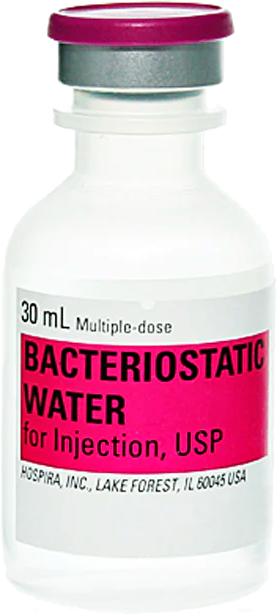
Nước vi khuẩn

MIỄN PHÍ (1) 30 ml nước vi khuẩn
với các đơn đặt hàng đủ điều kiện$ 500 USD. (Không bao gồm các sản phẩm viên nang, peptide mỹ phẩm, mã khuyến mãi và vận chuyển)

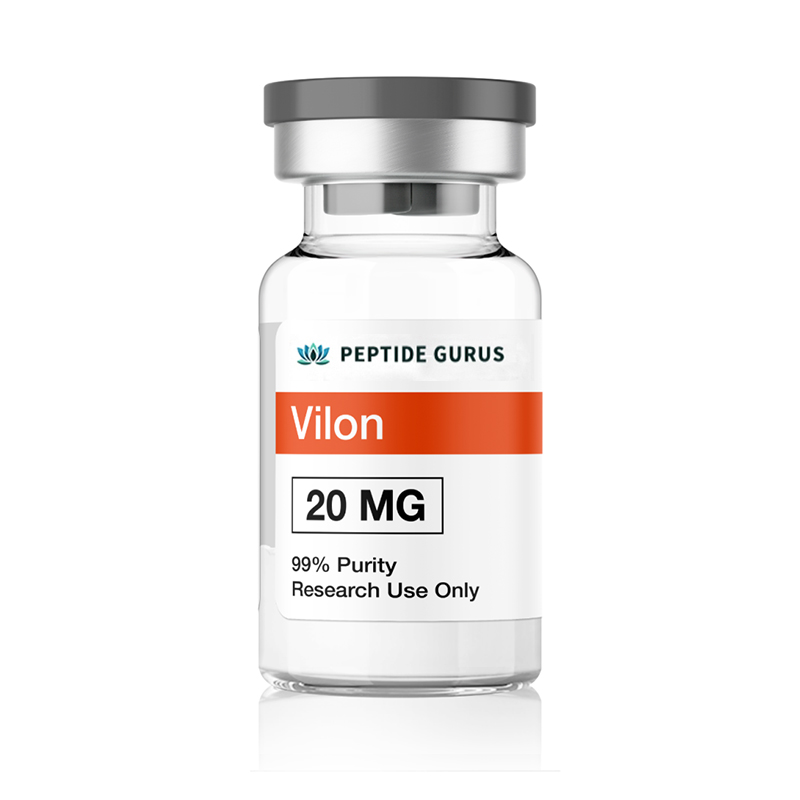
Vilon là một chất điều hòa miễn dịch mạnh và peptide sinh học chống lão hóa với nghiên cứu rộng rãi để ủng hộ lợi ích của nó. Ngoài ra còn có mức độ cao của bằng chứng cho thấy Vilon có thể giúp ngăn ngừa/giảm nguy cơ phát triển và tiến triển ung thư. Thật thú vị, nghiên cứu đã chỉ ra rằng Vilon dường như cung cấp các hiệu ứng chống lão hóa tốt hơn khi được sử dụng sớm trong cuộc sống và với liều lượng thấp, nhất quán. Những phát hiện này có thể giúp mở ra cánh cửa để nghiên cứu chống lão hóa tốt hơn và giúp các nhà khoa học hiểu rõ hơn về cách điều hòa biểu sinh đóng vai trò quan trọng trong tuổi thọ.
Sử dụng sản phẩm:Sản phẩm này chỉ nhằm mục đích hóa chất nghiên cứu.Chỉ định này cho phép sử dụng các hóa chất nghiên cứu hoàn toàn cho thử nghiệm in vitro và thử nghiệm trong phòng thí nghiệm. Tất cả thông tin sản phẩm có sẵn trên trang web này chỉ dành cho mục đích giáo dục. Việc giới thiệu cơ thể của bất kỳ loại nào vào người hoặc động vật đều bị cấm theo luật pháp. Sản phẩm này chỉ nên được xử lý bởi các chuyên gia được cấp phép, có trình độ. Sản phẩm này không phải là một loại thuốc, thực phẩm, hoặc mỹ phẩm và có thể không bị sai lệch, sử dụng sai hoặc sai là thuốc, thực phẩm hoặc mỹ phẩm.

Một tệ hại

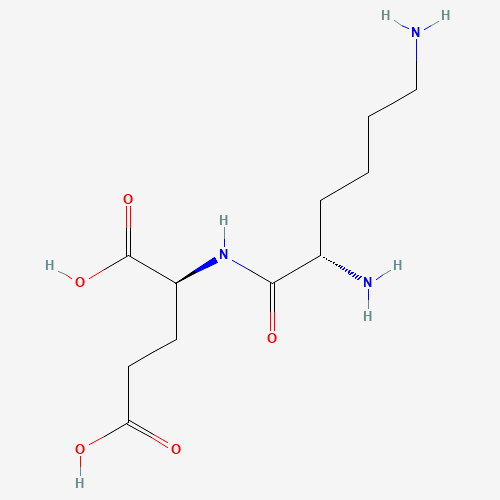
Chỉ có hai axit amin chiều dài, Vilon là peptide ngắn nhất được biết là có hoạt động sinh học. Nghiên cứu cho thấy Vilon có tác dụng chống lão hóa mạnh mẽ và nó là một chất điều chỉnh mạnh mẽ của chức năng miễn dịch. Ngoài ra còn có bằng chứng tốt cho thấy Vilon giúp điều chỉnh hệ thống mạch máu và thúc đẩy cầm máu. Vilon đã được chứng minh là làm giảm tỷ lệ mắc và tăng trưởng của các khối u tự phát, mặc dù vai trò của nó như là một chất bổ trợ trong điều trị ung thư (trái ngược với phòng ngừa) đã được đặt câu hỏi. Nhìn chung, Vilon có một số người ủng hộ trung thành, chẳng hạn như Tiến sĩ Vladimir Anisimov, người cảm thấy rằng peptide là một tác nhân bảo vệ hữu ích.
Phân tử

Vilon và hệ thống miễn dịch

Research out of Russia indicates that Vilon is a potent regulator of chromatin structure. One study found that Vilon: • induces unrolling of chromatin, • activates synthetic processes via reactivation of ribosomal genes in the unrolled chromatin, • releases repressed genes, and • does not cause decondensation of pericentromeric structural chromatin[1].nduces unrolling of chromatin, The net result of the changes that Vilon causes to DNA is reactivation of genes that are otherwise silenced. In general, chromatin is found in either the wound (heterochromatin) or unwound (euchromatin) states. Heterochromatin cannot be accessed by the apparatus that turns genes into proteins and thus functional components of the cell. Genes in these regions of DNA are simply unavailable for protein production. In general, chromatin helps to regulate which genes are available for transcription and is thus one way that different-cells can have different functions or that the same cells can have different functions over time. Unfortunately, chromatin condensation is also something that occurs as a result of aging and senescence and is at least one reason why our cells and tissues lose function as we get older. Similar to its activity in lymphocytes, Vilon has been shown to activate interluekin-2 signaling in cells of the spleen[3]. Interleukin-2 is important in coordinating the immune response to microbial infection and helps to prevent autoimmune reactions. By activating lymphocytes and splenocytes while boosting natural protection against autoimmune reactions, Vilon restores the immune system to a more active state and may even be useful in developing treatments for autoimmune diseases. Adding to its ability to prevent autoimmune reactions is the role of Vilon in the thymus. Research in thymus cultures shows that Vilon increases the proliferation of CD5 T-cells. CD5 is a marker of mature T-helper cells as well as cytotoxic CD8 T-cells. The former helps to regulate the immune system and prevent autoimmune reactions, while the latter is one of the most potent anti-microbial cells in the body[4]. Interestingly, Vilon appears to only reactivate immune functions via genes that have been silenced by changes in chromatin. It does not appear to activate genes that would naturally be silent in the cells it affects. In other words, Vilon does not turn lymphocytes into neurons by activating genes that would normally not be active in healthy lymphocytes. Instead, the peptide appears to boost activity in the immune system while simultaneously helping to prevent autoimmune reactions.

Vilon và ung thư

As pointed out above, Vilon helps to reduce the incidence of cancer in mouse models, which is at least one way in which it prolongs average lifespan. Additional research shows that Vilon not only prevents tumors from forming, but inhibits their growth after they are present[5]. This suggests that Vilon may be both an effective chemotherapeutic in its own right, as well as a potential additive to existing cancer treatments. In the future, Vilon may be a standard addition to everything from chemotherapy to radiation treatment and surgery. At least one study, out of Russia, contradicts the claim that Vilon may be a useful adjuvant to chemotherapy. The works shows that the combination of Vilon and platinum-based chemotherapeutic agents is problematic rather than synergistic[6]. Unfortunately, this study used only one specific type of chemotherapy and was limited in scope, so the results cannot be generalized. It remains to be seen if Vilon is only effective against cancer on its own or if the peptide can be added to other treatment regimens to boost results.

Vilon và lão hóa

Research in mice shows that subcutaneous administration of Vilon increases physical activity and endurance while helping to reduce the risk of cancer. These two effects resulted in longer lifespan in the treated mice, suggesting that Vilon may be a legitimate anti-aging peptide[7]. This is especially encouraging given that it produced no adverse effects in the mice following long-term administration. Interestingly, the research shows that the earlier Vilon is administered, the greater its effects seem to be. In other words, giving Vilon to young mice enhances lifespan more than if Vilon is not administered until the mice are much older. This same effect was seen in early studies looking at crude thymic and pineal extracts given to mice to slow down aging[8]. The speculation is that Vilon and similar peptides, when administered late in life, can reverse senescence in existing cells but can obviously do nothing for cells that have already been eliminated through apoptosis. By administering Vilon 20mg early in life, cells get the greatest amount of protection and so turnover is slowed down. The result is that more cells stay healthy for longer periods of time, slowing the need to replace them and preserving limited stem cell lines. Vilon’s anti-aging effects seem to extend to GI function as well, where the peptide has been shown to improve the activity of certain enzymes in the Gi tracts of older mice. The peptide also appears to improve barrier function, thus reducing the incidence of leaky gut, enhancing disease resistance, and improving the overall health of the GI tract in older mice[9]. Research shows that Vilon thereby helps to improve glucose and glycine absorption in the small intestine of older rats[10]. These features of Vilon may help to maintain nutrient extraction with age, thereby improving overall well-being and perhaps enhancing longevity. Dr. Vladimir N. Anisimov, who has been researching aging and cancer development since the 1970s, points out that the thymus is one of two glands (the other being the pineal gland) that plays an important role in regulating aging. The healthier the thymus is, the healthier we are as individuals. Of course, Vilon is a thymic peptide and affects cells, like lymphocytes, that are produced in and mature in the thymus. Dr. Anisimov is a staunch advocate for using peptide bioregulators in the prevention of cancer[11]. He is a close colleague of Dr. Vladimir Khavinson.

Vilon trong trái tim và thận

The effect of Vilon on the vasculature has been less well studied, but there is some work to suggest that it may have a beneficial effect. Research in mice shows that Vilon changes the expression of more than 36 different genes within the heart. When combined with Epithalon, this number jumps to 144 genes[12]. These findings suggest that, at the very least, Vilon has the ability to alter gene expression patterns in the cardiovascular system, a fact that may improve hemodynamic function. In fact, research in kidneys, highly vascular organs, shows that Vilon decreases concentrations of transforming growth factor-beta(1) and thus the permeability of microvessels. The net result is improved hemostasis during kidney failure, suggesting that Vilon does, in fact, have a beneficial effect on the vascular system[13]. Furthermore, research in elderly patients with diabetes shows that Vilon can help to optimize coagulation by increasing levels of the natural anticoagulants antithrombin III and protein C while also stimulating fibrinolysis[14]. The result is fewer blood clots in a population prone to clotting and the serious consequences that follow. This further supports the idea that Vilon plays an important role in regulating the vascular system.

Tóm tắt Vilon

Vilon is a potent immunomodulator and anti-aging peptide with ample research to back its benefit. There are also high levels of evidence that Vilon reduces the risk of cancer development and progression. Interestingly, Vilon appears to provide better anti-aging and anti-cancer effects when administered early in life and at chronic, low doses. These features may help open the door to better anti-aging research and help scientists to better understand how epigenetic regulation plays an important role in longevity. Vilon exhibits minimal side effects, low oral and excellent subcutaneous bioavailability in mice. Per kg dosage in mice does not scale to humans. Vilon for sale at
Gurus peptidechỉ giới hạn trong nghiên cứu giáo dục và khoa học, không phải cho tiêu dùng của con người. Chỉ mua Vilon nếu bạn là một nhà nghiên cứu được cấp phép.

Tác giả bài báo

Các tài liệu trên đã được nghiên cứu, chỉnh sửa và tổ chức bởi Tiến sĩ E. Logan, M.D. Tiến sĩ E. Logan có bằng tiến sĩ từTrường hợp Đại học Y khoa Đại học Dự trữ phương Tâyvà một B.S. Trong sinh học phân tử.

Tạp chí khoa học tác giả

Vladimir Khavinsonlà một giáo sư, chủ tịch khu vực châu Âu của Hiệp hội Lão khoa và Lão khoa quốc tế; Thành viên củaHọc viện Khoa học Y khoa Nga và Ukraine; Bác sĩ lão khoa chính của Ủy ban Y tế của Chính phủ Ofsaint Petersburg, Nga; Giám đốc của Viện Saint Petersburg về Bioregulation và Lão khoa; Phó chủ tịch của Hiệp hội Lão khoa củaViện Hàn lâm Khoa học Nga; Người đứng đầu Chủ tịch Lão khoa và Lão khoa của Đại học Y khoa Bang Thenorth-Western, St-Petersburg; Đại tá Dịch vụ Y tế (Liên Xô, Nga), đã nghỉ hưu.Vladimir Khavinson được biết đến với các nghiên cứu khám phá, thử nghiệm và lâm sàng về các lớp mới củaPeptideCác nhà sinh học cũng như cho sự phát triển của liệu pháp peptide sinh học. Ông đang tham gia vào việc nghiên cứu vai trò của các peptide trong việc điều chỉnh các cơ chế lão hóa. Lĩnh vực hành động chính của anh là thiết kế, nghiên cứu tiền lâm sàng và lâm sàng về peptide mớiGeroprotector. A 40-year-long investigation resulted in a multitude of methods of application of peptide bioregulators to slow down the process of ageing and increase human life span. Six peptide-based pharmaceuticals and 64 peptide food supplements have been introduced into clinical practice by V. Khavinson. He is an author of 196 patents (Russian and international) as well as of 775 scientific publications.His major achievements are presented in two books: “Peptides and Ageing” (NEL, 2002)and “Gerontological aspects of genome peptide regulation” (Karger AG, 2005).Vladimir Khavinson introduced scientific specialty “Gerontology and Geriatrics” in the Russian Federation on the governmental level. Academic Council headed by V. Khavinson has oversighted over 200 Ph.D. and Doctorate theses from many different countries. Prof. Vladimir Khavinson is being referenced as one of the leading scientists involved in the research and development of Livagen. In no way is this doctor/scientist endorsing or advocating the purchase, sale, or use of this product for any reason. There is no affiliation or relationship, implied or otherwise, between
Gurus peptideVà bác sĩ này. Mục đích của việc trích dẫn bác sĩ là thừa nhận, công nhận và ghi nhận các nỗ lực nghiên cứu và phát triển toàn diện được thực hiện bởi các nhà khoa học nghiên cứu peptide này. Giáo sư Vladimir Khavinson được liệt kê trong [1] [3] [4] [5] [7] [8] [9] [10] [11] và [12] theo các trích dẫn được tham chiếu.

Trích dẫn được tham chiếu

    [1] T. Lezhavaet al., “Bioregulator Vilon-induced reactivation of chromatin in cultured lymphocytes from old people,”Biogerontology, vol. 5, no. 2, pp. 73–79, 2004, doi: 10.1023/B:BGEN.0000025070.90330.7f. [2] T. Lezhava, J. Monaselidze, T. Kadotani, N. Dvalishvili, and T. Buadze, “Anti-aging peptide bioregulators induce reactivation of chromatin,”Georgian Med. News, no. 133, pp. 111–115, Apr. 2006. [3] T. B. Kazakovaet al., “In vitro effect of short peptides on expression of interleukin-2 gene in splenocytes,”Bull. Exp. Biol. Med., vol. 133, no. 6, pp. 614–616, Jun. 2002, doi: 10.1023/a:1020210615148. [4] N. N. Sevostianovaet al., “Immunomodulating effects of Vilon and its analogue in the culture of human and animal thymus cells,”Bull. Exp. Biol. Med., vol. 154, no. 4, pp. 562–565, Feb. 2013, doi: 10.1007/s10517-013-2000-0. [5] V. K. Khavinson and V. N. Anisimov, “A synthetic dipeptide vilon (L-Lys-L-Glu) inhibits growth of spontaneous tumors and increases life span of mice,”Dokl. Biol. Sci. Proc. Acad. Sci. USSR Biol. Sci. Sect., vol. 372, pp. 261–263, Jun. 2000. [6] O. P. Barykina, V. V. Iuzhakov, N. I. Chalisova, I. M. Kvetnoĭ, and S. S. Konovalov, “[Combined effect of vilon and cyclophosphane on tumor transplants and lymphoid tissue explants in mice and rats of various age],”Adv. Gerontol. Uspekhi Gerontol., vol. 12, pp. 128–131, 2003. [7] V. K. Khavinsonet al., “Effect of vilon on biological age and lifespan in mice,”Bull. Exp. Biol. Med., vol. 130, no. 7, pp. 687–690, Jul. 2000, doi: 10.1007/BF02682106. [8] V. N. Anisimov, A. S. Loktionov, V. K. Khavinson, and V. G. Morozov, “Effect of low-molecular-weight factors of thymus and pineal gland on life span and spontaneous tumour development in female mice of different age,”Mech. Ageing Dev., vol. 49, no. 3, pp. 245–257, Sep. 1989, doi: 10.1016/0047-6374(89)90075-4. [9] V. K. Khavinson, N. M. Timofeeva, V. V. Malinin, L. A. Gordova, and A. A. Nikitina, “Effect of vilon and epithalon on activity of enzymes in epithelial and subepithelial layers in small intestine of old rats,”Bull. Exp. Biol. Med., vol. 134, no. 6, Art. no. 6, Dec. 2002. [10 ]V. K. Khavinson, V. V. Egorova, N. M. Timofeeva, V. V. Malinin, L. A. Gordova, and L. V. Gromova, “Effect of Vilon and Epithalon on glucose and glycine absorption in various regions of small intestine in aged rats,”Bull. Exp. Biol. Med., vol. 133, no. 5, pp. 494–496, May 2002, doi: 10.1023/a:1019878224754. [11] V. N. Anisimov and V. K. Khavinson, “[The use of peptide bioregulators for cancer prevention: results of 35 years of research experience and perspectives],”Vopr. Onkol., vol. 55, no. 3, pp. 291–304, 2009. [12] S. V. Anisimov, K. R. Bokheler, V. K. Khavinson, and V. N. Anisimov, “Studies of the effects of Vilon and Epithalon on gene expression in mouse heart using DNA-microarray technology,”Bull. Exp. Biol. Med., vol. 133, no. 3, pp. 293–299, Mar. 2002, doi: 10.1023/a:1015859322630. [13] N. A. Gavrisheva, V. V. Malinin, T. P. Ses, K. L. Kozlov, A. V. Panchenko, and A. Y. Titkov, “Effect of peptide Vilon on the content of transforming growth factor-beta and permeability of microvessels during experimental chronic renal failure,”Bull. Exp. Biol. Med., vol. 139, no. 1, pp. 24–26, Jan. 2005, doi: 10.1007/s10517-005-0202-9. [14] B. I. Kuznik, N. V. Isakova, N. N. Kliuchereva, N. V. Maleeva, and I. S. Pinelis, “[Effect of vilon on the immunity status and coagulation hemostasis in patients of different age with diabetes mellitus],”Adv. Gerontol. Uspekhi Gerontol., vol. 20, no. 2, pp. 106–115, 2007.
Tất cả các bài viết và thông tin sản phẩm được cung cấp trên trang web này chỉ dành cho mục đích thông tin và giáo dục.Các sản phẩm được cung cấp trên trang web này chỉ được cung cấp cho các nghiên cứu trong ống nghiệm. Các nghiên cứu trong ống nghiệm (Latin: trong thủy tinh) được thực hiện bên ngoài cơ thể. Những sản phẩm này không phải là thuốc hoặc thuốc và chưa được FDA chấp thuận để ngăn ngừa, điều trị hoặc chữa khỏi mọi tình trạng y tế, bệnh tật hoặc bệnh tật. Việc giới thiệu cơ thể của bất kỳ loại nào vào người hoặc động vật đều bị cấm theo luật pháp.

Yêu cầu Hỏi

Về chúng tôi

Peptidegurus là nhà cung cấp hàng đầu các peptide nghiên cứu do Mỹ sản xuất, cung cấp các sản phẩm chất lượng hàng đầu với giá cả cạnh tranh. Tập trung vào sự xuất sắc và dịch vụ khách hàng, họ đảm bảo một quy trình đặt hàng an toàn và thuận tiện với vận chuyển toàn cầu.

Yêu cầu báo giá

  • Gurus peptide
  • info@peptidegurus.com
  • Glendale, đó là, Hoa Kỳ
  • LIÊN HỆ

    Yêu cầu Hỏi