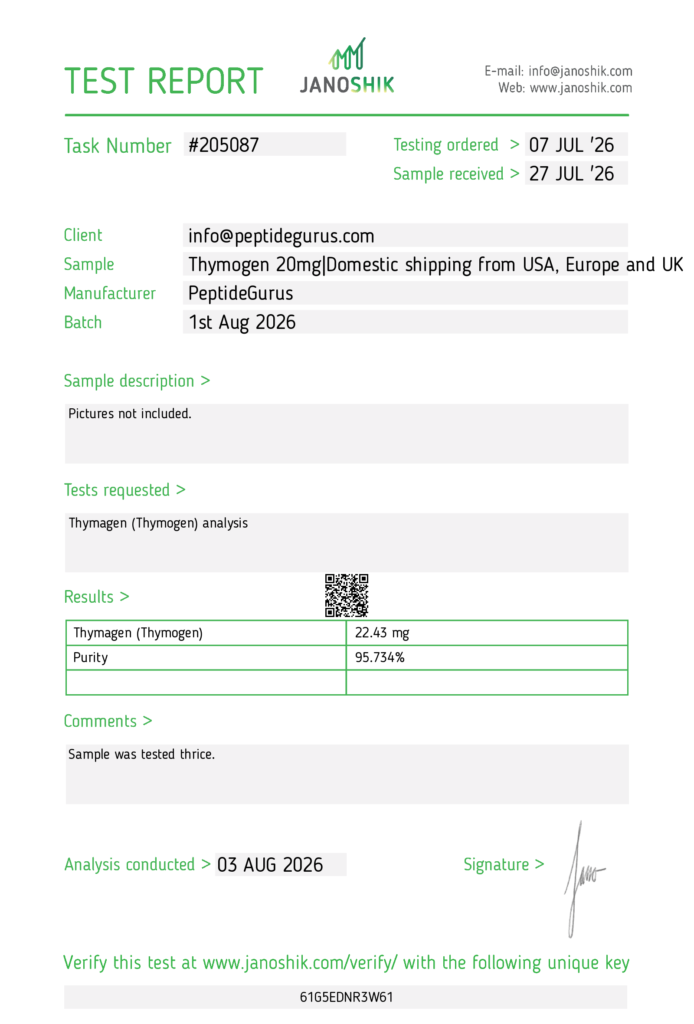
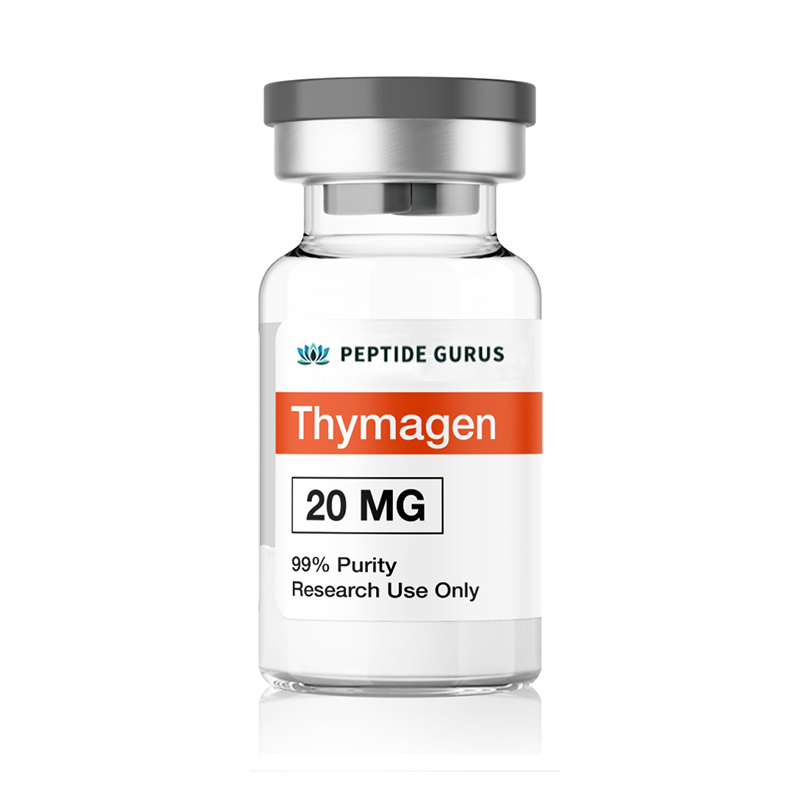
Schreiben Sie uns jetzt eine E-Mail, um Ihre Bestellung mit dem 1-zu-1-Support aufzugeben. Begrenzter Bestand! Wir akzeptieren Zelle, CashApp, Venmo, Banküberweisungen und Krypto.
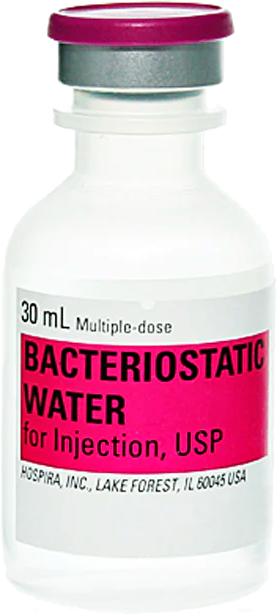
Freie (1) 30 ml bakteriostatisches Wasser mit qualifizierten Bestellungen über $500 USD.
(excludes capsule products, cosmetic peptides, promo codes and shipping)
Thymagen (Thymogen) ist ein hochaktives Bioregulatorpeptid mit primären Wirkungen auf Zellen des Immunsystems. Es wurde gezeigt, dass es die Produktion und Differenzierung von T -Zellen erhöht, die Sekretion von Interferonen stimuliert, die Spiegel von cyclischen Nukleotiden stärkt und die Funktionalität des angeborenen Immunsystems fördert. Infolge seiner Auswirkungen auf das angeborene Immunsystem wurde auch nachgewiesen, dass Thymagen Krebs vorbeugt und die Schwere der Krankheit verringert. Untersuchungen haben gezeigt, dass Thymagen als perioperative vorbeugende Maßnahmen gegen Infektionen nützlich ist. Es wurde gezeigt, dass die Erholungsrate nach der Operation erhöht wird und auch potenziell kardioprotektiv ist.
Product Usage: This PRODUCT IS INTENDED AS A RESEARCH CHEMICAL ONLY. Diese Bezeichnung ermöglicht die Verwendung von Forschungschemikalien ausschließlich für In -vitro -Tests und Laborversuche. Alle auf dieser Website verfügbaren Produktinformationen dienen nur zu Bildungszwecken. Die körperliche Einführung jeglicher Art in Menschen oder Tiere ist gesetzlich streng verboten. Dieses Produkt sollte nur von lizenzierten, qualifizierten Fachleuten behandelt werden. Dieses Produkt ist keine Droge, Nahrung oder Kosmetik und darf als Medikament, Nahrung oder Kosmetik nicht missbraucht, missbraucht oder missbräuchlich werden.
THYMAGEN 25MG – Research Grade Peptide
Thymagen is a peptide researched for its role in immune system and thymus-related cellular studies. It has been widely used in immunology research, aging-related studies, and investigations involving immune regulation at the cellular level.
Unser Thymagen 25mg is manufactured to research-grade standards, ensuring high purity, strong stability, and consistent quality. The lyophilized form protects the peptide structure and allows for extended storage without degradation.
This product is well-suited for laboratories, biotech companies, and distributors focusing on immune system and longevity-related peptide research.
Thymagen (Thymogen)
Thymagen (Thymogen) is a dipeptide bioregulator with primary effects on the thymus and immune system. Originally isolated from calf thymus, Thymagen is now produced via recombinant DNA techniques. In Russia, Thymagen has been studied for its ability to treat cancer by regulating the body’s innate immune response. It has also shown promise in heart disease, diabetes, and as a post-operative treatment for improving surgical outcomes. Research shows that it can stimulate the immune response to a number of viruses and a variety of bacterial infections. It has shown success in the treatment of Hepatitis B and C.
Cyclic nucleotides are single-phosphate nucleotides with a cyclic bond arrangement between the sugar and phosphate groups. They are integral components of communication within cells, usually acting as second messengers within the cell after a protein on the cell surface has bound to something. In other words, cyclic nucleotides act as messengers within cells for substances that cannot enter the cells themselves.
Research on Thymagen shows that it down regulates cyclic nucleotide catabolism. In other words, Thymagen slows the breakdown of cyclic nucleotides and thereby raises their levels within the cell[1]. This results in enhanced ability of cells, particularly those of the immune system, to respond to messages from other parts of the body. For example, increased levels of cyclic nucleotides could make cells of the immune system more responsive to invading pathogens by improving signaling between these cells.
Summary of nucleoside signaling (nucleotides indicated as NTPs being converted to NMPs). Thymagen has been shown to increase the pool of NTPs and potentiate down-stream effects:
Source: PubChem
The effects of Thymagen on the immune system begin, but don’t end at cyclic nucleotides though. Research in rat spleen and thymus has shown that Thymagen promotes the maturation of T-lymphoctye precursors into immunocompetent T-cells capable of fending off disease. This process of maturation is driven by the changes that Thymagen induces in cyclic GMP (cGMP) levels[2]. By optimizing cyclic nucleotide ratios, Thymagen helps to ensure that T-lymphocyte precursors are getting the signals that tell them they need to mature into full-flow cells of the immune system.
Thymagen, along with other immunomodulatory molecules like Immunitor and Milife, has also been shown to induce interferon secretion[3]. Interferons are signaling proteins made by host cells in response to viral infection. They serve to modulate and coordinate immune defenses against viruses, but have also been shown to ward off cancer and are generally known as immune regulators. Interferons are used currently in the treatment of autoimmune diseases, such as multiple sclerosis, and in combination with chemotherapy and radiation in the treatment of certain cancers. They are also used in the treatment of both hepatitis B and C.
Thymagen und Entzündung
Entzündung ist ein Prozess, der hauptsächlich vom Immunsystem gesteuert wird. Es liegt daher auf die Ansicht, dass eine Substanz, die das Immunsystem beeinflussen kann, auch einen Einfluss auf die Entzündung haben kann. Dies stellt sich heraus, dass es sich um ein solides Denken, wo Thymagen betroffen ist. Untersuchungen zeigen, dass Thymagen dazu beiträgt, die Lymphozytenzahlen zu normalisieren und die funktionelle T-Zell-Aktivität zu erhöhen. Dies führt zu einem desensibilisierenden Effekts, der die Entzündung durch Reduzierung der proinflammatorischen Zytokinspiegel herunterreguliert.
Thymagen und Infektion
Speaking specifically of the ability of Thymagen to affect the immune response to invading pathogens was a study carried out in guinea pigs infected with YersiniaEnterokolithikum (a bacteria related to the bacteria that causes the Plague). The guinea pigs treated with Thymagen in this study showed increased nonspecific resistance to the bacteria as well as an increased specific humoral (antibody) response. Thymagen appeared to help regulate the immune response by focusing it on natural killer cell immunity and by helping to prevent autoimmune reactions. The overall result was to decrease the dissemination of Y. enterocoliticia und letztendlich seine Beseitigung aus dem Körper zu unterstützen [4].
Thymagen und Diabetes
Research shows that patients with type 1 diabetes are suffering from secondary immunodeficiency in many cases. Thymagen, by promoting T-Cell differentiation, removes signs of this immunodeficiency and helps to correct the deficit. In fact, a clinical effect was seen in nearly 95% of patients in the study[5].
Diabetes actually leads to immunocompromise if left untreated. One of the primary results of this is infection with candida (yeast) species. These types of infection are notoriously difficult to treat and can lead to serious morbidity in people with diabetes. Research with Thymagen indicates that it can slow candidiasis in the setting of secondary immunodeficiency and give existing treatments and edge in eradicating the fungus[6].
Thymagen und Operation
Infektionen nach Operationen und nicht ungewöhnlich, insbesondere für die Bauchoperation und für Personen mit Immunschwäche. Obwohl ältere Menschen nicht als immundem angesehen werden, sind sie aufgrund einer verringerten Immunfunktion nach einer Operation anfälliger für eine Infektion. Untersuchungen mit Thymagen zeigen, dass die Verabreichung des Peptids eine Woche vor der Operation die Anzahl der Sorten postoperativer Komplikationen verringert. Das Peptid scheint auch die postoperative Periode zu verringern, indem sie die Genesung beschleunigt und wieder normale Aktivität zurückkehrt [7].
Thymagen und das Herz
Thymagen has been studied as a possible treatment for several different heart conditions. The earliest research looked at the ability of Thymagen to reduce arrhythmia using 6 different models of the disease condition. Research showed a beneficial effect, including a solid dose-response curve that indicated that the observed changes were in fact legitimate[8].
Thymagen has also been studied in isolated heart models where it has been found to have superior protective properties compared to commonly used drugs like verapamil[9]. In the setting of cardiac ischemia, protecting heart muscle from further damage is one of the primary goals of treatment prior to restoration of blood flow via catheterization, bypass grafting, or clot dissolution. Treatment with cardioprotective drugs can help to prevent long-term consequences like heart failure or the need for transplant. Thus, Thymagen may be a useful adjuvant in treating ischemic cardiac injury.
Thymagen und Krebs
Research in rats shows that radiation-induced carcinogenesis can be inhibited by Thymagen. In fact, all carcinogenesis is inhibited by Thymagen, with rats exposed to radiation living roughly average lifespans while rats with no radiation exposure live above average lifespans[10]. This suggests that Thymagen may be a useful cancer preventative, helping to ward off the disease even in the setting of unknown exposures.
According to Dr. Vladimir Anisimov, a collaborator of Dr. Vladimir Khavinson and an expert in cancer development, rats treated with Thymagen have been shown to have a decreased incidence of GI cancer. In fact, regardless of immune status in the study, the rats treated with Thymagen had a 12% reduction in tumor incidence as well as a 1.7-fold reduction in the number of tumors if they did develop cancer[11]. In other words, Thymagen appears to boost immune function against cancer. This suggests that Thymagen works to boost the body’s natural killer cell defenses, which are the front line against cancer, along with other aspects of the innate immune system. This helps to not only prevent cancer from developing, but reduces the rate and severity of spread in rats that do develop cancer.
Thymagenzusammenfassung
Thymagen is a highly active peptide with primary effects on cells of the immune system. It has been shown to increase production and differentiation of T cells, stimulate the secretion of interferons, boost levels of cyclic nucleotides, and promote the functionality of the innate immune system. As a result of its effects on the innate immune system, Thymagen has also been shown to both help prevent cancer and reduce the severity of the disease.
There is good evidence that Thymagen is useful as a peri-operative preventative measures against infection. It has been shown to increase rate of recovery following surgery and is potentially cardioprotective as well.
Artikelautor
The above literature was researched, edited and organized by Dr. E. Logan, M.D. Dr. E. Logan holds a doctorate degree from Case Western Reserve University School of Medicine and a B.S. in molecular biology.
Autor wissenschaftlicher Zeitschriften
Wladimir Chawinson is a Professor, President of the European region of the International Association of Gerontology and Geriatrics; Member of the Russische und ukrainische Akademien der medizinischen Wissenschaften; Main gerontologist of the Health Committee of the Government of Saint Petersburg, Russia; Director of the Saint Petersburg Institute of Bioregulation and Gerontology; Vice-president of Gerontological Society of the Russische Akademie der Wissenschaften; Head of the Chair of Gerontology and Geriatrics of the North-Western State Medical University, St-Petersburg; Colonel of medical service (USSR, Russia), retired. Vladimir Khavinson is known for the discovery, experimental and clinical studies of new classes of Peptid bioregulators as well as for the development of bioregulating peptide therapy. He is engaged in studying of the role of peptides in regulation of the mechanisms of ageing. His main field of actions is design, pre-clinical and clinical studies of new peptide Geroprotektoren. A 40-year-long investigation resulted in a multitude of methods of application of peptide bioregulators to slow down the process of ageing and increase human life span. Six peptide-based pharmaceuticals and 64 peptide food supplements have been introduced into clinical practice by V. Khavinson. He is an author of 196 patents (Russian and international) as well as of 775 scientific publications. His major achievements are presented in two books: “Peptides and Ageing” (NEL, 2002) and “Gerontological aspects of genome peptide regulation” (Karger AG, 2005). Vladimir Khavinson introduced scientific specialty “Gerontology and Geriatrics” in the Russian Federation on the governmental level. Academic Council headed by V. Khavinson has oversighted over 200 Ph.D. and Doctorate theses from many different countries.
Prof. Vladimir Khavinson is being referenced as one of the leading scientists involved in the research and development of Thymagen. In no way is this doctor/scientist endorsing or advocating the purchase, sale, or use of this product for any reason. There is no affiliation or relationship, implied or otherwise, between
Peptid-Gurus und dieser Arzt. Der Zweck des Arztes besteht darin, die erschöpfenden Forschungs- und Entwicklungsbemühungen der Wissenschaftler, die dieses Peptid untersuchen, anerkennen, anzuerkennen und zu verdanken.
ALL ARTICLES AND PRODUCT INFORMATION PROVIDED ON THIS WEBSITE ARE FOR INFORMATONAL AND EDUCATIONAL PURPOSES ONLY.
Die auf dieser Website angebotenen Produkte sind nur für In-Vitro-Studien bereitgestellt. In-vitro-Studien (lateinisch: in Glas) werden außerhalb des Körpers durchgeführt. Diese Produkte sind keine Arzneimittel oder Medikamente und wurden von der FDA nicht zur Verhinderung, Behandlung oder Heilung von Krankheit oder Krankheit zugelassen. Die körperliche Einführung jeglicher Art in Menschen oder Tiere ist gesetzlich streng verboten.
Peptidegurus ist ein führender Anbieter von amerikanisch gefertigten Forschungspeptiden und bietet höchste Qualitätsprodukte zu wettbewerbsfähigen Preisen. Mit einem Fokus auf Exzellenz und Kundenservice gewährleisten sie einen sicheren und bequemen Bestellprozess mit globaler Versand.