
• Rôle du peptide Vesugen dans le traitement du diabète
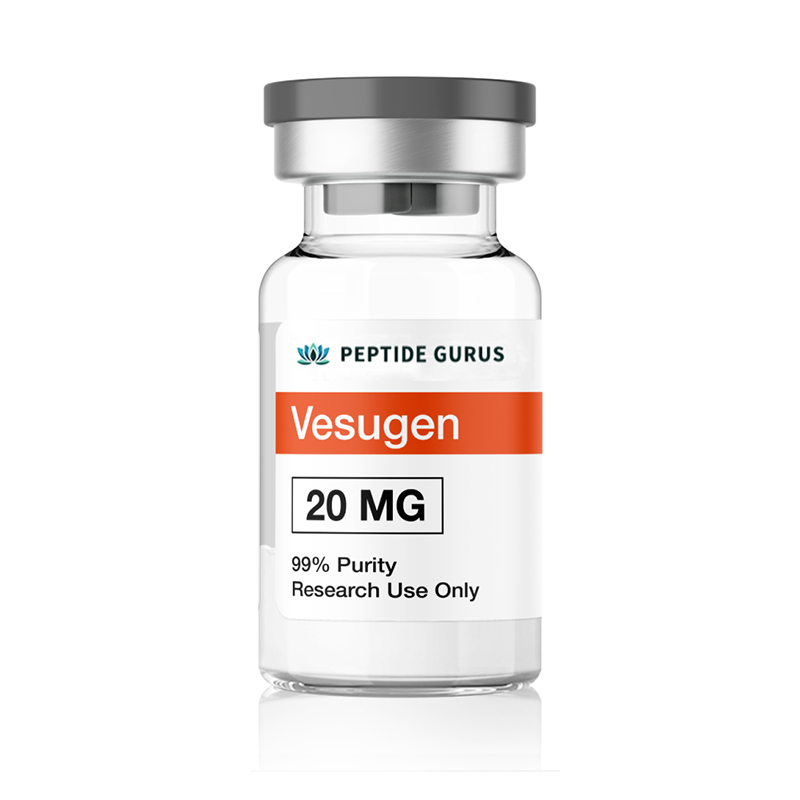
Peptide Vesugen
X
Peptide Vesugen
Contact pour commander
Envoyez-nous un e-mail dès maintenant pour passer votre commande avec un support individuel. Stock limité ! Nous acceptons Zelle, CashApp, Venmo, virements bancaires et cryptomonnaies.
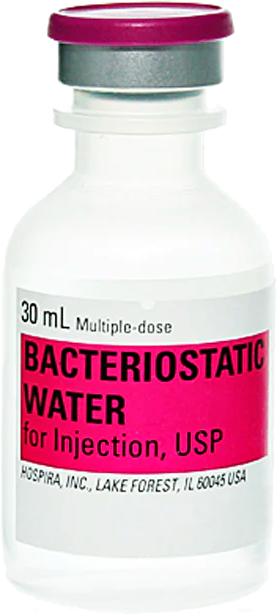
Eau bactériostatique

Eau bactériostatique libre (1) 30 ml
avec des commandes qualifiées sur500 USD. (exclut les produits de capsule, les peptides cosmétiques, les codes promotionnels et l'expédition)

Vesugen est un biorégulateur et un triprotecteur géroprotecteur. La recherche l'a montré pour protéger le système vasculaire des effets du vieillissement en limitant le développement de l'athérosclérose et en diminuant le dysfonctionnement global des cellules endothéliales. Les systèmes sensibles aux dommages vasculaires et au déclin montrent donc les effets les plus évidents de l'administration de Vesugen. Ces systèmes comprennent le système nerveux central et le système cardiovasculaire. Vesugen semble jouer un rôle de premier plan dans la régulation des niveaux de protéines Sirtuin 1. Sirtuin 1 a des effets importants sur les processus métaboliques et aide à réduire les effets du vieillissement. La sirtuine 1 est activée à la suite d'une restriction calorique et est donc considérée comme l'une des protéines responsables des effets anti-âge profonds associés à la restriction calorique.
Utilisation du produit:Ce produit est conçu uniquement comme un produit chimique de recherche.Cette désignation permet l'utilisation de produits chimiques de recherche strictement pour les tests in vitro et l'expérimentation de laboratoire uniquement. Toutes les informations sur les produits disponibles sur ce site Web sont à des fins éducatives uniquement. L'introduction corporelle de toute nature dans l'homme ou les animaux est strictement interdite par la loi. Ce produit ne doit être géré que par des professionnels agréés et qualifiés. Ce produit n'est pas une drogue, de la nourriture ou un cosmétique et peut ne pas être mal étendu, mal utilisé ou erroné comme drogue, aliment ou cosmétique.

Vesugen

Vesugen (Lys-Glu-Asp) est un tripeptide avec des effets primaires sur le système vasculaire. Parce que le système vasculaire est important dans tout le corps et dans chaque processus métabolique, Vesugen a un impact à grande échelle. La recherche montre qu'elle peut améliorer la survie des neurones dans le système nerveux central, diminuer l'athérosclérose / resténose pour protéger les vaisseaux sanguins et augmenter la survie des cellules et la santé des tissus dans tout le corps. Il existe également des recherches pour suggérer que Vesugen peut être important dans la régulation du comportement addictif et de récompense. Vesugen est un peptide anti-âge, en partie parce qu'il imite certains des effets de la restriction calorique. La restriction calorique a longtemps été comprise pour favoriser la longévité.

Structure Vesugen

Séquence d'acides aminés:Lys-Glu-Asp (KED)Formule moléculaire:C15H26N4O8Poids moléculaire:390,39 g / molPubChem CID: 87571363 Synonymes:Lysylglutamyl Aspartic Acid, Schembl3767701, Chebi: 159909MoleculeSource:Se publier

Vesugen 20 mg et le cerveau

Vesugen is a promising neuroprotective peptide with potential applications in the treatment of Alzheimer’s disease. Oral administration of the peptide to elderly individuals with functional disorders of the central nervous system (CNS) has resulted in improved memory in past experiments. The peptide has also been shown to restore synaptic plasticity, which is to say the ability of neurons to make and strengthen connections between themselves[1]. Like most bioregulatory peptides, Vesugen appears to regulate the expression of genes involved in apoptosis and neuron differentiation. Research shows that Vesugen has an impact on the genes for p16, p21, NES, GAP43, nestin, SUMO, APOE, and IGF1. Some of these peptides are involved in apoptosis (programmed cell death) of neurons while others are involved in neuron growth or have been shown to play a role in Alzheimer’s disease pathogenesis[1]. Research also shows that peptides like Vesugen, Epitalon, Pinealon, and Violon can reduce the effects of hypoxia (oxygen deprivation) in the central nervous system. They appear to do this by boosting anti-oxidative enzyme levels and thus helping to counteract the increase in neurotoxic reactive oxygen species that occurs when oxygen levels decline[2]. According to Dr. Linkova, a Russia specialist in aging and gerontology, this effect of Vesugen could not only be useful in the setting of hypoxic events like stroke or heart attack, but also in the setting of neonatal hypoxia during birth.MoléculeSource:Se publier

Vesugen et vaisseaux sanguins

At least part of the reason that Vesugen protects the central nervous system comes down to the fact that it protects blood vessels from the clogging effects of atherosclerosis and therefore serves to maintain both the supply of nutrients to various tissues as well as the removal of waste products. The latter may be more important in long-term brain health given that research has shown the brain to produce high amounts of metabolic byproducts that, if not removed promptly, can be toxic to neurons. Having a robust blood supply helps to ensure neurons remain in a healthy environment. In fact, the bulk (though not all) of Vesugen’s geroprotective effects may boil down to its impact on vascular health. Research shows that Vesugen is effective in the treatment of atherosclerosis and other cardiovascular disorders, particularly in older individuals. It affects the expression of genes responsible for endothelial regulation and health. Endothelial cells are the cells that line the insides of blood vessels. Research in mice shows that Vesugen prevents the development of atherosclerosis and vascular stenosis (narrowing due to endothelial overgrowth) by normalizing endothelin-1 expression and increasing sirtuin 1 expression[3]. Sirtuin helps to prevent lipid production and stimulates the oxidation (burning) of fatty acids by altering transcription factors and thus controlling large numbers of genes. Research shows that it contributes to longevity, which means that Vesugen is, at least indirectly, and anti-aging peptide. The ability of Vesugen to prevent lipid peroxidation (a process that is different from oxidation) increases the stability of red blood cell membranes, which stabilizes the vasculature. This leads to a decrease in the percent of dead cells circulating through blood vessels (especially in the central nervous system) and may serve to reduce rates of apoptosis/necrosis[4]. Additional research reveals that Vesugen stimulates proliferation-associated protein Ki-67 in blood vessels and that levels of Vesugen naturally decline with age[5]. This would suggest that at least part of the reason that rates of vascular disease rise with age is not because of diet or environmental exposure, but simply because these cells start to lose protective mechanisms as Vesugen levels decline. Supplementation with Vesugen 20mg, which has been shown to be orally active, could help to prevent this age-related decline.

Vesugen et diabète

Vesugen 20mg, as pointed out in the section on blood vessel health, activates sirtuin 1, which has been shown to play important roles in insulin sensitivity. Research in mice shows that activation of sirtuin 1 by compounds like Vesugen or the antioxidant resveratrol, increase insulin sensitivity and helps to attenuate the insulin resistance caused by eating a high fat diet[6]. In addition to helping to regulate insulin sensitivity, sirtuin 1 has also been shown to affect the activity of PGC1-alpha and the ERR-alpha complex. These proteins are important regulators of large components of the metabolic pathway. Regulation of these pathways helps to improve overall metabolism and fight off the development of metabolic syndrome[7], [8].

Vesugen et dépendance

La recherche montre que la sirtuine 1 fait partie d'un grand complexe de protéines qui régulent le type D1 des neurones épineux dopaminergiques dans le système nerveux central. Ces neurones sont importants dans la pathogenèse de la dépendance. Ces neurones jouent un rôle important dans la motivation, la récompense et la formation d'habitudes. Le dysfonctionnement de ces systèmes est lié à la dépendance et à la schizophrénie ainsi qu'à la maladie de Parkinson. La capacité de réguler leur fonction peut fournir de nouveaux outils importants dans le traitement de divers troubles psychiatriques et neurologiques.

Vesugen et vieillissement

It has long been known that caloric restriction is a highly effective means of prolonging life. In fact, research suggests that calorie restriction may have the single largest impact on longevity of anything discovered to date. What is unclear, however, is exactly how calorie restriction produces this effect. At least part of the answer, it appears, comes down to changes in patterns of protein expression. Research shows that increases in sirtuin 1 that result from calorie restriction result in deactivation of the p53 protein. Down regulation of p53 function helps to slow the rate of apoptosis, which means that cells survive for longer. This is critical in tissue where cells are either slowly replaced (cardiac tissue) or are not replaced at all (neurons). In addition, sirutin 1 also stimulates the process of autophagy[9]. Autophagy is an important component of tissue health in which cellular components are recycled and renewed. This leads to improved functionality of cells and decreases the presence of waste materials and debris. Overall, the activation of sirtuin 1 helps to improve cell and tissue health both by helping cells with regular housekeeping duties and by prolonging survival. This effect can be achieved via fasting or calorie restriction, but these practices are not easy to maintain over a lifetime. Dr. Vladimir Khavinson, considered to be the father of bioregulator peptide investigation, Vesugen has the same effect as calorie restriction. Thus, the peptide may be a suitable alternative to achieving the effects of calorie restriction without actually restricting calories. Research on Vesugen indicates that it is, indeed, and anti-aging peptide. Administration of Vesugen to adults with polymorbidity and organic brain syndrome shows that the peptide has significant anabolic (tissue and cell building) effects. These anabolic effects lead to improved activity both in the central nervous system and throughout the body. Measurement of biological indicators of age reveals an overall slowing of the rate of aging in this setting. In some ways, Vesugen shows more potent geroprotective effects than the vaunted Pinealon peptide[10]. The two peptides are likely synergistic when administered in combination.

Résumé de Vesugen

Vesugen est un biorégulateur et un triprotecteur géroprotecteur. Il protège le système vasculaire des effets du vieillissement en limitant le développement de l'athérosclérose et en diminuant le dysfonctionnement global des cellules endothéliales. Les systèmes sensibles aux dommages vasculaires et au déclin montrent donc les effets les plus évidents de l'administration de Vesugen. Ces systèmes comprennent le système nerveux central et le système cardiovasculaire. Vesugen semble jouer un rôle de premier plan dans la régulation des niveaux de protéines Sirtuin 1. Sirtuin 1 a des effets importants sur les processus métaboliques et aide à réduire les effets du vieillissement. La sirtuine 1 est activée à la suite d'une restriction calorique et est donc considérée comme l'une des protéines responsables des effets anti-âge profonds associés à la restriction calorique.

Article auteur

La littérature ci-dessus a été étudiée, édité et organisée par le Dr E. Logan, M.D. Le Dr E. Logan est titulaire d'un doctorat à partir deCase Western Reserve University School of Medicineet un B.S. en biologie moléculaire.

Auteur de journal scientifique

Vladimir Khavinsonest professeur, président de la région européenne de l'Association internationale de gérontologie et de gériatrie; Membre duAcademies russes et ukrainiennes des sciences médicales; Gérontologue principal du comité de santé du gouvernement de Pétersbourg, Russie; Directeur du Saint-Pétersbourg Institute of Bioregulation and Gerontology; Vice-président de la Société gérontologique de laAcadémie russe des sciences; Chef du président de la gérontologie et de la gériatrie de l'Université médicale d'État de l'époque, St-Petersburg; Colonel of Medical Service (URSS, Russie), Retired.Vladimir Khavinson est connu pour la découverte, les études expérimentales et cliniques de nouvelles classes dePeptideBiorégulateurs ainsi que pour le développement de la thérapie peptidique biorégulante. Il est engagé dans l'étude du rôle des peptides dans la régulation des mécanismes de vieillissement. Son principal domaine d'actions est les études de conception, précliniques et cliniques de nouveaux peptidesgéroprotecteurs. A 40-year-long investigation resulted in a multitude of methods of application of peptide bioregulators to slow down the process of ageing and increase human life span. Six peptide-based pharmaceuticals and 64 peptide food supplements have been introduced into clinical practice by V. Khavinson. He is an author of 196 patents (Russian and international) as well as of 775 scientific publications.His major achievements are presented in two books: “Peptides and Ageing” (NEL, 2002)and “Gerontological aspects of genome peptide regulation” (Karger AG, 2005).Vladimir Khavinson introduced scientific specialty “Gerontology and Geriatrics” in the Russian Federation on the governmental level. Academic Council headed by V. Khavinson has oversighted over 200 Ph.D. and Doctorate theses from many different countries. Prof. Vladimir Khavinson is being referenced as one of the leading scientists involved in the research and development of Vesugen. In no way is this doctor/scientist endorsing or advocating the purchase, sale, or use of this product for any reason. There is no affiliation or relationship, implied or otherwise, between
Gourous peptidiquesEt ce médecin. Le but de citer le médecin est de reconnaître, de reconnaître et de créditer les efforts exhaustifs de recherche et de développement menés par les scientifiques qui étudient ce peptide.

Citations référencées

    V. K. Khavinson, N. S. Lin’kova, and R. S. Umnov, “Peptide KED: Molecular-Genetic Aspects of Neurogenesis Regulation in Alzheimer’s Disease,”Bull. Exp. Biol. Med., vol. 171, no. 2, pp. 190–193, May 2021, doi: 10.1007/s10517-021-05192-6. L. S. Kozina, “[Investigation of antihypoxic properties of short peptides],”Adv. Gerontol. Uspekhi Gerontol., vol. 21, no. 1, pp. 61–67, 2008. K. L. Kozlovet al., “[Molecular aspects of vasoprotective peptide KED activity during atherosclerosis and restenosis],”Adv. Gerontol. Uspekhi Gerontol., vol. 29, no. 4, pp. 646–650, 2016. L. S. Kozina, A. V. Arutiunian, S. L. Stvolinskiĭ, and V. K. Khavinson, “[Biological activity of regulatory peptides in model experiments in vitro],”Adv. Gerontol. Uspekhi Gerontol., vol. 21, no. 1, pp. 68–73, 2008. V. K. Khavinson, S. I. Tarnovskaia, N. S. Lin’kova, E. O. Guton, and E. V. Elashkina, “[Epigenetic aspects of peptidergic regulation of vascular endothelial cell proliferation during aging],”Adv. Gerontol. Uspekhi Gerontol., vol. 27, no. 1, pp. 108–114, 2014. C. Sunet al., “SIRT1 improves insulin sensitivity under insulin-resistant conditions by repressing PTP1B,”Cell Metab., vol. 6, no. 4, pp. 307–319, Oct. 2007, doi: 10.1016/j.cmet.2007.08.014. S. Nemoto, M. M. Fergusson, and T. Finkel, “SIRT1 functionally interacts with the metabolic regulator and transcriptional coactivator PGC-1{alpha},”J. Biol. Chem., vol. 280, no. 16, pp. 16456–16460, Apr. 2005, doi: 10.1074/jbc.M501485200. M. Lagougeet al., “Resveratrol improves mitochondrial function and protects against metabolic disease by activating SIRT1 and PGC-1alpha,”Cell, vol. 127, no. 6, pp. 1109–1122, Dec. 2006, doi: 10.1016/j.cell.2006.11.013. I. H. Leeet al., “A role for the NAD-dependent deacetylase Sirt1 in the regulation of autophagy,”Proc. Natl. Acad. Sci. U. S. A., vol. 105, no. 9, pp. 3374–3379, Mar. 2008, doi: 10.1073/pnas.0712145105. V. N. Meshchaninov, E. L. Tkachenko, S. V. Zharkov, I. V. Gavrilov, and I. E. Katyreva, “[EFFECT OF SYNTHETIC PEPTIDES ON AGING OF PATIENTS WITH CHRONIC POLYMORBIDITY AND ORGANIC BRAIN SYNDROME OF THE CENTRAL NERVOUS SYSTEM IN REMISSION],”Adv. Gerontol. Uspekhi Gerontol., vol. 28, no. 1, pp. 62–67, 2015.
Tous les articles et informations sur les produits fournis sur ce site Web sont à des fins informatiques et éducatives uniquement.Les produits proposés sur ce site Web sont fournis uniquement pour des études in vitro. Des études in vitro (latin: en verre) sont réalisées en dehors du corps. Ces produits ne sont pas des médicaments ou des médicaments et n'ont pas été approuvés par la FDA pour prévenir, traiter ou guérir une condition médicale, une maladie ou une maladie. L'introduction corporelle de toute nature dans l'homme ou les animaux est strictement interdite par la loi.

Demander une enquête

À propos de nous

Peptidegurus est l'un des principaux fournisseurs de peptides de recherche de fabrication américaine, offrant des produits de qualité supérieure à des prix compétitifs. En mettant l'accent sur l'excellence et le service à la clientèle, ils garantissent un processus de commande sécurisé et pratique avec l'expédition mondiale.

Demander un devis

  • Gourous peptidiques
  • info@peptidegurus.com
  • Glendale, c'est, USA
  • CONTACT

    Demander une enquête