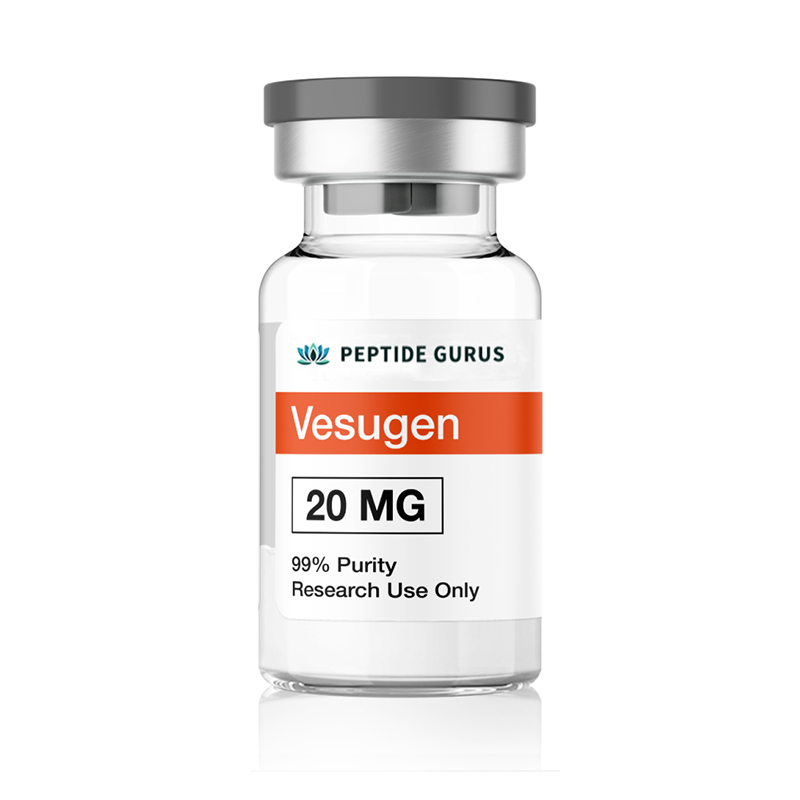
Napisz do nas teraz e-mail, aby złożyć zamówienie z pomocą indywidualną. Ograniczona sprzedaż! Akceptujemy Zelle, CashApp, Venmo, przelewy bankowe oraz kryptowaluty.
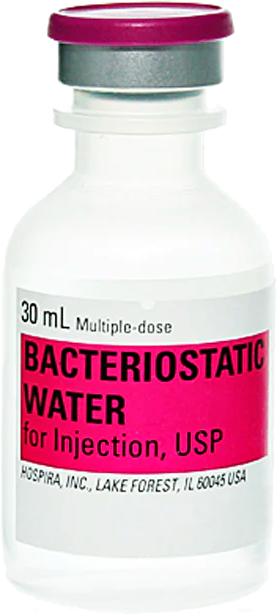
Wolna (1) 30 ml wody bakteriostatycznej with qualified orders over $500 USD.
(excludes capsule products, cosmetic peptides, promo codes and shipping)
Vesugen jest bioregulatorem i tripeptydem geroprotekcyjnym. Badania wykazały, że chroni układ naczyniowy przed skutkami starzenia się poprzez ograniczenie rozwoju miażdżycy i zmniejszenie ogólnej dysfunkcji komórek śródbłonka. Układy wrażliwe na uszkodzenia i pogorszenie się naczyń wykazują najbardziej widoczne efekty podania Vesugena. Do tych układów należą ośrodkowy układ nerwowy oraz układ sercowo-naczyniowy. Vesugen wydaje się odgrywać ważną rolę w regulacji poziomu białka syrtuiny 1. Sirtuina 1 ma istotny wpływ na procesy metaboliczne i pomaga zmniejszyć skutki starzenia. Sirtuina 1 jest aktywowana w wyniku ograniczenia kalorii i dlatego uważa się ją za jedno z białek odpowiedzialnych za silne działanie przeciwstarzeniowe związane z ograniczeniem kalorii.
Product Usage: This PRODUCT IS INTENDED AS A RESEARCH CHEMICAL ONLY. To oznaczenie pozwala na stosowanie chemikaliów badawczych wyłącznie do testów in vitro i eksperymentów laboratoryjnych. Wszystkie informacje o produktach dostępne na tej stronie mają charakter wyłącznie edukacyjny. Wprowadzenie ciała jakiegokolwiek rodzaju do ludzi lub zwierząt jest surowo zabronione przez prawo. Tym produktem powinni zajmować się wyłącznie licencjonowani, wykwalifikowani profesjonaliści. Ten produkt nie jest lekiem, żywnością ani kosmetykiem i nie może być błędnie oznakowany, niewłaściwie używany ani błędnie określany jako lek, żywność czy kosmetyk.
Vesugen
Wezugen (Lys-Glu-Asp) to tripeptyd o głównym wpływie na układ naczyniowy. Ponieważ układ naczyniowy jest ważny w całym ciele i w każdym procesie metabolicznym, Vesugen ma szeroki wpływ. Badania pokazują, że może poprawić przeżywalność neuronów w ośrodkowym układzie nerwowym, zmniejszyć miażdżycę/restenozę, chroniąc naczynia krwionośne, oraz zwiększyć przeżywalność komórek i zdrowie tkanek w całym ciele. Istnieją również badania sugerujące, że Vesugen może odgrywać ważną rolę w regulacji zachowań uzależnień i nagradzania. Vesugen jest peptydem przeciwstarzeniowym, częściowo dlatego, że naśladuje niektóre efekty ograniczenia kalorii. Ograniczenie kalorii od dawna jest uznawane za czynnik sprzyjający długowieczności.
Vesugen is a promising neuroprotective peptide with potential applications in the treatment of Alzheimer’s disease. Oral administration of the peptide to elderly individuals with functional disorders of the central nervous system (CNS) has resulted in improved memory in past experiments. The peptide has also been shown to restore synaptic plasticity, which is to say the ability of neurons to make and strengthen connections between themselves[1].
Like most bioregulatory peptides, Vesugen appears to regulate the expression of genes involved in apoptosis and neuron differentiation. Research shows that Vesugen has an impact on the genes for p16, p21, NES, GAP43, nestin, SUMO, APOE, and IGF1. Some of these peptides are involved in apoptosis (programmed cell death) of neurons while others are involved in neuron growth or have been shown to play a role in Alzheimer’s disease pathogenesis[1].
Research also shows that peptides like Vesugen, Epitalon, Pinealon, and Violon can reduce the effects of hypoxia (oxygen deprivation) in the central nervous system. They appear to do this by boosting anti-oxidative enzyme levels and thus helping to counteract the increase in neurotoxic reactive oxygen species that occurs when oxygen levels decline[2]. According to Dr. Linkova, a Russia specialist in aging and gerontology, this effect of Vesugen could not only be useful in the setting of hypoxic events like stroke or heart attack, but also in the setting of neonatal hypoxia during birth.
Source: PubChem
Wezugen i naczynia krwionośne
At least part of the reason that Vesugen protects the central nervous system comes down to the fact that it protects blood vessels from the clogging effects of atherosclerosis and therefore serves to maintain both the supply of nutrients to various tissues as well as the removal of waste products. The latter may be more important in long-term brain health given that research has shown the brain to produce high amounts of metabolic byproducts that, if not removed promptly, can be toxic to neurons. Having a robust blood supply helps to ensure neurons remain in a healthy environment. In fact, the bulk (though not all) of Vesugen’s geroprotective effects may boil down to its impact on vascular health.
Research shows that Vesugen is effective in the treatment of atherosclerosis and other cardiovascular disorders, particularly in older individuals. It affects the expression of genes responsible for endothelial regulation and health. Endothelial cells are the cells that line the insides of blood vessels. Research in mice shows that Vesugen prevents the development of atherosclerosis and vascular stenosis (narrowing due to endothelial overgrowth) by normalizing endothelin-1 expression and increasing sirtuin 1 expression[3]. Sirtuin helps to prevent lipid production and stimulates the oxidation (burning) of fatty acids by altering transcription factors and thus controlling large numbers of genes. Research shows that it contributes to longevity, which means that Vesugen is, at least indirectly, and anti-aging peptide.
The ability of Vesugen to prevent lipid peroxidation (a process that is different from oxidation) increases the stability of red blood cell membranes, which stabilizes the vasculature. This leads to a decrease in the percent of dead cells circulating through blood vessels (especially in the central nervous system) and may serve to reduce rates of apoptosis/necrosis[4].
Additional research reveals that Vesugen stimulates proliferation-associated protein Ki-67 in blood vessels and that levels of Vesugen naturally decline with age[5]. This would suggest that at least part of the reason that rates of vascular disease rise with age is not because of diet or environmental exposure, but simply because these cells start to lose protective mechanisms as Vesugen levels decline. Supplementation with Vesugen 20mg, which has been shown to be orally active, could help to prevent this age-related decline.
Wezugen i cukrzyca
Vesugen 20mg, as pointed out in the section on blood vessel health, activates sirtuin 1, which has been shown to play important roles in insulin sensitivity. Research in mice shows that activation of sirtuin 1 by compounds like Vesugen or the antioxidant resveratrol, increase insulin sensitivity and helps to attenuate the insulin resistance caused by eating a high fat diet[6].
In addition to helping to regulate insulin sensitivity, sirtuin 1 has also been shown to affect the activity of PGC1-alpha and the ERR-alpha complex. These proteins are important regulators of large components of the metabolic pathway. Regulation of these pathways helps to improve overall metabolism and fight off the development of metabolic syndrome[7], [8].
Vesugen i uzależnienie
Badania pokazują, że syrtuina 1 jest częścią dużego kompleksu białek regulujących dopaminergiczne neurony kolczaste typu D1 w ośrodkowym układzie nerwowym. Te neurony odgrywają ważną rolę w patogenezie uzależnienia. Te neurony odgrywają ważną rolę w motywacji, nagrodzie i tworzeniu nawyków. Dysfunkcja tych układów wiąże się z uzależnieniami, schizofrenią oraz chorobą Parkinsona. Zdolność do regulacji ich funkcji może dostarczyć ważnych nowych narzędzi w leczeniu różnych zaburzeń psychiatrycznych i neurologicznych.
Wezugen i starzenie się
It has long been known that caloric restriction is a highly effective means of prolonging life. In fact, research suggests that calorie restriction may have the single largest impact on longevity of anything discovered to date. What is unclear, however, is exactly how calorie restriction produces this effect.
At least part of the answer, it appears, comes down to changes in patterns of protein expression. Research shows that increases in sirtuin 1 that result from calorie restriction result in deactivation of the p53 protein. Down regulation of p53 function helps to slow the rate of apoptosis, which means that cells survive for longer. This is critical in tissue where cells are either slowly replaced (cardiac tissue) or are not replaced at all (neurons).
In addition, sirutin 1 also stimulates the process of autophagy[9]. Autophagy is an important component of tissue health in which cellular components are recycled and renewed. This leads to improved functionality of cells and decreases the presence of waste materials and debris.
Overall, the activation of sirtuin 1 helps to improve cell and tissue health both by helping cells with regular housekeeping duties and by prolonging survival. This effect can be achieved via fasting or calorie restriction, but these practices are not easy to maintain over a lifetime. Dr. Vladimir Khavinson, considered to be the father of bioregulator peptide investigation, Vesugen has the same effect as calorie restriction. Thus, the peptide may be a suitable alternative to achieving the effects of calorie restriction without actually restricting calories.
Research on Vesugen indicates that it is, indeed, and anti-aging peptide. Administration of Vesugen to adults with polymorbidity and organic brain syndrome shows that the peptide has significant anabolic (tissue and cell building) effects. These anabolic effects lead to improved activity both in the central nervous system and throughout the body. Measurement of biological indicators of age reveals an overall slowing of the rate of aging in this setting. In some ways, Vesugen shows more potent geroprotective effects than the vaunted Pinealon peptide[10]. The two peptides are likely synergistic when administered in combination.
Podsumowanie Vesugen
Vesugen jest bioregulatorem i tripeptydem geroprotekcyjnym. Chroni układ naczyniowy przed skutkami starzenia się, ograniczając rozwój miażdżycy i zmniejszając ogólną dysfunkcję komórek śródbłonka. Układy wrażliwe na uszkodzenia i pogorszenie się naczyń wykazują najbardziej widoczne efekty podania Vesugena. Do tych układów należą ośrodkowy układ nerwowy oraz układ sercowo-naczyniowy. Vesugen wydaje się odgrywać ważną rolę w regulacji poziomu białka syrtuiny 1. Sirtuina 1 ma istotny wpływ na procesy metaboliczne i pomaga zmniejszyć skutki starzenia. Sirtuina 1 jest aktywowana w wyniku ograniczenia kalorii i dlatego uważa się ją za jedno z białek odpowiedzialnych za silne działanie przeciwstarzeniowe związane z ograniczeniem kalorii.
Autor artykułu
The above literature was researched, edited and organized by Dr. E. Logan, M.D. Dr. E. Logan holds a doctorate degree from Case Western Reserve University School of Medicine and a B.S. in molecular biology.
Autor czasopisma naukowego
Vladimir Khavinson is a Professor, President of the European region of the International Association of Gerontology and Geriatrics; Member of the Rosyjskie i Ukraińskie Akademie Nauk Medycznych; Main gerontologist of the Health Committee of the Government of Saint Petersburg, Russia; Director of the Saint Petersburg Institute of Bioregulation and Gerontology; Vice-president of Gerontological Society of the Rosyjska Akademia Nauk; Head of the Chair of Gerontology and Geriatrics of the North-Western State Medical University, St-Petersburg; Colonel of medical service (USSR, Russia), retired. Vladimir Khavinson is known for the discovery, experimental and clinical studies of new classes of Peptyd bioregulators as well as for the development of bioregulating peptide therapy. He is engaged in studying of the role of peptides in regulation of the mechanisms of ageing. His main field of actions is design, pre-clinical and clinical studies of new peptide Geroprotektory. A 40-year-long investigation resulted in a multitude of methods of application of peptide bioregulators to slow down the process of ageing and increase human life span. Six peptide-based pharmaceuticals and 64 peptide food supplements have been introduced into clinical practice by V. Khavinson. He is an author of 196 patents (Russian and international) as well as of 775 scientific publications. His major achievements are presented in two books: “Peptides and Ageing” (NEL, 2002) and “Gerontological aspects of genome peptide regulation” (Karger AG, 2005). Vladimir Khavinson introduced scientific specialty “Gerontology and Geriatrics” in the Russian Federation on the governmental level. Academic Council headed by V. Khavinson has oversighted over 200 Ph.D. and Doctorate theses from many different countries.
Prof. Vladimir Khavinson is being referenced as one of the leading scientists involved in the research and development of Vesugen. In no way is this doctor/scientist endorsing or advocating the purchase, sale, or use of this product for any reason. There is no affiliation or relationship, implied or otherwise, between
Guru peptydów I tego lekarza. Celem cytowania lekarza jest uznanie, uznanie i uznanie wyczerpujących badań i rozwoju prowadzonych przez naukowców badających ten peptyd.
ALL ARTICLES AND PRODUCT INFORMATION PROVIDED ON THIS WEBSITE ARE FOR INFORMATONAL AND EDUCATIONAL PURPOSES ONLY.
Produkty oferowane na tej stronie są przeznaczone wyłącznie do badań in vitro. Badania in vitro (łac. w szkle) przeprowadza się poza ciałem. Te produkty nie są lekami ani lekami i nie zostały zatwierdzone przez FDA do zapobiegania, leczenia lub leczenia jakichkolwiek schorzeń, dolegliwości czy chorób. Wprowadzenie ciała jakiegokolwiek rodzaju do ludzi lub zwierząt jest surowo zabronione przez prawo.
PeptideGurus jest wiodącym dostawcą amerykańskich peptydów badawczych, oferującym produkty najwyższej jakości w konkurencyjnych cenach. Stawiając na doskonałą jakość i obsługę klienta, zapewniają bezpieczny i wygodny proces zamawiania z globalną wysyłką.