



Retatrutide functions as a unique single-peptide chain engineered to concurrently engage three distinct physiological receptor systems. By targeting the glucagon-like peptide-1 (GLP-1), glucose-dependent insulinotropic polypeptide (GIP), and glucagon receptors, this investigational triple-agonist introduces a polypharmacologic framework into metabolic pathway studies. Published scientific literature in peer-reviewed journals, such as the initial Phase evaluations coordinated through major clinical programs (e.g., Jastreboff et al., The New England Journal of Medicine, 2023), highlights that this multi-receptor activation requires precise structural integrity to prevent binding affinity distortions. In laboratory environments, even minor alterations in amino acid sequencing or secondary folding can lead to experimental variance, making foundational understanding of its receptor kinetics critical for analytical chemists and researchers exploring advanced options available at Peptide Gurus.
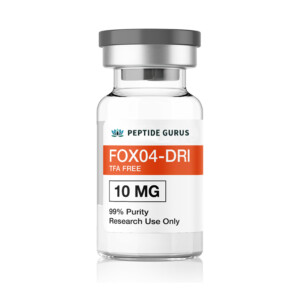
The quantitative assessment of peptide purity relies heavily on advanced chromatographic techniques, with High-Performance Liquid Chromatography (HPLC) serving as the primary baseline verification tool. Analytical laboratories evaluating research-grade compounds look for sharp, isolated retention peaks that distinguish the target peptide from related substances or truncated sequences. A common question among laboratory technicians is why HPLC testing is essential for Retatrutide research peptides; the answer lies in its ability to isolate the primary peptide compound from synthesis-related impurities, ensuring that structural purity ratings exceed 98% to 99% for reliable experimental outcomes. According to independent third-party laboratory evaluations (such as those documented by analytical facilities like Janoshik Analytical), premium-tier batches consistently demonstrate these high standards.
Beyond chromatographic separation, Mass Spectrometry (MS) provides structural confirmation by evaluating the mass-to-charge ratio of peptide ions. Researchers frequently inquire about what role mass spectrometry plays in analytical verification, and it is utilized to confirm the exact molecular mass and sequence consistency of the peptide, verifying that the delivered compound matches theoretical specifications without hidden isomers. HPLC-MS hyphenated systems allow laboratory technicians to verify that the molecular weight aligns precisely with the theoretical composition. In peptide synthesis quality control, these dual-method testing reports—commonly issued as batch-specific Certificates of Analysis (COA)—help maintain absolute transparency and reproducibility across experimental replicates when sourcing from Peptide Gurus.
While investigational compounds undergo rigorous evaluation under clinical frameworks like the Phase 3 TRIUMPH trial program sponsored by Eli Lilly (ClinicalTrials.gov Identifier: NCT05888204), analytical laboratories must adhere to established Good Laboratory Practices (GLP) when handling reference materials. A frequent inquiry in regulatory tracking asks how compliance documents support experimental safety; the documentation ensures proper lot traceability and adherence to recommended batch release parameters. Regulatory guidance documents—such as those issued by international pharmacopeias and technical specifications for chemical characterization—outline recommended batch release parameters rather than direct mandates for unregulated research chemicals. Securing comprehensive analytical documentation, including detailed chromatograms and identity verification records, ensures that research institutions operate with full transparency regarding material provenance and lot consistency.
Maintaining the chemical stability of synthetic peptides requires stringent adherence to low-temperature storage parameters. A frequent inquiry in laboratory protocols asks how research-grade Retatrutide should be stored in the laboratory; lyophilized peptides should be stored in desiccated environments at sub-zero temperatures (-20°C or -80°C) to prevent thermal degradation and preserve sample integrity over time. Analytical protocols dictate that once a vial is reconstituted or exposed to ambient thermal fluctuations, degradation rates can increase exponentially, requiring strict inventory controls and continuous temperature-monitoring logs throughout experimental lifecycles.
Sourcing reliable reference materials requires collaboration with synthesis providers that maintain robust cleanroom manufacturing infrastructures and transparent analytical validation pipelines. A final operational question often centers on how suppliers maintain material reliability; Peptide Gurus addresses this by implementing multi-tier quality assurance measures, including batch-specific HPLC-MS screening and rigorous documentation standards. By combining advanced solid-phase peptide synthesis capabilities with transparent supply chain traceability, Peptide Gurus equips laboratories worldwide with the dependable, high-purity compounds necessary to advance modern metabolic and receptor-binding research.
PeptideGurus is a leading supplier of American-made research peptides, offering top-quality products at competitive prices. With a focus on excellence and customer service, they ensure a secure and convenient ordering process with global shipping.
© Copyright Peptide Gurus 2024. All rights reserved.Privacy Policy
All products on this site are for Research, Development use only. Products are Not for Human consumption of any kind. The statements made within this website have not been evaluated by the US Food and Drug Administration or HEALTH CANADA. The statements and the products of this company are not intended to diagnose, treat, cure or prevent any disease.
PeptideGurus is a chemical supplier. PeptideGurus is not a compounding pharmacy or chemical compounding facility as defined under 503A of the Federal Food, Drug, and Cosmetic act. Peptide Sciences is not an outsourcing facility as defined under 503B of the Federal Food, Drug, and Cosmetic act.
CONTACT