




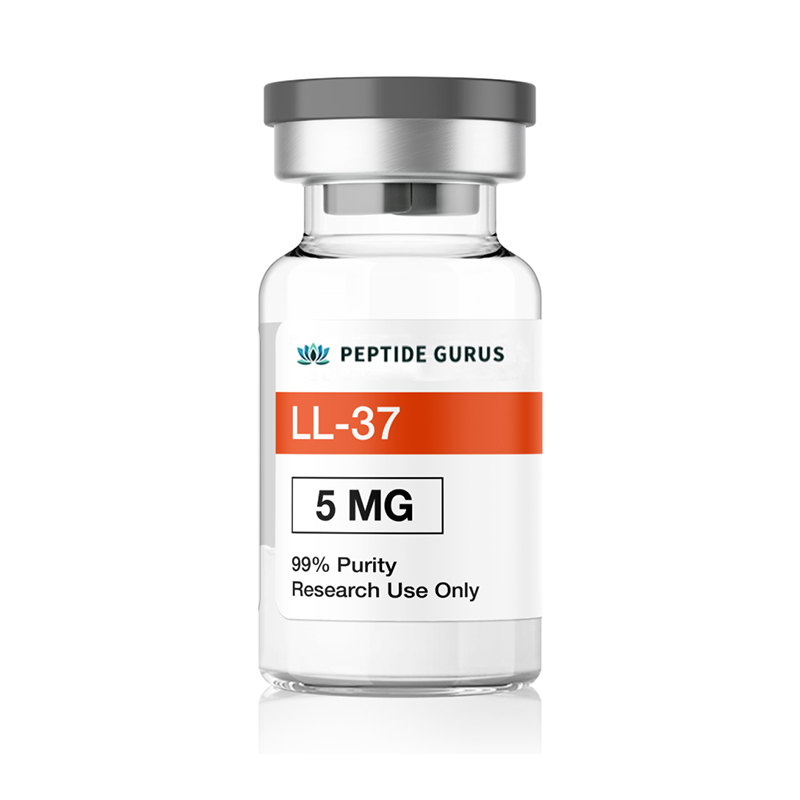
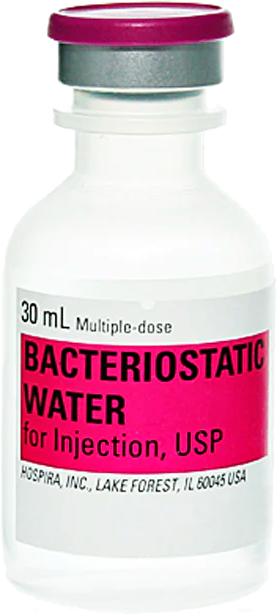
Miễn phí (1) 30 ml Nước kìm khuẩn
with qualified orders over $500 USD.
(excludes capsule products, cosmetic peptides, promo codes and shipping)
LL-37, giống như tất cả các cathelicidin, có kháng khuẩn, kháng khuẩn, kháng vi-rút, kháng nấm và đã được chứng minh là làm giảm viêm. Nghiên cứu cũng cho thấy tác dụng của nó chống lại một số bệnh ung thư và khuyến khích sự phát triển của mạch máu trong các môi trường cụ thể.
Product Usage: This PRODUCT IS INTENDED AS A RESEARCH CHEMICAL ONLY. This designation allows the use of research chemicals strictly for in vitro testing and laboratory experimentation only. All product information available on this website is for educational purposes only. Bodily introduction of any kind into humans or animals is strictly forbidden by law. This product should only be handled by licensed, qualified professionals. This product is not a drug, food, or cosmetic and may not be misbranded, misused or mislabled as a drug, food or cosmetic.
LL-37 (CAP-18) là gì?
LL-37 là cathelicidin người duy nhất được biết đến, là một họ protein lớn có chức năng đa dạng. Những peptide này, chủ yếu được tìm thấy trong các đại thực bào và bạch cầu đa nhân (cả hai loại tế bào bạch cầu), rất quan trọng để tiêu diệt vi khuẩn, nhưng cũng đã được tìm thấy có tác dụng kịch tính khác. Toàn bộ lớp thường được gọi là peptide kháng khuẩn (AMP). LL-37 đã được tìm thấy để đóng vai trò quan trọng trong bệnh tự miễn, ung thư và chữa lành vết thương.
Cấu trúc LL-37

Nghiên cứu LL-37
LL-37 và các bệnh viêm
LL-37, trong khi chủ yếu được coi là một peptide kháng khuẩn, thực sự đóng vai trò trong một số bệnh viêm như bệnh vẩy nến, lupus, viêm khớp dạng thấp và xơ vữa động mạch. Tùy thuộc vào môi trường viêm cục bộ và các tế bào cụ thể liên quan, LL-37 có một số hành vi điều chế hệ thống miễn dịch khác nhau. Nó đã được tìm thấy:- decrease keratinocyte apoptosis,
- increase IFN-alpha production,
- alter chemotaxis of neutrophils and eosinophils,
- down-regulate signaling through toll-like receptor 4 (TLR4),
- tăng sản xuất IL-18 và
- Giảm mức độ xơ vữa động mạch[1].

LL-37 là một loại thuốc kháng khuẩn mạnh
LL-37 là một phần của hệ thống miễn dịch bẩm sinh và như vậy là một trong những phần đầu tiên của hệ thống miễn dịch được kích hoạt trong quá trình nhiễm trùng. Nghiên cứu về nhiễm trùng da cho thấy rằng da bình thường có mức độ LL-37 rất thấp nhưng peptide tích tụ nhanh chóng với sự hiện diện của các mầm bệnh xâm nhập. Peptide đã được chứng minh là hoạt động song song với các protein khác, như beta-defensin 2 của con người để chống nhiễm trùng[3]. LL-37 primarily works by binding to bacterial lipopolysaccharide (LPS), a major component of the outer membrane of gram-negative bacteria. LPS is a critical component of membrane integrity in these bacteria. The ability of LL-37 to bind to and interfere with LPS means it is exceptionally deadly to certain bacteria. There is interest in using the peptide exogenously to treat serious bacterial infections in people[4]. Despite the fact that LL-37 acts on the cell membrane components of gram-negative bacteria, it still has potent gram-positive effects as well. This could make it a beneficial treatment for staph infections and other serious bacteria. In vitro research indicates that LL-37 enhances the effects of lysozyme, an enzyme responsible for the destruction of gram positive bacteria like Staph aureus[5].LL-37 và bệnh phổi
LPS, như đã đề cập ở trên, không phải là duy nhất đối với thành tế bào vi khuẩn. Nó được tìm thấy ở một số sinh vật khác nhau và, trong một số trường hợp, trở nên không khí khi môi trường bị nhiễm nấm mốc hoặc nấm khác. Khi LPS được hít vào, mô phổi bình thường phản ứng bằng cách sản xuất. Thật không may, phản ứng thường không đủ để ngăn ngừa hội chứng bụi độc hại và sinh bệnh học của các bệnh về đường hô hấp như hen suyễn, COPD, v.v. Nghiên cứu về việc sử dụng LL-37 như một phương pháp điều trị hít phải cho hội chứng bụi độc hại hiện đang được tiến hành[6]. One of the interesting findings of research into the effects of LL-37 on lung disease is that the peptide promotes epithelial cell proliferation and wound closure. It appears that one of the primary properties of LL-37, at least in the lungs, is to attract airway epithelial cells to the site of injury and promote both wound healing and the growth of blood vessels necessary for providing nutrients to the new tissue. It seems that LL-37 is an important homeostatic regulator in the airways just as it has been found to be a homeostatic regulator of immune function[7].Hiểu LL-37 trong viêm khớp
Nghiên cứu ở chuột chỉ ra rằng LL-37 được tìm thấy ở nồng độ cao trong các khớp bị ảnh hưởng bởi viêm khớp dạng thấp. Đặc biệt, peptide dường như có liên quan đến các sự kiện bệnh lý của viêm khớp. Tuy nhiên, rõ ràng là nếu peptide là nguyên nhân hoặc điều chỉnh tăng của nó trong các khớp này là một phần của cơ thể cố gắng kiểm soát quá trình bệnh lý[8]. Several things, however, suggest that LL-37 is beneficial in inflammation and not causative. First, there is no evidence that LL-37 or any other cathelicidin is involved in the pathogenesis of inflammatory disease. This does not rule the peptide out as being causative, the but evidence weighs pretty heavily against that being the case. In particular, LL-37 deficiency does not affect outcomes in animal models of arthritis or lupus. In other words, animals without LL-37 experience the same pathological progression as animals who have the peptide. Based on these findings, scientists have suggested that reactivity against cathelicidins in arthritis is likely an epiphenomenon that results from extensive over-expression of the peptide in inflamed tissues[9]. In other words, it is incidental. Research in mouse models of arthritis indicate that peptides derived from LL-37 confer protection against collagen damage that often occurs in inflammatory arthritis. Administration of these peptides directly to affected joints decreases the severity of disease as well as serum levels of antibody against type II collagens[10]. Dựa trên nghiên cứu này, thật hợp lý khi suy đoán rằng LL-37 có thể có hoạt động bảo vệ trong viêm khớp, điều này có thể giải thích nồng độ cao của nó trong các mô với viêm đáng kể. Sự suy đoán này được hỗ trợ bởi thực tế là LL-37 và các dẫn xuất của nó đã được chứng minh là điều chỉnh viêm do interleukin-32, một phân tử có liên quan trực tiếp đến mức độ nghiêm trọng của viêm khớp viêm viêm[11]. Arthritis has also been associated with an up-regulation of toll-like receptor 3 in the fibroblasts of synovial fluid, a factor that likely aggravates arthritis by increasing inflammatory cytokine levels[12]. LL-37 đã được chứng minh là liên kết với TLR4 và thúc đẩy các tác dụng gây viêm hoặc chống viêm. Điều đó trong môi trường điều chỉnh tăng TLR3 không rõ ràng, nhưng nghiên cứu đang diễn ra. Ý tưởng rằng nó có thể làm giảm viêm một cách có chọn lọc là không hợp lý khi LL-37 đã được tìm thấy để giảm chọn lọc các phản ứng đại thực bào gây viêm trong quá khứ[13].LL-37 và ruột
Nghiên cứu trong nuôi cấy tế bào chỉ ra rằng LL-37 có một số ảnh hưởng trong ruột. Đầu tiên, peptide làm tăng sự di chuyển của các tế bào cần thiết để duy trì hàng rào biểu mô của ruột. Thứ hai, LL-37 làm giảm apoptosis trong môi trường viêm ruột, giúp làm chậm sinh bệnh học của một số tình trạng viêm. Nhìn chung, nghiên cứu chỉ ra rằng LL-37 có thể là một phương pháp điều trị bổ trợ hữu ích trong tình trạng ruột viêm, sau phẫu thuật đường ruột hoặc trong bối cảnh nhiễm trùng đường ruột cấp tính. Nó thậm chí có thể chứng minh hữu ích như một chất bổ trợ cho liệu pháp kháng sinh, giúp ngăn ngừa các tác dụng phụ của GI thường hạn chế sử dụng kháng sinh đường uống[14]. LL-37 does not work alone in the intestine, pairing once again with human beta defensin 2 to promote wound healing. Research in cell culture indicates that the peptides work in tandem to both repair and maintain intestinal epithelium while reducing TNF-related cell death[15]. Hiện tại, các chất ức chế TNF-alpha là một phương pháp điều trị chính cho tình trạng viêm ruột. Chúng là các loại thuốc hiệu quả, nhưng có một số tác dụng phụ nghiêm trọng bao gồm gây ra sự gia tăng mạnh mẽ nguy cơ nhiễm trùng nghiêm trọng, chẳng hạn như bệnh lao. Sự phát triển của các phương pháp điều trị bệnh viêm ruột dựa trên LL-37 có thể giúp giảm sự phụ thuộc vào các chất ức chế TNF-alpha và cải thiện tỷ lệ mắc bệnh và tử vong trong dân số bệnh nhân này.LL-37 và ung thư đường ruột
Nghiên cứu về LL-37 và ung thư đã tạo ra kết quả hỗn hợp, nhưng peptide dường như có lợi trong việc ung thư ruột và dạ dày, bao gồm ung thư biểu mô tế bào vảy miệng liên quan đến việc sử dụng hút thuốc và thuốc lá. Thật thú vị, những tác dụng này dường như được trung gian bởi con đường phụ thuộc vitamin-D, điều này có thể giải thích tại sao dùng vitamin trước đây có liên quan đến giảm nguy cơ ung thư GI. Dường như vitamin D gây ra hoạt động chống ung thư của các đại thực bào liên quan đến khối u thông qua LL-37[16].LL-37 và tăng trưởng mạch máu
LL-37 dường như kích hoạt sự tổng hợp của prostaglandin E2 (PGE2) trong các tế bào nội mô. PGE2 có liên quan đến cả đau viêm và với sự phát triển của các mạch máu, nhưng những hiệu ứng này khác nhau dựa trên nơi phân tử đang được thể hiện. Trong các tế bào nội mô, PGE2 kích hoạt sự phát triển của các mạch máu trong một quá trình gọi là hình thành mạch[17]. Điều này có thể cả tốt và xấu, tùy thuộc vào cài đặt cụ thể. Khả năng điều chỉnh sự hình thành mạch là trọng tâm của nhiều nghiên cứu trong nhiều thập kỷ qua vì nó ảnh hưởng đến sự phát triển ung thư, bệnh tim, kết quả đột quỵ, chữa lành vết thương, v.v. Hoạt động LL-37 cung cấp một phương tiện hữu ích để thăm dò con đường tạo mạch cũng như mô hình cho các can thiệp tiềm năng trong tương lai để thúc đẩy sự phát triển của mạch máu khi cần thiết (ví dụ: bệnh tim) và không khuyến khích nó khi nó gây hại (ví dụ: ung thư).Nghiên cứu liên tục LL-37
Một trong những điều thú vị về LL-37 là nó có cấu trúc khác ở người so với các động vật có vú khác[18]. These alternative structures result in different functions for the same basic peptide and provide insight into how three-dimensional configuration can impact receptor binding. This feature makes LL-37 of intense interest because it allows scientists to study the impacts of simple amino acid sequence changes on structure and ultimately function. This could inform an entire branch of biochemistry and make it easier for scientists to manipulate protein production to achieve very specific results.
LL-37 exhibits minimal to moderate side effects, low oral and excellent subcutaneous bioavailability in mice. Per kg dosage in mice does not scale to humans. LL-37 for sale at
Gurus peptide chỉ giới hạn trong nghiên cứu giáo dục và khoa học, không phải cho tiêu dùng của con người. Chỉ mua LL-37 nếu bạn là nhà nghiên cứu được cấp phép.
Tác giả bài báo
The above literature was researched, edited and organized by Dr. Logan, M.D. Dr. Logan holds a doctorate degree from Case Western Reserve University School of Medicine and a B.S. in molecular biology.
Tạp chí khoa học tác giả
Daniela Jindoli, Tiến sĩ. operates from the University of Trieste, UNITS · Department of Life Sciences. Her focus surrounds gram-negative bacteria, the biological activities of LL-37 on simultaneously modulating pro-inflammatory and anti-inflationary pathways, and the antibacterial and antimicrobial effects of LL-37.
Daniela Jindoli, Tiến sĩ. đang được tham khảo là một trong những nhà khoa học hàng đầu tham gia vào nghiên cứu và phát triển LL-37. Không có cách nào là bác sĩ/nhà khoa học này chứng thực hoặc ủng hộ việc mua, bán hoặc sử dụng sản phẩm này vì bất kỳ lý do gì. Không có liên kết hoặc mối quan hệ, ngụ ý hoặc cách khác, giữa
Gurus peptide and this doctor. The purpose of citing the doctor is to acknowledge, recognize, and credit the exhaustive research and development efforts conducted by the scientists studying this peptide. Daniela Xhindoli, PhD. is listed in [18] under the referenced citations.
Trích dẫn được tham chiếu
- J. M. Kahlenberg và M. J. Kaplan, HồiLittle peptide, big effects: the role of LL-37 in inflammation and autoimmune disease, J. J. Immunol. Baltim. MD 1950, Tập 191, số 10, tháng 11 năm 2013.
- D. S. Alexandre-Ramos và cộng sự,LL-37 treatment on human peripheral blood mononuclear cells modulates immune response and promotes regulatory T-cells generation, Biomed. Dược phẩm. Biomedecine Dược phẩm., Tập 108, trang 1584 Từ1590, tháng 12 năm 2018.
- P. Y. Ong và cộng sự,Endogenous antimicrobial peptides and skin infections in atopic dermatitis, Hồi N. Engl. J. Med., Tập 347, số 15, trang 1151 Từ1160, tháng 10 năm 2002.
- C. D. Cirori, T. Sigurdardóttir, A. Schmidtchen và M. Bodelsson, "Antimicrobial and chemoattractant activity, lipopolysaccharide neutralization, cytotoxicity, and inhibition by serum of analogs of human cathelicidin LL-37, Antimicrob. Đại lý hóa học., Tập 49, số 7, trang 2845 Phản2850, tháng 7 năm 2005.
- X. Chen và cộng sự,Synergistic effect of antibacterial agents human β-defensins, cathelicidin LL-37 and lysozyme against Staphylococcus aureus and Escherichia coli, Hồi J. Dermatol. Sci., Tập 40, số 2, trang 123 Phản132, tháng 11 năm 2005.
- M. Golec, ”Cathelicidin LL-37: LPS-neutralizing, pleiotropic peptide, Ann Ann. Agric. Envir. Med. Aaem, Tập 14, số 1, trang 1 Ném4, 2007.
- R. Shaykhiev và cộng sự,Human endogenous antibiotic LL-37 stimulates airway epithelial cell proliferation and wound closure, Am Am. J. Physiol. Tế bào phổi. Mol. Physiol., Tập 789, số 5, trang L842-848, tháng 11 năm 2005.
- M. H. H. Hoffmann và cộng sự,The cathelicidins LL-37 and rCRAMP are associated with pathogenic events of arthritis in humans and rats, Ann Ann.
- D. Kienhöfer và cộng sự,No evidence of pathogenic involvement of cathelicidins in patient cohorts and mouse models of lupus and arthritis, PLO PLOS ONE, Tập 9, số 12, trang E115474, 2014.
- L. N. Y. Chow và cộng sự,Human cathelicidin LL-37-derived peptide IG-19 confers protection in a murine model of collagen-induced arthritis, Mol Mol. Immunol., Tập 57, số 2, trang 86 Từ92, tháng 2 năm 2014.
- K.-Y. G. Choi, S. Napper và N. Mookherjee,Human cathelicidin LL-37 and its derivative IG-19 regulate interleukin-32-induced inflammation, Miễn dịch học, Tập 143, số 1, trang 68 Ném80, tháng 9 năm 2014.
- W. Zhu và cộng sự,Arthritis is associated with T-cell-induced upregulation of Toll-like receptor 3 on synovial fibroblasts, Viêm khớp Res. Ther., Tập 13, số 3, trang R103, tháng 6 năm 2011.
- K. L. Brown và cộng sự, Bộ phận bảo vệ chủ nhà của máy chủ LL-37 làm giảm chọn lọc các phản ứng đại thực bào tiền do viêm, theo J. J. Immunol. Baltim. MD 1950, tập. 186, không. 9, trang 5497 Từ5505, tháng 5 năm 2011.
- J.-M. Otte và cộng sự, "Effects of the cathelicidin LL-37 on intestinal epithelial barrier integrity, Quy định. Pept., Tập 156, số 1, 3, trang 104.
- J.-M. Otte và cộng sự, "Human beta defensin 2 promotes intestinal wound healing in vitro, Hồi J. Cell. Biochem., Tập 104, số 6, trang 2286 Từ2297, tháng 8 năm 2008.
- X. Chen và cộng sự,Roles and Mechanisms of Human Cathelicidin LL-37 in Cancer, Tế bào. Physiol. Biochem. Int.
- M. Dolors, sinh Antony, Lennart Lindbo, Lennart, Birget và News.Cathelicidin LL-37 Induces Angiogenesis via PGE2–EP3 Signaling in Endothelial Cells, In Vivo Inhibition by Aspirin, Thuốc động mạch chủ động. Thromb. Vasc.
- D. Xhindoli, S. Pacor, M. Benincasa, M. Scocchi, R. Gennaro và A. Tossi, HồiThe human cathelicidin LL-37 — A pore-forming antibacterial peptide and host-cell modulator, Bio Biochim. Biophys. Acta BBA - Biomembr., Tập 1858, số 3, trang 546 Lỗi566, tháng 3 năm 2016.


