

• L-Glutathione peptide in eye health protection
L-Glutathione peptide's role in cancer prevention
X
L-Glutathione peptide's role in cancer prevention

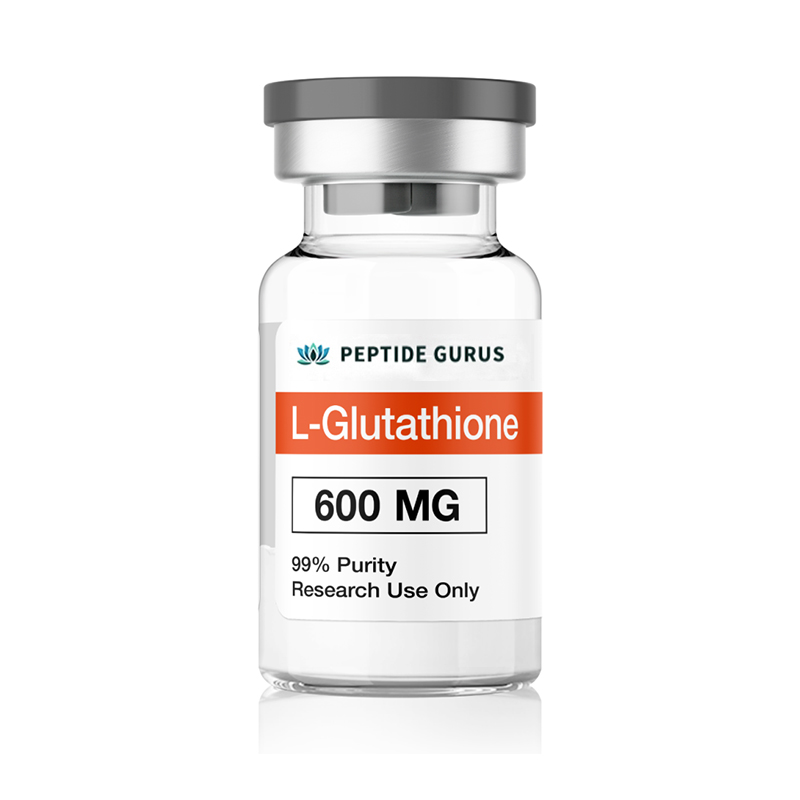
L-Glutathione 600mg

Categorieën:,

Contact om te bestellen
Mail ons nu om je bestelling te plaatsen met 1-op-1 ondersteuning. Beperkte voorraad! Wij accepteren Zelle, CashApp, Venmo, bankoverschrijving en crypto.
Beschikbaarheid:Verzendt vandaag indien besteld en betaaldom 12 uur PST. (Except Saturdays & Sundays)

Gratis verzending Voor bestellingen over$ 200

Bacteriostatisch water

Gratis (1) 30 ml bacteriostatisch water
met gekwalificeerde bestellingen over$ 500 USD. (sluit capsuleproducten, cosmetische peptiden, promotiecodes en verzending uit)

Glutathione is een krachtige anti-oxidant en regulator van een aantal biochemische processen. Het is overvloedig in menselijke weefsels, maar onderhevig aan afname met veroudering. Onderzoek toont aan dat glutathion kan helpen om neurodegeneratieve ziekte te verminderen, de gezondheid van het kraakbeen te bevorderen, leeftijdsgebonden veranderingen in het oog af te weren, de immuunfunctie te verbeteren en een meer jeugdige huid te behouden. Over het algemeen is er robuust bewijs dat glutathion een krachtige anti-verouderingsverbinding is met uitgebreide immuun- en gezondheidsvoordelen.
Productgebruik:Dit product is alleen bedoeld als een onderzoeks chemisch.Deze aanduiding maakt het gebruik van onderzoekschemicals strikt mogelijk voor alleen in vitro testen en laboratoriumexperimentatie. Alle productinformatie die op deze website beschikbaar is, is alleen voor educatieve doeleinden. Lichamelijke introductie van welke aard dan ook in mensen of dieren is ten strengste wettelijk verboden. Dit product mag alleen worden afgehandeld door erkende, gekwalificeerde professionals. Dit product is geen medicijn, voedsel of cosmetisch en is mogelijk niet verkeerd, misbruikt of misbruikt als medicijn, voedsel of cosmetisch.

L-glutathione

L-Glutathione is a short peptide composed of just cysteine, glutamate, and glycine. It occurs naturally throughout the body and acts primarily as an antioxidant and as a supportive agent to a number of processes in the central nervous system. Glutathione is especially important in the detoxification processes of the liver and as a free-radical scavenger in the brain. There is ample evidence to suggest that loss of glutathione can contribute to neurodegenerative diseases like Parkinson’s disease as well as diseases of the eye like cataracts and diabetic retinopathy. Reduced glutathione levels are thought to be both a consequence of aging as well as a contributor to the aging process. Chronic disease also reduces glutathione levels. Oral glutathione supplementation appears to be ineffective due to the breakdown of the peptide in the gastrointestinal system. Though much is made of oral supplementation with glutathione precursors like N-acetyl cysteine (NAC), research shows that glutathione levels tend to decrease with age due to a loss of production capacity (usually starting around middle age). This loss of production capacity, of course, limits the effectiveness of NAC and other precursors to generate glutathione. The best evidence indicates that glutathione is most effective when injected or inhaled via nasal preparations.

L-glutathione structuur

Moleculaire formule:C10H17N3O6SMolecuulgewicht:307.33 g/molPubChem CID: 124886 CAS NEE:170-18-8Alternatieve namen:Glutathione, isethion, gshMoleculeBron:Pubch

Glutathione is een antioxidant

L-Glutathione has long been recognized as one of the most important low-molecular weight antioxidants synthesized by cells of the body. By virtue of the sulfur contained in the cysteine component of GSH, it is able to remove potent free radicals, such as peroxides, nitrogen dioxide, HOCl, and a multitude of other toxins, from the body. It does this through a basic redox reaction, thus protecting cells, DNA, and extracellular matrix components from the damage done by free radicals. Glutathione not only neutralizes free radicals directly, but assists other antioxidants, such as vitamins C and E, in their roles as antioxidants[1]. Glutathione is found both inside cells and as a secreted substance in the extracellular matrix. It is found in very high levels in lung tissue, the brain, and the liver. It is synthesized in humans via a simple redox reaction as follows.De novo biosynthesis of GSHBron:PubMedGlutathione is zo belangrijk in het menselijk lichaam dat tekort is geassocieerd met een breed scala aan ziekten zoals diabetes, HIV, kanker en zelfs tuberculose. Onderzoek suggereert dat glutathionniveaus een belangrijke marker kunnen zijn voor de ernst en progressie van ziekten. Het meten van glutathion kan clinici een meer kwantitatief middel bieden om de prognose te beoordelen en de werkzaamheid en timing van verschillende interventies te bepalen [2]. Ondanks het begrijpen van de rol van glutathion bij veroudering en ziekte, is er geen routinematige middelen voor het meten en beoordelen van glutathionniveaus vastgesteld. Onderzoekers onderzoeken nu hoe het meten van dit eenvoudige peptide kritisch inzicht kan bieden in alles, van algehele gezondheid tot de werkzaamheid van specifieke behandelingen bij ziekten. In de nabije toekomst kan het meten van glutathionniveaus net zo alledaags en nuttig zijn als het meten van dingen zoals bloeddruk, cholesterol en bloedsuikerspiegels.

L-Glutathione's biologische rollen

While glutathione is best known for its antioxidant functions, the peptide does play other roles in the human body. It is an important, indeed required, molecule in the production of leukotrienes (inflammatory mediators) and prostaglandins. This makes it a potent regulator of certain immune responses as well as the inflammatory cascade. It is also a cofactor in a number of biochemical reactions and enhances the function of citrulline in the nitric oxide cycle. In other words, glutathione is an essential component of cellular metabolism and particularly important in regulating blood pressure and cardiac health. Glutathione is also critical to proper protein folding in the endoplasmic reticulum. Research shows that glutathione helps proteins to fold into the correct 3D shape to bind to receptors and function normally. It is particularly important in the formation of disulfide bonds. Though it is not the only mechanism that cells harbor to promote proper protein folding, glutathione is an important aspect of this cellular function and thus contributes heavily to the proper functioning of cells[3], [4]. There is currently some debate as to whether glutathione acts a neurotransmitter. It certainly modulates the redox states of things like the NMDA receptor (a function that would make it a neuromodulator). It also appears to activate ionotropic receptors as well as the purinergic P2X7 receptor on Muller cells. Muller cells are found in the retina where they maintain the structure and function of retinal cells. This includes the regulation of neurotransmitter levels. This, again, suggests that even if glutathione is not a neurotransmitter, it plays an important role in the regulation of neurotransmitters[5]. The world’s foremost expert on glutathione is Dr. Nayan Patel. In 2020 he wrote a book entitledDe glutathione revolutiewaarin hij de voordelen en veiligheid van glutathione -suppletie bespreekt. Hij vergelijkt oxidatie in het lichaam om te roesten, een toepasselijke analogie als er ooit een was. Glutathione is de belangrijkste roestbevestiging van het lichaam, waardoor alle negatieve gevolgen van oxidatie in het lichaam op dezelfde manier worden afgeschaft als de juiste zorg voor uw autoverdraagt ​​roest en de schadelijke effecten die het op alles heeft. Volgens Dr. Patel dalen de glutathionniveaus na de leeftijd van 40 met ongeveer 20%, waardoor we worden opgezet voor slechte prestaties, een verhoogd risico op ziekten en versnelde veroudering. De enige manier om dit tekort te overwinnen is door suppletie.

Een opmerking over de toediening van glutathion

Research shows that glutathione is not well absorbed from dietary sources or as a result of oral intake. It is thought that enzymes in the GI tract may break it apart before it can be absorbed. There is some evidence to suggest that curcumin, N-acetyl cysteine, and certain components of foods like broccoli and spinach may help to boost glutathione levels by providing more precursors for its synthesis or by directly upregulating the process of synthesis itself. Unfortunately, there is limited evidence to support the above options as being the optimal way to increase glutathione. While they do increase glutathione levels to some extent, the magnitude of their effect appears to be limited primarily because they cannot overcome the decrease in GSH levels that results from the loss of synthetic capacity. Research suggests that the only reliable way to significantly alter glutathione levels is to inject the peptide or to inhale it. Dr. Nayan Patel has developed a transdermal delivery system for glutathione, but it is not yet widely used.

L-glutathione en veroudering

Oxidative damage to cells is one of the leading components of both the visual signs of aging as well as aging processes like senescence (cellular/tissue aging), hormonal aging, metabolic aging, and DNA damage that led to both disease and dysfunction. Given the importance of glutathione in fighting against oxidative damage, it should come as no surprise that the peptide is critical to reducing the effects of aging. Of course, glutathione itself, as discussed, is subject to the effects of aging. With age comes a decrease in the capacity of most mammals to synthesize glutathione. Fortunately, supplementation is possible. Research, shows, however, that the best forms of glutathione supplementation are either injecting the peptide or inhaling it through a nasal preparation. Injection provides for the easiest administration of large doses of glutathione is the method most commonly used in research studies.Oxidative StressBron:OnderzoekThe graph above looks at ROS or free radical levels as a result of glutathione levels in standard mice versus mice that have been genetically modified to be prone to Alzheimer’s disease (AD). This reveals two things about glutathione. First, it shows that AD has an oxidative component. That is to say, it appears that at least part of the risk of developing AD comes down to defective eradication of free radicals in the central nervous system. The second thing that this graph shows is the increase in free radicals that occurs following a reduction in glutathione levels. Note that glutathione reduction occurs at roughly middle age and that the increase in free radicals is delayed but obvious. This same pattern has been shown to hold in humans. Somewhere between the ages of 30 and 40 our glutathione levels begin to drop. This is followed, after a delay of 5-10 years, but an increase in free radical levels. It is thought that this accounts for many of the aspects of aging that seem to accelerate at around age 50.

Glutathione en kanker

When it comes to cancer, glutathione appears to be both friend and foe. In the treatment of cancer, glutathione actually protects cancer cells from the effects of chemotherapy, scavenging them just as it would any other toxin or free radical. There is ongoing work to determine if it is possible to selectively reduce glutathione in tumor cells, thus making them more susceptible to chemotherapy[6]. Even though it was previously stated that oral glutathione supplementation is not very effective, research does suggest that it works in some settings. One of those settings is in preventing the development of skin cancer as a result of exposure to UV light. Studies in rats show that oral glutathione supplementation significantly reduces the risk of developing skin cancer following exposure to UV light[7]. This would suggest that, in addition to sunscreen, simply taking glutathione by mouth could be useful when out in the sun. The question remains if injection of the peptide would provide even greater protective effects. The role of glutathione in cancer is complex because, as pointed out, it has both beneficial and pathogenic functions. It is best to think of glutathione as being beneficial invoorkomenKanker maar problematisch wanneerbehandelingcancer. For instance, glutathione is critical in the removal and detoxification of carcinogens. Nowhere is this more evident than the lungs of smokers, where glutathione is depleted as it works overtime to remove nitrogen compounds from cigarette smoke. In this setting, glutathione supplementation can help to prevent the development of cancer. Once cancer develops, however, glutathione can promote tumor progression. In this setting, supplementation actually promotes metastasis but removing toxins that the body produces in an effort to kill cancer cells[8], [9]. In short, glutathione function is complex and context dependent. Scientists are actively working to understand how to best leverage glutathione to provide the best possible outcomes. What is clear, it seems, is that people who make efforts to avoid carcinogens and “live clean” probably benefit from the antioxidant effects of glutathione.

L-glutathione en de hersenen

Verlaagde glutathionniveaus worden geassocieerd met de gemeenschappelijke tekenen van veroudering en ernstigere aandoeningen zoals neurodegeneratieve ziekte. In het bijzonder speelt glutathione pathologie een prominente en misschien cruciale rol bij het begin van de ziekte van Parkinson (PD). Nieuw onderzoek geeft aan dat glutathion een krachtige bemiddelaar is van een proces dat ijzerafhankelijke celdood of ferroptosis wordt genoemd. Zonder glutathion loopt dit type geprogrammeerde celdood ongecontroleerd in cellen van het centrale zenuwstelsel, wat voortijdig veroudering veroorzaakt en bijdraagt ​​aan de ontwikkeling van neurodegeneratieve ziekte. Overvloedig onderzoek toont aan dat suppletie met glutathion of zijn voorlopers (bijv. N-acetylcysteïne) vooral nuttig is bij het compenseren van neurologische veroudering [10].The basic mechanism of ferroptotic cell deathBron:PubMedThe role of glutathione in the brain is also made obvious by the decline in glutathione levels with age. Research shows that while glutathione levels decline throughout the body with age, a result of a diminished capacity for production, levels decline most dramatically in the brain. This makes the brain more susceptible to both Parkinson’s disease and damage following stroke or other insult[11]. The decline in glutathione levels in the brain is particularly critical in times of stress. Mild stress normally induces an increase in glutathione production to protect against more severe stress, but the decline in synthetic capacity with age erodes this response. Thus, the older we get, the more susceptible we are to stress-induced neuronal damage. Offsetting this with N-acetyl cysteine supplementation is only partially effective because the synthetic machinery itself is compromised with age. Thus, research suggests that directly injecting (or inhaling) glutathione is the best way to boost levels of this antioxidant and prevent stress-related damage to the central nervous system.

L-glutathione en het oog

Perhaps the best-known role of glutathione is in the retina of the eye where it acts both as an antioxidant and as a supportive agent to Muller cells. Muller cells are cells within the retina that support the health and function of retinal neurons. Mujller cells, also called Muller glia, mediate acetylcholine and GABA neurotransmitter degradation, help to funnel light to retinal cells, and maintain the nutrient supply and waste removal of retinal cells. They are critical to eyesight and the long-term health of the retina, protecting the eye against everything from viral infection to diabetic retinopathy[12]. Glutathione is also an important component of lens health where it maintains protein thiols in their reduced state and thus maintains the normal light-scattering properties of the eye. A reduction in glutathione levels in the lens has been associated with cataract formation as well as changes in the permeability of the lens that make it harder for nutrient exchange to occur[13], [14]. Research shows that glutathione plays a critical role in protecting visual acuity and supporting retinal health. Combined with other anti-oxidants, research in animal models shows that glutathione supplementation (in this case delivered in the form of eye drops) can reduce oxidative stress in the eye and slow the typical changes that occur with aging such as cataracts and loss of visual acuity[15]. Supplementation with glutathione thus appears to support long-term health of all aspects of the eye including the retina, lens, and cornea. Research suggests that glutathione may help to ward off both ocular diseases as well as the “normal” effects of aging on the eye. Researchers are currently working on a topical (i.e., drop-based) delivery system for direct delivering of the peptide to the eye, but injected and inhaled glutathione likely provide benefit to the eye as well.

L-glutathione en kraakbeengezondheid

Een van de onderliggende oorzaken van artrose (de artritis slijtage) is het onvermogen van cellen die de gezondheid van het kraakbeen houden zich aan te passen aan stress. Onderzoek toont aan dat glutathione een belangrijke rol speelt in dit proces. Interessant is dat suppletie niet het enige middel is om de glutathionfunctie in kraakbeen te maximaliseren. Onderzoek in koeien geeft zelfs aan dat suppletie slechts een deel van het antwoord op een gezond kraakbeen is. Het andere deel van het antwoord is het lossen van het kraakbeen. Met andere woorden, rustende gewrichten is van cruciaal belang voor het verhogen van de glutathionniveaus erin. Het beste onderzoek geeft aan dat het induceren van oxidantstress, zoals door zorgvuldige oefeningen, gevolgd door de juiste rustverhoging van glutathionniveaus in onze gewrichten en het verouderingsproces in kraakbeen vertraagt ​​[16].

L-glutathione en huid

Onderzoek toont aan dat glutathionsuppletie gunstig is bij het verminderen van de uiterlijke tekenen van veroudering, met name in de huid. Van een gematigde dosis glutathione, gegeven gedurende 12 weken, is aangetoond dat het het uiterlijk van rimpels vermindert, de huidelasticiteit verbetert en foto-veroudering vermindert. Suppletie leidt tot minder leeftijdsvlekken en algehele "lichtere" huid als gevolg van het verminderen van melaninesynthese [17], [18]. Verminderde melaninesynthese draagt ​​ook bij aan een vermindering van de incidentie van huidkanker.

Glutathione en het immuunsysteem

The immune system is exceptionally sensitive to glutathione levels. What is interesting is that there is little evidence to suggest that glutathione supplementation is beneficial in health, but ample evidence to suggest a massive benefit in the setting of disease. For instance, glutathione supplementation (or NAC supplementation) has been shown to significantly boost immune function in individuals with HIV[19]. This odd function of glutathione has prompted some people to suggest that supplementing during times of health is either pointless or even detrimental to the immune system. This isnietwhat the research shows. Rather, it is better to think of it this way. Glutathione supplementation has no apparent effect on the immune system in health, but it does benefit in the setting of disease, even in the setting of simple viral illnesses. Thus, supplementing is of net benefit because we never know when we are going to catch a cold and being “stocked up” on glutathione puts our immune system in the best position to respond to infection. The reason for this odd behavior likely comes down to the fact that the immune system is relatively quiescent when we are well but ramps up production of disease-fighting cells and antibodies very rapidly in response to disease. Thus, the immune system is doing very little work and thus requires very little antioxidant capacity when it is at rest. When disease presents itself, however, the immune system requires vast amounts of antioxidant capacity and thus benefits substantially from higher levels of glutathione. In fact, supplementation with glutathione does appear to elevate storage levels and provide a kind of bugger against disease. A pilot study of liposomal glutathione in humans found that supplementation increases stores of glutathione. This, in turn, improves the function of natural killer cells (which are surveillance cells that help to ward off disease) and increases the ability of lymphocytes to proliferate[20]. In other words, glutathione supplementation during good health primes the immune system for a robust response when it is confronted with a challenge.

L-glutathione samenvatting

Glutathione is a potent anti-oxidant and regulator of a number of biochemical processes. It is abundant in human tissues, but subject to decline with aging. Research shows that glutathione can help to reduce neurodegenerative disease, promote cartilage health, ward off age-related changes in the eye, improve immune function, and maintain more youthful skin. Overall, there is robust evidence that glutathione is a potent anti-aging compound with extensive immune and health benefits. Glutathione exhibits minimal side effects, low oral and excellent subcutaneous bioavailability in mice. Per kg dosage in mice does not scale to humans. Glutathione for sale at
Peptidegoeroesis alleen beperkt tot educatief en wetenschappelijk onderzoek, niet voor menselijke consumptie. Koop alleen glutathione als u een erkende onderzoeker bent.
De bovenstaande literatuur werd onderzocht, bewerkt en georganiseerd door Dr. E. Logan, M.D. Dr. E. Logan behaalde een doctoraat vanCase Western Reserve University School of Medicineen een B.S. in moleculaire biologie.

Wetenschappelijke tijdschrift Auteur

Nayan Patel, Pharm.Dis globally regarded as the foremost go-to expert on absorbable forms of glutathione, and holds the only patent on transdermal glutathione. Patel is an internationally renowned educator, consultant, lecturer, and leading expert on the “master antioxidant” glutathione. In addition to many other topics such as cellular function and hormone replacement, Patel is a highly sought after global authority on the critical role in that glutathione, and all other antioxidants and endogenous molecules play in the body. Along with traveling the world educating practitioners on advanced biochemistry and anti-aging science, Dr. Patel also serves as adjunct faculty at the University of Southern California School of Pharmacy where he is also an alumnus.He is also co-inventor of a revolutionary patented technologythat delivers glutathione through the water channels of the skin, via a sub-nano molecular delivery mechanism. Until now, the lack of an effective way of delivering glutathione into our bodies has kept glutathione from being accessible to most of the world. This new discovery helped solidify Patel’s standing as a true stand out in the arena of cutting edge knowledge surrounding Glutathione. Dr. Nayan Patel is being referenced as one of the leading scientists involved in the research and development of Glutathione. In no way is this doctor/scientist endorsing or advocating the purchase, sale, or use of this product for any reason. There is no affiliation or relationship, implied or otherwise, between
Peptidegoeroesen deze dokter. Het doel van het citeren van de arts is om de uitputtende onderzoeks- en ontwikkelingsinspanningen van de wetenschappers die dit peptide bestuderen te erkennen, te erkennen en te crediteren.

Vermeld citaten

    H. J. Forman, H. Zhang, and A. Rinna, “Glutathione: overview of its protective roles, measurement, and biosynthesis,”Mol. Aspects Med., vol. 30, no. 1–2, pp. 1–12, Apr. 2009, doi: 10.1016/j.mam.2008.08.006. G. Teskeyet al., “Glutathione as a Marker for Human Disease,”Adv. Clin. Chem., vol. 87, pp. 141–159, 2018, doi: 10.1016/bs.acc.2018.07.004. S. Tsunodaet al., “Intact protein folding in the glutathione-depleted endoplasmic reticulum implicates alternative protein thiol reductants,”eLife, vol. 3, p. e03421, Jul. 2014, doi: 10.7554/eLife.03421. D. A. Hudson, S. A. Gannon, and C. Thorpe, “Oxidative protein folding: from thiol-disulfide exchange reactions to the redox poise of the endoplasmic reticulum,”Free Radic. Biol. Med., vol. 80, pp. 171–182, Mar. 2015, doi: 10.1016/j.freeradbiomed.2014.07.037. H. R. Freitas and R. A. de M. Reis, “Glutathione induces GABA release through P2X7R activation on Müller glia,”Neurogenesis, vol. 4, no. 1, p. e1283188, Feb. 2017, doi: 10.1080/23262133.2017.1283188. J. H. Wu and G. Batist, “Glutathione and glutathione analogues; therapeutic potentials,”Biochim. Biophys. Acta, vol. 1830, no. 5, pp. 3350–3353, May 2013, doi: 10.1016/j.bbagen.2012.11.016. T. S. Nagapan, W. N. Lim, D. F. Basri, and A. R. Ghazali, “Oral supplementation of L-glutathione prevents ultraviolet B-induced melanogenesis and oxidative stress in BALB/c mice,”Exp. Anim., vol. 68, no. 4, pp. 541–548, Nov. 2019, doi: 10.1538/expanim.19-0017. A. Bansal and M. C. Simon, “Glutathione metabolism in cancer progression and treatment resistance,”J. Cell Biol., vol. 217, no. 7, pp. 2291–2298, Jul. 2018, doi: 10.1083/jcb.201804161. N. Traversoet al., “Role of glutathione in cancer progression and chemoresistance,”Oxid. Med. Cell. Longev., vol. 2013, p. 972913, 2013, doi: 10.1155/2013/972913. T. Homma and J. Fujii, “Application of Glutathione as Anti-Oxidative and Anti-Aging Drugs,”Curr. Drug Metab., vol. 16, no. 7, pp. 560–571, 2015, doi: 10.2174/1389200216666151015114515. P. Maher, “The effects of stress and aging on glutathione metabolism,”Ageing Res. Rev., vol. 4, no. 2, pp. 288–314, May 2005, doi: 10.1016/j.arr.2005.02.005. E. Ganea and J. J. Harding, “Glutathione-related enzymes and the eye,”Curr. Eye Res., vol. 31, no. 1, pp. 1–11, Jan. 2006, doi: 10.1080/02713680500477347. V. N. Reddy, “Glutathione and its function in the lens–an overview,”Exp. Eye Res., vol. 50, no. 6, pp. 771–778, Jun. 1990, doi: 10.1016/0014-4835(90)90127-g. V. N. Reddy and F. J. Giblin, “Metabolism and function of glutathione in the lens,”Ciba Found. Symp., vol. 106, pp. 65–87, 1984, doi: 10.1002/9780470720875.ch5. M. A. Babizhayev, “New concept in nutrition for the maintenance of the aging eye redox regulation and therapeutic treatment of cataract disease; synergism of natural antioxidant imidazole-containing amino acid-based compounds, chaperone, and glutathione boosting agents: a systemic perspective on aging and longevity emerged from studies in humans,”Am. J. Ther., vol. 17, no. 4, pp. 373–389, Aug. 2010, doi: 10.1097/MJT.0b013e3181d6b6c3. S. Zhu, D. Makosa, B. F. Miller, and T. M. Griffin, “Glutathione as a Mediator of Cartilage Oxidative Stress Resistance and Resilience During Aging and Osteoarthritis,”Connect. Tissue Res., vol. 61, no. 1, pp. 34–47, Jan. 2020, doi: 10.1080/03008207.2019.1665035. S. Weschawalit, S. Thongthip, P. Phutrakool, and P. Asawanonda, “Glutathione and its antiaging and antimelanogenic effects,”Clin. Cosmet. Investig. Dermatol., vol. 10, pp. 147–153, 2017, doi: 10.2147/CCID.S128339. W. Dilokthornsakul, T. Dhippayom, and P. Dilokthornsakul, “The clinical effect of glutathione on skin color and other related skin conditions: A systematic review,”J. Cosmet. Dermatol., vol. 18, no. 3, pp. 728–737, Jun. 2019, doi: 10.1111/jocd.12910. W. Dröge and R. Breitkreutz, “Glutathione and immune function,”Proc. Nutr. Soc., vol. 59, no. 4, pp. 595–600, Nov. 2000, doi: 10.1017/s0029665100000847. R. Sinhaet al., “Oral supplementation with liposomal glutathione elevates body stores of glutathione and markers of immune function,”Eur. J. Clin. Nutr., vol. 72, no. 1, pp. 105–111, Jan. 2018, doi: 10.1038/ejcn.2017.132.
Alle artikelen en productinformatie op deze website zijn alleen voor informatieve en educatieve doeleinden.De producten die op deze website worden aangeboden, zijn alleen ingericht voor in-vitro-studies. In-vitro-onderzoeken (Latijn: in glas) worden buiten het lichaam uitgevoerd. Deze producten zijn geen medicijnen of medicijnen en zijn niet goedgekeurd door de FDA om een ​​medische aandoening, kwaal of ziekte te voorkomen, te behandelen of te genezen. Lichamelijke introductie van welke aard dan ook in mensen of dieren is ten strengste wettelijk verboden.

Aanvraag aanvragen

Over ons

Peptidegurus is een toonaangevende leverancier van Amerikaanse onderzoekspeptiden en biedt producten van topkwaliteit tegen concurrerende prijzen. Met een focus op excellentie en klantenservice, zorgen ze voor een veilig en handig bestelproces met wereldwijde verzending.

Vraag een citaat aan

  • Peptidegoeroes
  • info@peptidegurus.com
  • Glendale, het is, VS
  • CONTACT

    Aanvraag aanvragen