
• gonadorelin peptide benefits and side effects
gonadorelin peptide benefits and side effects
X
gonadorelin peptide benefits and side effects

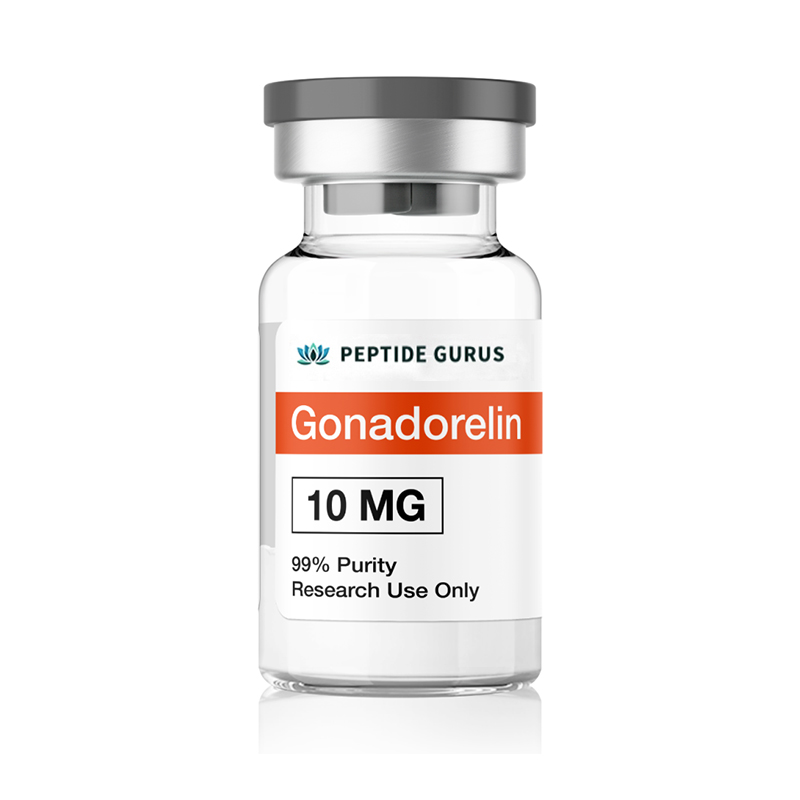
Gonadorelin 10mg

Categorieën:,

Contact om te bestellen
Mail ons nu om je bestelling te plaatsen met 1-op-1 ondersteuning. Beperkte voorraad! Wij accepteren Zelle, CashApp, Venmo, bankoverschrijving en crypto.
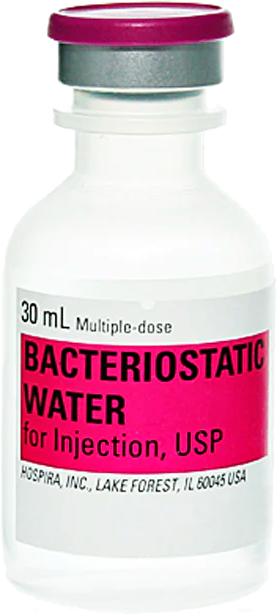
Bacteriostatisch water

Gratis (1) 30 ml bacteriostatisch water
met gekwalificeerde bestellingen over$ 500 USD. (sluit capsuleproducten, cosmetische peptiden, promotiecodes en verzending uit)

Gonadorelin is een gonadotropine die hormoonagonist vrijgeeft die voordelen heeft aangetoond bij de behandeling van onvruchtbaarheid en hypogonadisme. Recent onderzoek suggereert dat gonadoreline nuttig kan zijn bij het vertragen van de groei van borst- en prostaatkanker. Studies tonen ook veelbelovend bij de behandeling van de ziekte van Alzheimer.
Productgebruik:Dit product is alleen bedoeld als een onderzoeks chemisch.Deze aanduiding maakt het gebruik van onderzoekschemicals strikt mogelijk voor alleen in vitro testen en laboratoriumexperimentatie. Alle productinformatie die op deze website beschikbaar is, is alleen voor educatieve doeleinden. Lichamelijke introductie van welke aard dan ook in mensen of dieren is ten strengste wettelijk verboden. Dit product mag alleen worden afgehandeld door erkende, gekwalificeerde professionals. Dit product is geen medicijn, voedsel of cosmetisch en is mogelijk niet verkeerd, misbruikt of misbruikt als medicijn, voedsel of cosmetisch.

Wat is Gonadorelin?

Gonadorelin (GnRH) is een decapeptide gonadotropine-releasing hormoonagonist. Het stimuleert de synthese en afgifte van luteïniserend hormoon en follikelstimulerend hormoon. Het wordt in de menselijke geneeskunde gebruikt om onvruchtbaarheid, onregelmatigheden van de menstruatiecyclus en hypogonadisme te behandelen. Het wordt ook gebruikt als een diagnostisch middel bij het beoordelen van de hypofyse. Lopend onderzoek heeft potentieel gebruik gevonden voor gonadoreline bij de behandeling van borst- en prostaatkanker en de ziekte van Alzheimer.

Gonadorelin -structuur

Gonadorelin StructureBron:Pubch Reeks:Pyr-His-Trp-Ser-Tyr-Gly-Leu-Arg-Pro-GlyMoleculaire formule:C55H75N17O13 Molecuulgewicht:1182.311 g/molPubChem CID: 638793 CAS -nummer:9034-40-6Synoniemen:Groeihormoon vrijgevende factor, somatocrinine, somatoliberine

Gonadorelin -effecten

Gonadorelin onderzoek en preventie van borstkanker

Research suggests that having a higher life-time exposure to estrogen may increase a woman’s chance of developing breast cancer. Women who start their period at a younger age, go through menopause at a later age, take estrogen-containing birth control, or have menopausal hormone replacement therapy all have a higher risk of developing breast cancer. Thankfully, in the case of birth control, the risk diminishes when the pills are no longer taken and eventually the increased risk returns to baseline. Of course, birth control is a double-edged sword because even though its use increases risk of breast cancer, it decreases risk of ovarian cancer. Some breast cancer cells require estrogen to grow and minimizing estrogen production or blocking estrogen receptors has long been an established method for treating certain forms of breast cancer. Research into gonadorelin shows that it can be used to suppress ovarian production of estrogen and that this may be a means of preventing breast cancer in the first place. This concept is based on the idea that some women, due to genetic and environmental factors, are at higher risk of developing breast cancer in their postmenopausal years. The use of gonadorelin in this setting is safe and cost-effective, making it an attractive means of reducing cancer burden[1]. Onderzoek suggereert dat het gebruik van gonadoreline gedurende 10 jaar het risico op borstkanker met maar liefst 50% kan verminderen en dat het gebruik ervan gedurende 15 jaar het risico met 70% kan verminderen[2]. The benefits of gonadorelin do not stop at breast cancer prevention, however, Research indicates that adjuvant therapy with anti-estrogens reduces disease progression by as much as 50% in cases where cancer is sensitive to estrogen. Unfortunately, currently available treatments are limited in their efficacy because cancer cells tend to develop resistance to them over time. This resistance usually arises as a result of increased estrogen receptor expression, making it impossible to block every estrogen receptor without severe side effects. Gonadorelin could circumvent this problem by reducing estrogen expression in the first place. This would not only directly reduce growth of estrogen-sensitive cancer, it would boost the efficacy of receptor blocking medications and extend their useful lifespan[3]. Research in postmenopausal women with hyperandrogenism (too much estrogen) has revealed that long-term GnRH treatment reduces overall levels of estrogen and thus the risk of developing breast cancer. It does so without serious side effects and thus offers an alternative to the current therapy, which is surgical removal of the ovaries[4].

Gonadorelin Een doorbraak bij prostaatkanker

Ondanks wat we door populaire media worden geleid, is prostaatkanker eigenlijk de meest hormoongevoelige van alle kankers. Dit lijkt misschien problematisch, maar het is eigenlijk een kans voor interventie. Kortom, door het aanbod van testosteron en zijn derivaten aan prostaatkanker af te snijden, is het mogelijk om de groei dramatisch te vertragen en zelfs helemaal te stoppen. De uitdaging is natuurlijk om alle hormoonstroom af te snijden. Dit leidde aanvankelijk tot de chirurgische verwijdering van de testikels bij mannen met agressieve prostaatkanker, een procedure die snel werd vervangen door gonadorelin -toediening toen het net zo effectief en mogelijk omkeerbaar werd gevonden[5]. The use of GnRH in men suffering from prostate cancer began as far back as 1979 and was referred to as medical castration. This mode of treatment eventually led to an interesting finding, however, which is that some androgens are made locally in the prostate via a mechanism called intracrinology[6]. Dit betekent natuurlijk dat GnRH -blokkade slechts gedeeltelijk effectief is bij de behandeling van prostaatkanker. Met behulp van Gonadorelin konden wetenschappers twee nieuwe medicijnen ontwikkelen die door de FDA zijn geaccepteerd voor de behandeling van castratie-resistente prostaatkanker (CRPC). Deze medicijnen zijn zeer belangrijk en bieden een nieuwe verdedigingslinie tegen progressie van prostaatkanker en metastase. Ze kunnen uiteindelijk zelfs gebruik vinden als preventieven bij oudere mannen[7]. The use of both gonadorelin and newer, localized drugs in the treatment of prostate cancer is referred to as combined androgen blockage (CAB). When combined with effective screening and early detection, CAB is one of the few therapies in the realm of oncology to offer a cure – not just remission, but a cure[8]. Wanneer effectief gebruikt en gecombineerd met vroege detectie, maakt CAB het mogelijk om 99% van alle prostaatkanker te genezen.De impact van gonadoreline en GnRH -analogen op testosteronniveausThe impact of gonadorelin and GnRH analogues on testosterone levels Source:PubMed

Gonadorelin kan het risico op dementie verminderen

Onderzoek geeft aan dat geslachtshormonen, met name leuteiniserend hormoon (LH), op de hersenen handelen op een manier die ruim buiten het bereik van seksueel dimorfisme of reproductief vermogen valt. In feite is de bijbehorende stijging van LH die optreedt met de menopauze gecorreleerd met een verhoogde incidentie van de ziekte van Alzheimer en verminderde geheugenprestaties bij zowel mensen als dieren. Zorgvuldig onderzoek bij ratten blijkt verder dat LH rechtstreeks op de hippocampus, het primaire geheugencentrum in de hersenen werkt. Ratten die LH krijgen, vertonen een verminderde geheugenprestaties en hippocampus -disfunctie, een tekort dat omgekeerd is door toediening van een LH -blokkeergeneesmiddel[9]. Further research on LH has revealed that higher levels of the hormone are associated with increased neuropathology. In particular, it has been revealed that LH promotes the development of plaques associated with Alzheimer’s[10]. Het is logisch dat het verlagen van LH -niveaus kan helpen de progressie van de ziekte van Alzheimer te verminderen. Dit is geboren, althans gedeeltelijk, in muismodellen die aantonen dat het verwijderen van de LH -receptor in de hersenen de amyloïde pathologie verbetert en helpt de gezondheid van cellen zoals astrocyten te behouden, die neuronen ondersteunen en beschermen[11]. As it turns out, testosterone is beneficial to brain health and actually helps to preserve cognitive function. Thus, simply blocking the entire hypothalamic-pituitary-gondal axis is not necessarily an effective means of treating Alzheimer’s disease. That is why scientists have set out to test gonadorelin derivatives to discern if selective interference in LH production is possible and can have potential benefits. This research, while ongoing, has led to the understanding that leuprolide (a common medication used to treat uterine fibroids and a GnRH receptor agonist) is effective in decreasing the risk of Alzhimer’s compared to other gonadorelin analogues[12]. Lopend onderzoek kan helpen om te bepalen waarom dit het geval is, maar het is belangrijk op te merken dat mannen die een zeer effectieve cabine -behandeling tegen prostaatkanker willen gebruiken, niet hoeven te kiezen tussen kanker en de ziekte van Alzheimer. Leuprolide kan in deze instelling worden gebruikt om de risico's van CAB te compenseren met betrekking tot de ziekte van Alzheimer. In het bijzonder is het vermogen van Leuprolide om niveaus van serumgonadotrofines (met name LH) in het down-reguleren in het algemeen voldoende te zijn om de effecten van verminderd testosteron te compenseren[13]. New research is seeking to understand how gonadorelin and its analogues affect APOE and MS4A6A expression in Alzheimer’s disease. Both genetic loci are associated with late-onset Alzheimer’s disease, but research suggests that they need to operate in tandem to produce serious problems and that interfering with one gene loci or the other is enough to short-circuit the pathway to pathology. Gonadorelin affects this process of tandem interaction, but it isn’t clear how or why[14]. Op dit moment werken onderzoekers om te begrijpen hoe de interactie van genen bij de ziekte van Alzheimer kan worden onderbroken om de aandoening te behandelen en te voorkomen. Gonadorelin is een belangrijk peptide in dat onderzoek.

Gonadorelin onderzoek

Gonadorelin is hardly a new peptide in the treatment of human and mammalian disease, but researchers are constantly uncovering new ways in which GnRH and GnRH analogues operate in both normal physiology as well as the development of disease. The discovery that gonadorelin can play a role in treating prostate cancer was a breakthrough that has allowed doctors to develop a cure so effective that fully 99% of people with prostate cancer can be cured if the disease is caught early enough. It looks like similar breakthroughs are on the horizon with the finding the gonadorelin and its down-stream hormones are substantial players in the pathways that lead to Alzheimer’s disease risk. Gonadorelin exhibits minimal side effects, low oral and excellent subcutaneous bioavailability in mice. Per kg dosage in mice does not scale to humans. Gonadorelin for sale at
Peptidegoeroesis alleen beperkt tot educatief en wetenschappelijk onderzoek, niet voor menselijke consumptie. Koop alleen Gonadorelin als u een erkende onderzoeker bent.

Artikelauteur

De bovenstaande literatuur werd onderzocht, bewerkt en georganiseerd door Dr. Logan, M.D. Dr. Logan behaalde een doctoraat vanCase Western Reserve University School of Medicineen een B.S. in moleculaire biologie.

Wetenschappelijke tijdschrift Auteur

Dr. Giorgio Secretocurrently studies at the IRCCS National Cancer Institute in Italy. His accolades include, a 1963 High School degree, Maturità Classica 1969 Degree in Medicine and Surgery, University of Milan, Italy 1974 Degree Specialist in Endocrinology, University of Turin, Italy. Doctor Secreto has been working at the National Cancer Institute of Milan since 1970 up to now, after his retirement in December 2010. The role of androgens in breast cancer is his main field of study. He has been teacher at the Italian School of Senology (1989-1996), Associate Professor in Oncology, L.U.de.S. University, Lugano, Switzerland (1999-2008), and Associate Professor in Endocrinology, Nurses’ School, University of Milan (2003-2008). He is active member of the New York Academy of Sciences and the American Association for the Advancement of Sciences. He published about 100 papers, including a few that pertain to GnRH’s effects on the reduction of breast cancer via minimizing excessive androgens. Dr. Giorgio Secreto is being referenced as one of the leading scientists involved in the research and development of Gonadorelin. In no way is this doctor/scientist endorsing or advocating the purchase, sale, or use of this product for any reason. There is no affiliation or relationship, implied or otherwise, between
Peptidegoeroesen deze dokter. Het doel van het citeren van de arts is om de uitputtende onderzoeks- en ontwikkelingsinspanningen van de wetenschappers die dit peptide bestuderen te erkennen, te erkennen en te crediteren. Doctor Secreto wordt vermeld in [1] en [3] onder de citaten van de verwezen.

Vermeld citaten

    G. Secreto et al., “A novel approach to breast cancer prevention: reducing excessive ovarian androgen production in elderly women,” Breast Cancer Res. Treat., vol. 158, no. 3, pp. 553–561, 2016. D. V. Spicer and M. C. Pike, “Sex steroids and breast cancer prevention,” J. Natl. Cancer Inst. Monogr., no. 16, pp. 139–147, 1994. G. Secreto, P. Muti, M. Sant, E. Meneghini, and V. Krogh, “Medical ovariectomy in menopausal breast cancer patients with high testosterone levels: a further step toward tailored therapy,” Endocr. Relat. Cancer, vol. 24, no. 11, pp. C21–C29, 2017. E. S. Vollaard, A. P. van Beek, F. A. J. Verburg, A. Roos, and J. A. Land, “Gonadotropin-releasing hormone agonist treatment in postmenopausal women with hyperandrogenism of ovarian origin,” J. Clin. Endocrinol. Metab., vol. 96, no. 5, pp. 1197–1201, May 2011. F. Labrie, “Hormonal therapy of prostate cancer,” Prog. Brain Res., vol. 182, pp. 321–341, 2010. F. Labrie, “GnRH agonists and the rapidly increasing use of combined androgen blockade in prostate cancer,” Endocr. Relat. Cancer, vol. 21, no. 4, pp. R301-317, Aug. 2014. F. Labrie, “Combined blockade of testicular and locally made androgens in prostate cancer: a highly significant medical progress based upon intracrinology,” J. Steroid Biochem. Mol. Biol., vol. 145, pp. 144–156, Jan. 2015. F. Labrie, “[Keyrole of endocrinology in the victory against prostate cancer],” Bull. Cancer (Paris), vol. 93, no. 9, pp. 949–958, Sep. 2006. V. Burnham, C. Sundby, A. Laman-Maharg, and J. Thornton, “Luteinizing hormone acts at the hippocampus to dampen spatial memory,” Horm. Behav., vol. 89, pp. 55–63, 2017. C. V. Rao, “Involvement of Luteinizing Hormone in Alzheimer Disease Development in Elderly Women,” Reprod. Sci. Thousand Oaks Calif, vol. 24, no. 3, pp. 355–368, 2017. J. Lin et al., “Genetic ablation of luteinizing hormone receptor improves the amyloid pathology in a mouse model of Alzheimer disease,” J. Neuropathol. Exp. Neurol., vol. 69, no. 3, pp. 253–261, Mar. 2010. R. L. Bowen, T. Butler, and C. S. Atwood, “Not All Androgen Deprivation Therapies Are Created Equal: Leuprolide and the Decreased Risk of Developing Alzheimer’s Disease,” J. Clin. Oncol., vol. 34, no. 23, p. 2800, Aug. 2016. M. A. Smith, R. L. Bowen, R. Q. Nguyen, G. Perry, C. S. Atwood, and A. A. Rimm, “Putative Gonadotropin-Releasing Hormone Agonist Therapy and Dementia: An Application of Medicare Hospitalization Claims Data,” J. Alzheimers Dis. JAD, vol. 63, no. 4, pp. 1269–1277, 2018. A. Cáceres, J. E. Vargas, and J. R. González, “APOE and MS4A6A interact with GnRH signaling in Alzheimer’s disease: Enrichment of epistatic effects,” Alzheimers Dement. J. Alzheimers Assoc., vol. 13, no. 4, pp. 493–497, Apr. 2017.
Alle artikelen en productinformatie op deze website zijn alleen voor informatieve en educatieve doeleinden.De producten die op deze website worden aangeboden, zijn alleen ingericht voor in-vitro-studies. In-vitro-onderzoeken (Latijn: in glas) worden buiten het lichaam uitgevoerd. Deze producten zijn geen medicijnen of medicijnen en zijn niet goedgekeurd door de FDA om een ​​medische aandoening, kwaal of ziekte te voorkomen, te behandelen of te genezen. Lichamelijke introductie van welke aard dan ook in mensen of dieren is ten strengste wettelijk verboden.

Aanvraag aanvragen

Over ons

Peptidegurus is een toonaangevende leverancier van Amerikaanse onderzoekspeptiden en biedt producten van topkwaliteit tegen concurrerende prijzen. Met een focus op excellentie en klantenservice, zorgen ze voor een veilig en handig bestelproces met wereldwijde verzending.

Vraag een citaat aan

  • Peptidegoeroes
  • info@peptidegurus.com
  • Glendale, het is, VS
  • CONTACT

    Aanvraag aanvragen