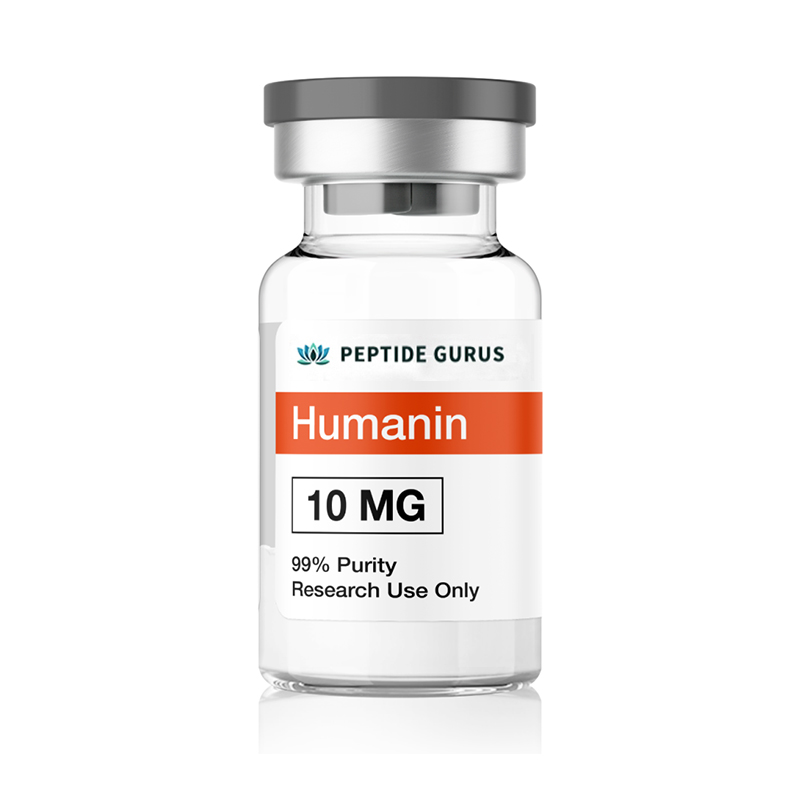
Mail ons nu om je bestelling te plaatsen met 1-op-1 ondersteuning. Beperkte voorraad! Wij accepteren Zelle, CashApp, Venmo, bankoverschrijving en crypto.
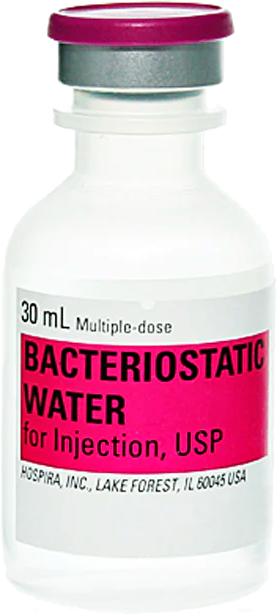
Gratis (1) 30 ml Bacteriostatisch Water with qualified orders over $500 USD.
(excludes capsule products, cosmetic peptides, promo codes and shipping)
Product Usage: This PRODUCT IS INTENDED AS A RESEARCH CHEMICAL ONLY. This designation allows the use of research chemicals strictly for in vitro testing and laboratory experimentation only. All product information available on this website is for educational purposes only. Bodily introduction of any kind into humans or animals is strictly forbidden by law. This product should only be handled by licensed, qualified professionals. This product is not a drug, food, or cosmetic and may not be misbranded, misused or mislabled as a drug, food or cosmetic.
Humanin -overzicht
Humanine is een natuurlijk voorkomend micro-peptide dat uniek is voor het feit dat het is gecodeerd in het mitochondriale DNA (mitochondria bevatten een kleine hoeveelheden DNA die alleen exclusief voor hen is). Het functioneert als een cytoprotectief eiwit, waarbij cellen worden beschermd tegen het proces van apoptose (geprogrammeerde celdood) via interferentie met de normale werking van het Bcl2-geassocieerde X-eiwit (BAX). Variaties van humanine zijn gevonden in een aantal zoogdieren van mensen tot ratten en zijn sterk geconserveerd tussen soorten [1]. Onderzoek toont aan dat humanine belangrijk is bij het beschermen van neuronen, hartweefsel, spiercellen, het netvlies van het oog en de voering van bloedvaten.
Unlike standard peptides and proteins, which are produced through posttranslational modification of larger peptides, micro-peptides are produced by short, open reading frames (sORFs) and do not undergo modification once they are produced. Ranging in size from 100-150 amino acids in length, sORFs were originally overlooked by researchers convinced that all peptides were produced by the same process of DNA to RNA to protein to modified protein. No one considered that the last step, modification, could be disregarded entirely.
In humans, a number of sORFs have been identified. Their functions range from enhancing mRNA processing to helping to repair DNA damage and interacting with other proteins to create complex macro-proteins. Humanin, one of the smallest micro-peptides known to date, is just 24 amino acids in length. It interacts with the Bcl2-associated X protein (Bax) to regulate apoptosis, blocking the function of Bax when necessary to preserve cells that would otherwise be destroyed.
Neuroprotectie
Research in rats indicates that humanin protects not just against apoptosis, but against programmed cell death in specific situations. In particular, the micro-peptide has been shown to protect neurons in the setting of Alzheimer’s disease, preventing the cell death that is induced by beta-amyloid plaque build-up[3]. Research shows that the peptide protects against excitotoxic neuron death in experiments using NMDA pulses[1].
Similar results to the above experiments were obtained when investigating neuron death occurring secondary to prion disease[4]. There is hope that this function of humanin can be exploited to slow or even halt neurodegenerative diseases like Alzheimer’s disease and other forms of dementia. Though it does not strike at the heart of the conditions (e.g. the formation of amyloid plaques in Alzheimer’s disease) humanin could be critical in tipping the delicate physiologic balance that plays out in these conditions, favoring the suspension of apoptosis[5].
Humanin appears to protect neurons through two different mechanisms, both of which have the ultimate function of preventing mitochondria from activating the apoptosis pathway. Under normal circumstances, the Bcl-2 family of proteins signal the release of proteins from the mitochondrial membrane, which in turn activate caspases that coordinate the orderly destruction and recycling of a cell[6]. This process is actually useful in many settings, such as during viral invasion, when the destruction of a handful of cells can prevent widespread tissue damage. Unfortunately, the process may become dysregulated in certain disease conditions with the result being unrestrained, widespread cell death. Humanin binds to Bcl-2 stimulating proteins Bid and tBid and blocks their function, thereby shutting down the apoptosis pathway at its origin[7].
Cutting edge research out of Argentina has found that humanin is actually released by astrocytes to protect synapses in hippocampal neurons[8]. As with many natural regulatory processes, there is some thought that humanin function may decline with age, thereby allowing for age-related memory loss and the increased prevalence of neurodegenerative disease. Some researchers speculate that there may be a role for humanin supplementation in older adults and a means of offsetting normal age-related declines in the production of this critical micro-peptide.
Humanin levels in relation to age. A significant decline in humanin levels is seen in older individuals.
Source: PubMed
Humanin-interfaces met IGF-1
Recent onderzoek van de Universiteit van Zuid-Californië heeft aangetoond dat humanine interageert met insulineachtige groeifactor 1 (IGF-1). In feite interageren de twee peptiden met elkaar, waarbij humanine de circulerende niveaus van IGF-1 en IGF-1-beïnvloedingsniveaus van humanine afnemen. Hoewel het mechanisme van dit interactie nog niet volledig moet worden opgehelderd, vinden wetenschappers het bewijs dat Humanin een nieuwe en potentieel belangrijke speler is in IGF-1-signalering. De peptiden hebben op een aantal manieren synergetische effecten en werken samen om apoptose te remmen, de insulinegevoeligheid te stimuleren, ontstekingen te verminderen en te beschermen tegen bepaalde vormen van hartaandoeningen. In andere gevallen spelen de peptiden een antagonistische rollen. Meer onderzoek is nodig om de exacte manieren op te helderen waarop IGF-1 en humanine elkaar beïnvloeden, maar dat zij doen is een vastgesteld feit [9].
Hartziekte
Research out of the Mayo Clinic, America’s premiere healthcare institution, reveals that humanin is expressed in the walls of human vasculature and helps to protect blood vessels from the effects of oxidized LDL (bad) cholesterol. In particular, humanin interferes with the production of reactive oxygen species (free radicals) in response to LDL oxidation. In so doing, it reduces reactive oxygen species in the vasculature by 50% and reduces apoptosis by 50% as well[10].
It has already been established that humanin levels decline with age, but new research suggests that the micro-peptide may also be affected by certain disease states. Researchers in cardiology have long sought to find blood markers that can be used to quantify how effectively mitochondria are functioning in the setting of cardiovascular disease. This is a critical measure of health in patients with heart disease because it gives a good estimate of how ischemic the tissue is and how advanced the disease is and may be useful in deciding when intervention is necessary. Research out of Russia shows that humanin levels may be a good marker in this setting as the decline in proportion to the severity of cardiovascular disease[11]. In this cause, humanin may serve as both a diagnostic marker and as a potential treatment for the same condition as supplementation with humanin is likely to protect the already stressed mitochondria.
Humanin Research en Retinale Disease
Het retinale pigmentepitheel (RPE) is een laag van het netvlies dat de overzicht van de cellen die verantwoordelijk zijn voor het gezichtsvermogen voeden. Het speelt rollen bij het absorberen en verspreiden van licht, het filteren van de bloedcomponenten die het binnenste netvlies bereiken, en vestigt onder andere de immuungerichte aard van het binnenoog. Schade aan de RPE wordt gezien in leeftijdsgebonden maculaire degeneratie en diabetische retinopathie en een handvol andere veel voorkomende, ernstige oogziekten. Onderzoek geeft nu aan dat humanine een belangrijk onderdeel is in de RPE en dat het oxidatieve stress in dit weefsel vermindert. Suppletie met humanine, in celkweek, verbetert de RPE -functie en verhoogt de weerstand van het weefsel tegen apoptose [12]. Er is hoop dat dit wetenschappers kan helpen om effectievere behandeling en preventieve strategieën voor retinale ziekten zoals maculaire degeneratie op te zetten.
Botgezondheid
Bone loss is a serious condition that affects may people, particularly women, as they age. It is also a consequence of a number of disease states and is even caused by certain medical interventions. In the latter category, glucocorticoids used to treat severe inflammation (e.g. autoimmune inflammation) are the most notorious player and are known to cause extreme bone loss when used in high doses or for prolonged periods of time. Researchers in Sweden and Korea have discovered that humanin may be beneficial to bones in two different ways. First, the micro-peptide has been found to prevent the death of chondrocytes (the cells that produce the collagen matrix on which bone is built) without interfering with the anti-inflammatory effects of glucocorticoids like dexamethasone[13]. This effect helps to boost rates of bone and cartilage growth, offsetting some of the accelerated bone loss caused by glucocorticoids. At the same time that humanin promotes chondrocyte development, it appears to reduce osteoclast formation. Osteoclasts are the cells responsible for bone breakdown and remodeling. While useful and important in normal physiologic function, over-activation of these cells in pathologic states leads to severe bone loss. By preventing osteoclast formation, humanin helps to reduce excessive bone remodeling and loss[14].
Humanin exhibits minimal side effects, low oral and excellent subcutaneous bioavailability in mice. Per kilogram dosage in mice does not scale to humans. Humanin for sale at
Peptidegoeroes is alleen beperkt tot educatief en wetenschappelijk onderzoek, niet voor menselijke consumptie. Koop alleen Humanin als u een erkende onderzoeker bent.
Artikelauteur
The above literature was researched, edited and organized by Dr. Logan, M.D. Dr. Logan holds a doctorate degree from Case Western Reserve University School of Medicine and a B.S. in molecular biology.
Wetenschappelijke tijdschrift Auteur
Cohen Pinches, MD, is the dean of the USC Leonard Davis School of Gerontology, executive director of the Ethel Percy Andrus Gerontology Center, and holder of the William and Sylvia Kugel Dean’s Chair in Gerontology. He is an expert in the study of mitochondrial peptides and their possible therapeutic benefits for diabetes, Alzheimer’s, and other diseases related to aging. Cohen’s current research focus is on the emerging science of mitochondria-derived peptides, which he discovered. These peptides include humanin, a 24-amino acid peptide encoded from the mt-16S-rRNA. It is a novel, centrally acting insulin sensitizer and metaboloprotective factor representing a new therapeutic and diagnostic target in diabetes and related disease. Other mitochondrial peptides of interest include MOTS-c, a second peptide encoded from a small ORF in the 12S region of the mitochondrial chromosome that has potent anti-diabetes and anti-obesity effect and acts as an exercise-mimetic, and SHLP2, a peptide encoded from the light strand of the mt-16S-rRNA region whose levels correlate with prostate cancer.
Dr. Eyr's Alfonso has received his MD in 2004 from the University of the Republic in Montevideo Uruguay. Currently, he is working as a senior research fellow in the Division of Nephrology and Hypertension at Mayo Clinic, Rochester, MN. Dr. Eirin’s research is focused on understanding the pathogenesis of renal and cardiac injury due to atherosclerotic renovascular disease (ARVD) and the developing of treatment strategies to improve blood pressure and renal outcomes after revascularization in these patients.
Dr. Pinchas Cohen and Dr. Alfonso Eirin are being referenced as leading scientists involved in the research and development of Humanin. In no way are these doctors/scientists endorsing or advocating the purchase, sale, or use of this product for any reason. There is no affiliation or relationship, implied or otherwise, between
Peptidegoeroes en deze artsen. Het doel van het citeren van de artsen is om de uitputtende onderzoeks- en ontwikkelingsinspanningen van de wetenschappers van dit peptide te erkennen, te erkennen en te crediteren. Dr. Pinchas Cohen staat vermeld in [9] en Dr. Alfonso Eirin staat vermeld in [10] onder de citaten van de waargenomen.
Vermeld citaten
A. Caricasole, V. Bruno, I. Cappuccio, D. Melchiorri, A. Copani en F. Nicoletti, "Een nieuw rattengen dat een humanine-achtig peptide codeert met brede neuroprotectieve activiteit," Faseb J. Off. Publ. Gevoed. Ben. Soc. Exp. Biol., Vol. 16, nee. 10, pp. 1331–1333, augustus 2002.
M. Matsuoka, "Humanin; een verdediger tegen de ziekte van Alzheimer?", Recente patenten CNS Drug Discov., Vol. 4, nee. 1, pp. 37–42, januari 2009.
I. Sponne, A. Fifre, V. Koziel, B. Kriem, T. Oster en T. Pillot, "Humanin redt corticale neuronen uit prion-peptide-geïnduceerde apoptose," Mol. Cel. Neurosci., Vol. 25, nee. 1, pp. 95-102, januari 2004.
A. R. White et al., "Subletale concentraties van prionpeptide PRP106-126 of het amyloïde beta-peptide van de ziekte van Alzheimer activeert expressie van proapoptotische markers in primaire corticale neuronen," Neurobiol. Dis., Vol. 8, nee. 2, pp. 299–316, april 2001.
C. Wang en R. J. Youle, "De rol van mitochondria bij apoptose", Annu. Rev. Genet., Vol. 43, pp. 95–118, 2009.
D. Zhai, F. Luciano, X. Zhu, B. Guo, A. C. Satterthwait, en J. C. Reed, "Humanin Binds and Illifies Bied -activiteit door de activering van Bax en Bak te blokkeren," J. Biol. Chem., Vol. 280, nee. 16, pp. 15815–15824, april 2005.
S. C. Zárate, M. E. Traetta, M. G. Codagnone, A. Seilicovich en A. G. Reinés, "Humanin, een mitochondriaal afgeleid peptide dat door astrocyten wordt vrijgegeven, voorkomt synapsverlies in hippocampale neuronen," Front. Aging Neurosci., Vol. 11, p. 123, 2019.
A. A. Zhloba, T. F. Subbotina, N. S. Molchan en Y. S. Polushin, "[Het niveau van circulerende humanine bij patiënten met ischemische hartziekte.]," Klin. Laboratorium. Diagn., Vol. 63, nee. 8, pp. 466–470, 2018.
B. Celvin, F. Zaman, C. Aulin en L. Sävendahl, "Humanine voorkomt ongewenste apoptose van chondrocyten zonder het ontstekingsremmende effect van dexamethason bij collageen-geïnduceerde artritis," Clin. Exp. Rheumatol., Juni 2019.
N. Kang, K. W. Kim en D. M. Shin, "Humanin onderdrukt de receptoractivator van nucleaire factor-KB-ligand geïnduceerde osteoclastdifferentiatie via AMP-geactiveerde eiwitkinase-activering," Korean J. Physiol. Pharmacol. Uit. J. Korean Physiol. Soc. Korean Soc. Pharmacol., Vol. 23, nee. 5, pp. 411–417, september 2019.
Alle artikelen en productinformatie op deze website zijn alleen voor informatonale en educatieve doeleinden.
De producten die op deze website worden aangeboden, zijn alleen ingericht voor in-vitro-studies. In-vitro-onderzoeken (Latijn: in glas) worden buiten het lichaam uitgevoerd. Deze producten zijn geen medicijnen of medicijnen en zijn niet goedgekeurd door de FDA om een medische aandoening, kwaal of ziekte te voorkomen, te behandelen of te genezen. Lichamelijke introductie van welke aard dan ook in mensen of dieren is ten strengste wettelijk verboden.
Peptidegurus is een toonaangevende leverancier van Amerikaanse onderzoekspeptiden en biedt producten van topkwaliteit tegen concurrerende prijzen. Met een focus op excellentie en klantenservice, zorgen ze voor een veilig en handig bestelproces met wereldwijde verzending.