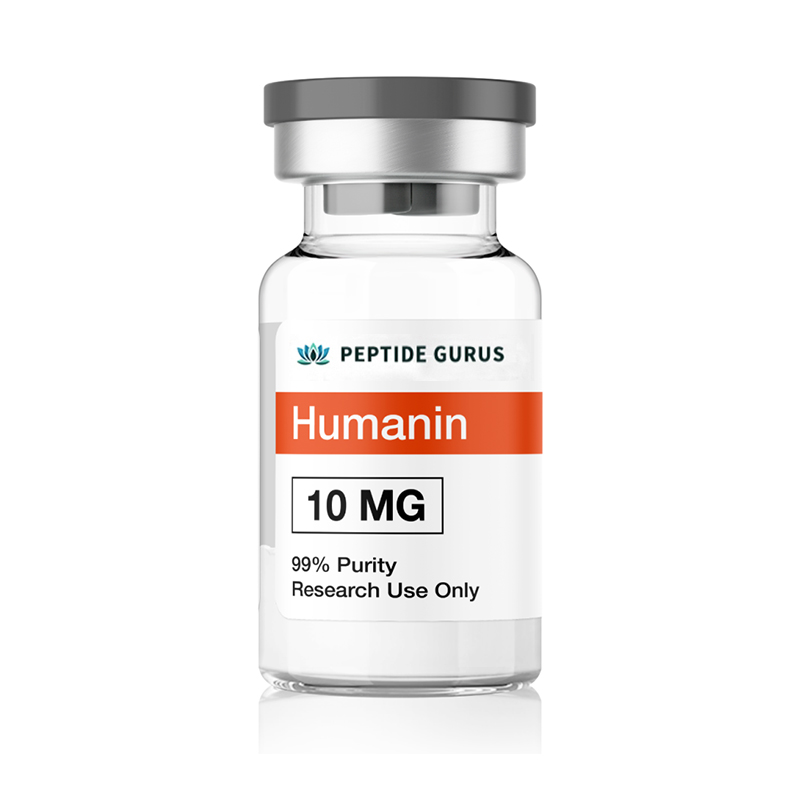
Envie um e-mail para nós agora para fazer seu pedido com suporte individual. Estoque limitado! Aceitamos Zelle, CashApp, Venmo, transferência bancária e cripto.
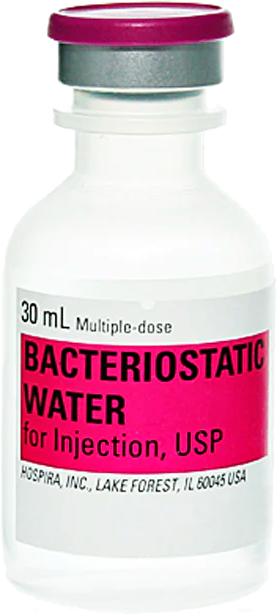
Grátis (1) 30 ml de água bacteriostática with qualified orders over $500 USD.
(excludes capsule products, cosmetic peptides, promo codes and shipping)
Product Usage: This PRODUCT IS INTENDED AS A RESEARCH CHEMICAL ONLY. This designation allows the use of research chemicals strictly for in vitro testing and laboratory experimentation only. All product information available on this website is for educational purposes only. Bodily introduction of any kind into humans or animals is strictly forbidden by law. This product should only be handled by licensed, qualified professionals. This product is not a drug, food, or cosmetic and may not be misbranded, misused or mislabled as a drug, food or cosmetic.
Visão geral de Humanin
A Humanin é um micro-peptídeo que ocorre naturalmente, único pelo fato de ser codificado no DNA mitocondrial (as mitocôndrias contêm uma pequena quantidade de DNA que é exclusiva apenas para eles). Funciona como uma proteína citoprotetora, protegendo as células do processo de apoptose (morte celular programada) por meio da interferência na operação normal da proteína X associada à BCL2 (BAX). Variações da humanina foram encontradas em vários mamíferos de humanos a ratos e são altamente conservados entre as espécies [1]. Pesquisas mostram que a Humanin é importante na proteção de neurônios, tecido cardíaco, células musculares, retina do olho e revestimento dos vasos sanguíneos.
Unlike standard peptides and proteins, which are produced through posttranslational modification of larger peptides, micro-peptides are produced by short, open reading frames (sORFs) and do not undergo modification once they are produced. Ranging in size from 100-150 amino acids in length, sORFs were originally overlooked by researchers convinced that all peptides were produced by the same process of DNA to RNA to protein to modified protein. No one considered that the last step, modification, could be disregarded entirely.
In humans, a number of sORFs have been identified. Their functions range from enhancing mRNA processing to helping to repair DNA damage and interacting with other proteins to create complex macro-proteins. Humanin, one of the smallest micro-peptides known to date, is just 24 amino acids in length. It interacts with the Bcl2-associated X protein (Bax) to regulate apoptosis, blocking the function of Bax when necessary to preserve cells that would otherwise be destroyed.
Neuroproteção
Research in rats indicates that humanin protects not just against apoptosis, but against programmed cell death in specific situations. In particular, the micro-peptide has been shown to protect neurons in the setting of Alzheimer’s disease, preventing the cell death that is induced by beta-amyloid plaque build-up[3]. Research shows that the peptide protects against excitotoxic neuron death in experiments using NMDA pulses[1].
Similar results to the above experiments were obtained when investigating neuron death occurring secondary to prion disease[4]. There is hope that this function of humanin can be exploited to slow or even halt neurodegenerative diseases like Alzheimer’s disease and other forms of dementia. Though it does not strike at the heart of the conditions (e.g. the formation of amyloid plaques in Alzheimer’s disease) humanin could be critical in tipping the delicate physiologic balance that plays out in these conditions, favoring the suspension of apoptosis[5].
Humanin appears to protect neurons through two different mechanisms, both of which have the ultimate function of preventing mitochondria from activating the apoptosis pathway. Under normal circumstances, the Bcl-2 family of proteins signal the release of proteins from the mitochondrial membrane, which in turn activate caspases that coordinate the orderly destruction and recycling of a cell[6]. This process is actually useful in many settings, such as during viral invasion, when the destruction of a handful of cells can prevent widespread tissue damage. Unfortunately, the process may become dysregulated in certain disease conditions with the result being unrestrained, widespread cell death. Humanin binds to Bcl-2 stimulating proteins Bid and tBid and blocks their function, thereby shutting down the apoptosis pathway at its origin[7].
Cutting edge research out of Argentina has found that humanin is actually released by astrocytes to protect synapses in hippocampal neurons[8]. As with many natural regulatory processes, there is some thought that humanin function may decline with age, thereby allowing for age-related memory loss and the increased prevalence of neurodegenerative disease. Some researchers speculate that there may be a role for humanin supplementation in older adults and a means of offsetting normal age-related declines in the production of this critical micro-peptide.
Humanin levels in relation to age. A significant decline in humanin levels is seen in older individuals.
Source: PubMed
Humanin Interfaces com IGF-1
Pesquisas recentes da Universidade do Sul da Califórnia revelaram que a Humanin interage com o fator de crescimento 1 do tipo insulina (IGF-1). De fato, os dois peptídeos interagem entre si, com os níveis circulantes de Humanin diminuindo os níveis de IGF-1 e IGF-1 influenciando a humanina. Embora o mecanismo dessa interação ainda não tenha sido totalmente elucidado, os cientistas acham as evidências que a Humanin é um jogador novo e potencialmente importante na sinalização do IGF-1. Os peptídeos têm efeitos sinérgicos de várias maneiras e trabalham juntos para inibir a apoptose, aumentar a sensibilidade à insulina, reduzir a inflamação e proteger contra certas formas de doença cardíaca. Em outros casos, os peptídeos desempenham papéis antagonistas. Mais pesquisas são necessárias para elucidar as maneiras exatas pelas quais o IGF-1 e a Humanin influenciam um ao outro, mas que eles fazem é um fato estabelecido [9].
Doença cardíaca
Research out of the Mayo Clinic, America’s premiere healthcare institution, reveals that humanin is expressed in the walls of human vasculature and helps to protect blood vessels from the effects of oxidized LDL (bad) cholesterol. In particular, humanin interferes with the production of reactive oxygen species (free radicals) in response to LDL oxidation. In so doing, it reduces reactive oxygen species in the vasculature by 50% and reduces apoptosis by 50% as well[10].
It has already been established that humanin levels decline with age, but new research suggests that the micro-peptide may also be affected by certain disease states. Researchers in cardiology have long sought to find blood markers that can be used to quantify how effectively mitochondria are functioning in the setting of cardiovascular disease. This is a critical measure of health in patients with heart disease because it gives a good estimate of how ischemic the tissue is and how advanced the disease is and may be useful in deciding when intervention is necessary. Research out of Russia shows that humanin levels may be a good marker in this setting as the decline in proportion to the severity of cardiovascular disease[11]. In this cause, humanin may serve as both a diagnostic marker and as a potential treatment for the same condition as supplementation with humanin is likely to protect the already stressed mitochondria.
Pesquisa Humanin e Doença da Retina
O epitélio do pigmento da retina (EPR) é uma camada da retina os sobrepostos e nutre as células responsáveis pela visão. Ele desempenha papéis na absorção e espalhamento da luz, filtrando os componentes do sangue que atingem a retina interna e estabelece a natureza imune-privilegiada do olho interior, entre outras coisas. Os danos ao EPR são vistos na degeneração macular relacionada à idade, bem como na retinopatia diabética e em um punhado de outras doenças graves e comuns do olho. A pesquisa agora indica que a Humanin é um componente importante no EPR e que diminui o estresse oxidativo nesse tecido. A suplementação com Humanin, na cultura celular, melhora a função do EPR e aumenta a resistência do tecido à apoptose [12]. Há esperança de que isso possa ajudar os cientistas a estabelecer um tratamento mais eficaz e estratégias preventivas para doenças da retina como degeneração macular.
Saúde óssea
Bone loss is a serious condition that affects may people, particularly women, as they age. It is also a consequence of a number of disease states and is even caused by certain medical interventions. In the latter category, glucocorticoids used to treat severe inflammation (e.g. autoimmune inflammation) are the most notorious player and are known to cause extreme bone loss when used in high doses or for prolonged periods of time. Researchers in Sweden and Korea have discovered that humanin may be beneficial to bones in two different ways. First, the micro-peptide has been found to prevent the death of chondrocytes (the cells that produce the collagen matrix on which bone is built) without interfering with the anti-inflammatory effects of glucocorticoids like dexamethasone[13]. This effect helps to boost rates of bone and cartilage growth, offsetting some of the accelerated bone loss caused by glucocorticoids. At the same time that humanin promotes chondrocyte development, it appears to reduce osteoclast formation. Osteoclasts are the cells responsible for bone breakdown and remodeling. While useful and important in normal physiologic function, over-activation of these cells in pathologic states leads to severe bone loss. By preventing osteoclast formation, humanin helps to reduce excessive bone remodeling and loss[14].
Humanin exhibits minimal side effects, low oral and excellent subcutaneous bioavailability in mice. Per kilogram dosage in mice does not scale to humans. Humanin for sale at
Gurus peptídico é limitado apenas a pesquisas educacionais e científicas, não para consumo humano. Compre apenas Humanin se você é um pesquisador licenciado.
Autor do artigo
The above literature was researched, edited and organized by Dr. Logan, M.D. Dr. Logan holds a doctorate degree from Case Western Reserve University School of Medicine and a B.S. in molecular biology.
Autor da revista científica
Cohen Pinches, MD, is the dean of the USC Leonard Davis School of Gerontology, executive director of the Ethel Percy Andrus Gerontology Center, and holder of the William and Sylvia Kugel Dean’s Chair in Gerontology. He is an expert in the study of mitochondrial peptides and their possible therapeutic benefits for diabetes, Alzheimer’s, and other diseases related to aging. Cohen’s current research focus is on the emerging science of mitochondria-derived peptides, which he discovered. These peptides include humanin, a 24-amino acid peptide encoded from the mt-16S-rRNA. It is a novel, centrally acting insulin sensitizer and metaboloprotective factor representing a new therapeutic and diagnostic target in diabetes and related disease. Other mitochondrial peptides of interest include MOTS-c, a second peptide encoded from a small ORF in the 12S region of the mitochondrial chromosome that has potent anti-diabetes and anti-obesity effect and acts as an exercise-mimetic, and SHLP2, a peptide encoded from the light strand of the mt-16S-rRNA region whose levels correlate with prostate cancer.
Alfonso do Dr. Eyr has received his MD in 2004 from the University of the Republic in Montevideo Uruguay. Currently, he is working as a senior research fellow in the Division of Nephrology and Hypertension at Mayo Clinic, Rochester, MN. Dr. Eirin’s research is focused on understanding the pathogenesis of renal and cardiac injury due to atherosclerotic renovascular disease (ARVD) and the developing of treatment strategies to improve blood pressure and renal outcomes after revascularization in these patients.
Dr. Pinchas Cohen and Dr. Alfonso Eirin are being referenced as leading scientists involved in the research and development of Humanin. In no way are these doctors/scientists endorsing or advocating the purchase, sale, or use of this product for any reason. There is no affiliation or relationship, implied or otherwise, between
Gurus peptídico e esses médicos. O objetivo de citar os médicos é reconhecer, reconhecer e creditar os esforços exaustivos de pesquisa e desenvolvimento conduzidos pelos cientistas que estudam esse peptídeo. O Dr. Pinchas Cohen está listado em [9] e o Dr. Alfonso Eirin está listado em [10] sob as citações referenciadas.
Citações referenciadas
A. Caricasole, V. Bruno, I. Cappuccio, D. Melchiorri, A. Copani e F. Nicoletti, “Um novo gene de rato que codifica um peptídeo semelhante a Humanin dotado de ampla atividade neuroprotetora”, Off-Faseb J. Off. Publicação. Alimentado. Sou. Soc. Exp. Biol., Vol. 16, não. 10, pp. 1331-1333, agosto de 2002.
M. Matsuoka, "Humanin; um defensor contra a doença de Alzheimer?", Patentes recentes CNS Drug Discov., Vol. 4, não. 1, pp. 37-42, janeiro de 2009.
I. Sponne, A. Fifre, V. Koziel, B. Kriem, T. Oster e T. Pillot, “Humanin resgata neurônios corticais da apoptose induzida por príion-peptídeo”, Mol. Célula. Neurosci., Vol. 25, não. 1, pp. 95-102, janeiro de 2004.
A. R. White et al., "Concentrações subléticas do peptídeo príon PRP106-126 ou o peptídeo beta amilóide da doença de Alzheimer ativa a expressão de marcadores proapoptóticos nos neurônios corticais primários", Neurobiol. Dis., Vol. 8, não. 2, pp. 299-316, abril de 2001.
C. Wang e R. J. Youle, "O papel das mitocôndrias na apoptose", Annu. Rev. Genet., Vol. 43, pp. 95-118, 2009.
D. Zhai, F. Luciano, X. Zhu, B. Guo, A. C. Satterthwait e J. C. Reed, “Humanin se liga e anula a atividade de licitação bloqueando sua ativação de Bax e Bak”, J. Biol. Chem., Vol. 280, não. 16, pp. 15815-15824, abril de 2005.
S. C. Zárate, M. E. Traetta, M. G. Codagnone, A. Seilicovich e A. G. Reinés, “Humanin, um peptídeo derivado de mitocondrial liberado por astrócitos, impede a perda de sinapses nos neurônios do hipocampo”, front. Envelhecimento Neurosci., Vol. 11, p. 123, 2019.
A. A. Zhloba, T. F. Subbotina, N. S. Molchan e Y. S. Polushin, "[o nível de circulação de humanina em pacientes com doença cardíaca isquêmica.]", Klin. Laboratório. Diagn., Vol. 63, não. 8, pp. 466-470, 2018.
B. Celvin, F. Zaman, C. Aulin e L. Sävendahl, “Humanin impede a apoptose indesejada de condrócitos sem interferir no efeito anti-inflamatório da dexametasona na artrite induzida por colágeno”, Clin. Exp. Rheumatol., Jun. 2019.
N. Kang, K. W. Kim e D. M. Shin, “Humanin suprime o ativador do receptor do osteoclasto induzido pelo fator nuclear-κB, na ativação da proteína quinase ativada por AMP”, Corean J. Physiol. Pharmacol. Desligado. J. Fisiol coreano. Soc. Soc coreano. Pharmacol., Vol. 23, não. 5, pp. 411-417, setembro de 2019.
Todos os artigos e informações do produto fornecidos neste site são apenas para fins informativos e educacionais.
Os produtos oferecidos neste site são fornecidos apenas para estudos in vitro. Estudos in vitro (latim: em vidro) são realizados fora do corpo. Esses produtos não são medicamentos ou medicamentos e não foram aprovados pelo FDA para prevenir, tratar ou curar qualquer condição médica, doença ou doença. A introdução corporal de qualquer tipo em seres humanos ou animais é estritamente proibida por lei.
A Peptidegurus é um fornecedor líder de peptídeos de pesquisa fabricados americanos, oferecendo produtos de alta qualidade a preços competitivos. Com foco na excelência e no atendimento ao cliente, eles garantem um processo de pedido seguro e conveniente com o envio global.