
• Sistema de síntese peptídica em pequena escala
q
X
q

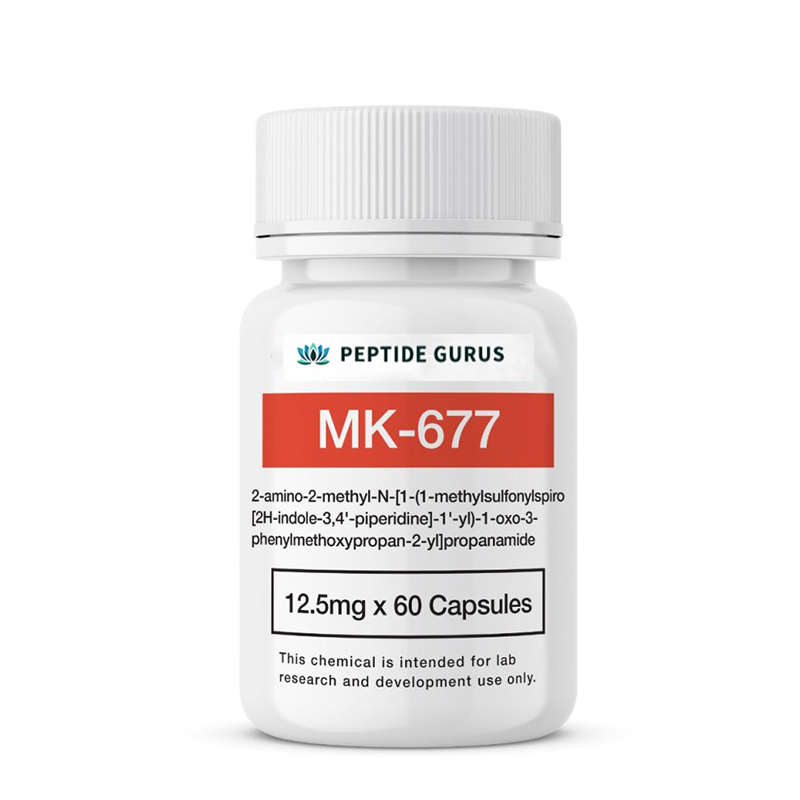
MK-677 (Ibutamoren) (60 cápsulas)

Categorias:, ,

Contato para fazer o pedido
Envie um e-mail para nós agora para fazer seu pedido com suporte individual. Estoque limitado! Aceitamos Zelle, CashApp, Venmo, transferência bancária e cripto.
MK-677, também conhecido como ibutamoren e oratrope, é um agonista seletivo e seletivo por via oral do receptor de grelina. Pesquisas mostram que o MK-677 aumenta a secreção natural do hormônio do crescimento (GH) e o fator de crescimento do tipo insulina (IGF-1), mas não afeta os níveis de cortisol. Está sendo pesquisado como um possível tratamento para deficiência de hormônio do crescimento, desperdício de músculo e osso, estimulação do apetite e doença de Alzheimer. A pesquisa MK-677 em ratos parecia impedir o início da DA, mesmo em camundongos geneticamente predispostos, desde que fosse iniciado antes do acúmulo de beta amilóide significativo. A pesquisa MK-677 também mostrou benefícios excepcionalmente promissores na melhoria da qualidade do sono.
Uso do produto:Este produto é destinado apenas a um produto químico de pesquisa.Essa designação permite o uso de produtos químicos de pesquisa estritamente para testes in vitro e apenas experimentação laboratorial. Todas as informações do produto disponíveis neste site são apenas para fins educacionais. A introdução corporal de qualquer tipo em seres humanos ou animais é estritamente proibida por lei. Este produto deve ser tratado apenas por profissionais qualificados e licenciados. Este produto não é um medicamento, alimento ou cosmético e pode não ser de marca mal, mal utilizada ou incorreta como droga, comida ou cosmético.

Visão geral do MK-677 (Ibutamoren)

O MK-677, também conhecido como Ibutamoren e Oratrope, é um agonista seletivo potente, por via oral, do receptor de grelina. Isso o torna um secretagogo de hormônio do crescimento e um mimético de grelina. Isso énãoUm análogo de grelina, no entanto, como não é um peptídeo e, portanto, não compartilha semelhanças estruturais com a grelina. Pesquisas mostram que o MK-677 aumenta a secreção do hormônio do crescimento (GH) e o fator de crescimento do tipo insulina (IGF-1), mas não afeta os níveis de cortisol. Isso significa que o MK-677 ativa o eixo GH e, portanto, promove um aumento na massa corporal magra. Está sob investigação como tratamento para deficiência de hormônio do crescimento, perda de perda muscular e óssea e estimulação do apetite. O MK-677 é avaliado por sua meia-vida longa e excelente biodisponibilidade oral. Pesquisas em seres humanos mostram que os níveis de IGF-1 permanecem elevados por até 24 horas após uma única dose de MK-677.

MK-677 e Sarms

MK-677 is often grouped with the selective androgen receptor modulators (SARMs) because it doesn’t fit neatly into any other category. MK-677 is not a SARM, however. It also isn’t a peptide. It is best described as a complex, synthetic chemical propanamide derivative that acts as a ghrelin receptor agonist[1]. Though it is not a peptide, MK-677 best fits into the growth hormone secretagogue family of peptides if considering effects. Like GHRP-2, GHRP-6, hexarelin, and ipamorelin, MK-677 binds to the ghrelin/growth hormone secretagogue receptor and boosts GH release while maintaining normal physiologic, pulsatile patterns of GH fluctuation. One of the benefits of MK-677 is actually the fact that it is not a SARM. SARMs tend to impact natural androgen production and thus can lower testosterone levels. This means that their administration must be carefully controlled and that the compounds should be cycled on and off to avoid suppression of natural androgen production. MK-677 does not require these precautions.

Estrutura MK-677

Fórmula Molecular:C27H36N4O5SPeso molecular:528,7 g/molPubchem CID:9939050 Número CAS:159634-47-6Sinônimos:MK-0677, Oratrope, Ibutamoren, L-163,191StructureFonte:PubCh

Pesquisa MK-677

MK-677 e somatopausa

It has been shown that without intervention, growth hormone secretion and muscle mass decline starting at mid-puberty. This ultimately leads to the frailty and loss of muscle function we see in the elderly. The progressive decline of GH and IGF-1 with age is referred to as somatopause. On average, a male at 70 years of age will produce about 60% of the growth hormone he produced at age 18. This can lead to changes in body composition, loss of bone density, and more. Interestingly, estrogen and progesterone appear to increase GH and IGF-1 levels, thereby reducing the effects of somatopause in women as they age. Compounds like MK-677 may offer a way of slowing or even halting the progression of somatopause. This could lead to improved muscle and bone strength in older age and may affect everything from cardiac function to brain health. Research is in its early stages, but a number of animal and human trials are showing early promise.

MK-677 e composição corporal

If somatopause is such a substantial contributor to the frailty of aging, then reversing, preventing, or slowing it could help to stave off age-related declines in bone density, muscle strength, and more. In a 2-year randomized controlled trial complete with placebo, blinding, and crossover, researchers demonstrated that once daily oral administration of MK-677 (just 25 mg) significantly increased growth hormone levels and IGF-1 levels without serious adverse effects. This resulted in an increase in body weight of approximately 2 kg compared to placebo, increased bone mineral density, no changes in strength, and no changes in fat mass. Subjects also experienced a decrease in LDL cholesterol (bad cholesterol) and modest increases in cortisol levels. Appetite increased initially, but reverted to normal after several months[2]. One potentially interesting application of MK-677 may be in the setting of diet induced negative nitrogen balance, which is a complicated clinical way of saying low-protein consumption. Low protein consumption can be the result of a number of things, but is most often seen in the healthcare setting as a result of disease or disability. It is particularly problematic for bed-ridden patients, such as those who have suffered trauma. The ability of MK-677 to counteract negative nitrogen balance is not just about nutrition, however[3]. Protecting protein stores in the body from depletion can lead to better clinical outcomes in everything from stroke to infection. It can even help to prolong lifespan and healthspan by protecting against the disability associated with sarcopenia (muscle loss). Previous research has shown that simultaneously boosting GH and IGF-1 can improve nitrogen retention in the setting of parenteral nutrition[3]. This is precisely what MK-677 does with a single orally administered dose. This function alone may make MK-677 a staple of intensive care units in the near future. Research in elderly patients has shown that daily ibutamoren can boost the GH/IGF-1 axis to levels similar to those found in healthy young adults. This occurs without serious adverse effects and results in a significant increase in lean body mass, decreases in LDL cholesterol, and no change in HDL cholesterol[5]. There is some interest then in using ibutamoren as a long-term supplement to ward off the muscle loss and body composition changes associated with aging. Overall, MK-677 administration appears to have limited effects on body composition. Combined with exercise, however, it’s ability to increase GH and IGF-1 levels may help to improve muscle strength and density, reduce fat mass, and boost bone density. Bone density is discussed in detail in the next section.

MK-677 e densidade óssea

Research in young, obese males shows that MK-677 significantly alters bone function by increasing both bone deposition and resorption[6]. Similar results are seen in elderly test subjects[7]. These findings are a classic indication of increased bone remodeling and can be either good or bad depending on the setting. Increased bone remodeling can lead to improved bone strength and resistance to fracture when paired with weight/resistance training, for instance. In a multi-center study of elderly patients with hip fracture, research shows that MK-677 can improve gait speed and reduced numbers of falls[8]. These is thus reason to believe that the compound does, in fact, improve bone density and function, but more research is needed. In one trial, 9 weeks of MK-677 resulted in a nearly 30% increase in serum ostocalcin and a 10% increase in bone-specific alkaline phosphatase. Both of these markers suggest increased bone deposition[5]. Individuals in these studies showed a trend toward more independent living following hip fracture. A great deal more research needs to be done, particularly as there is reason to believe that MK-677 may be synergistic with some of the growth hormone releasing hormone (GHRH) analogues and growth hormone releasing peptides (GHRPs) like sermorelin and tesamorelin.

MK-677 e função neurológica

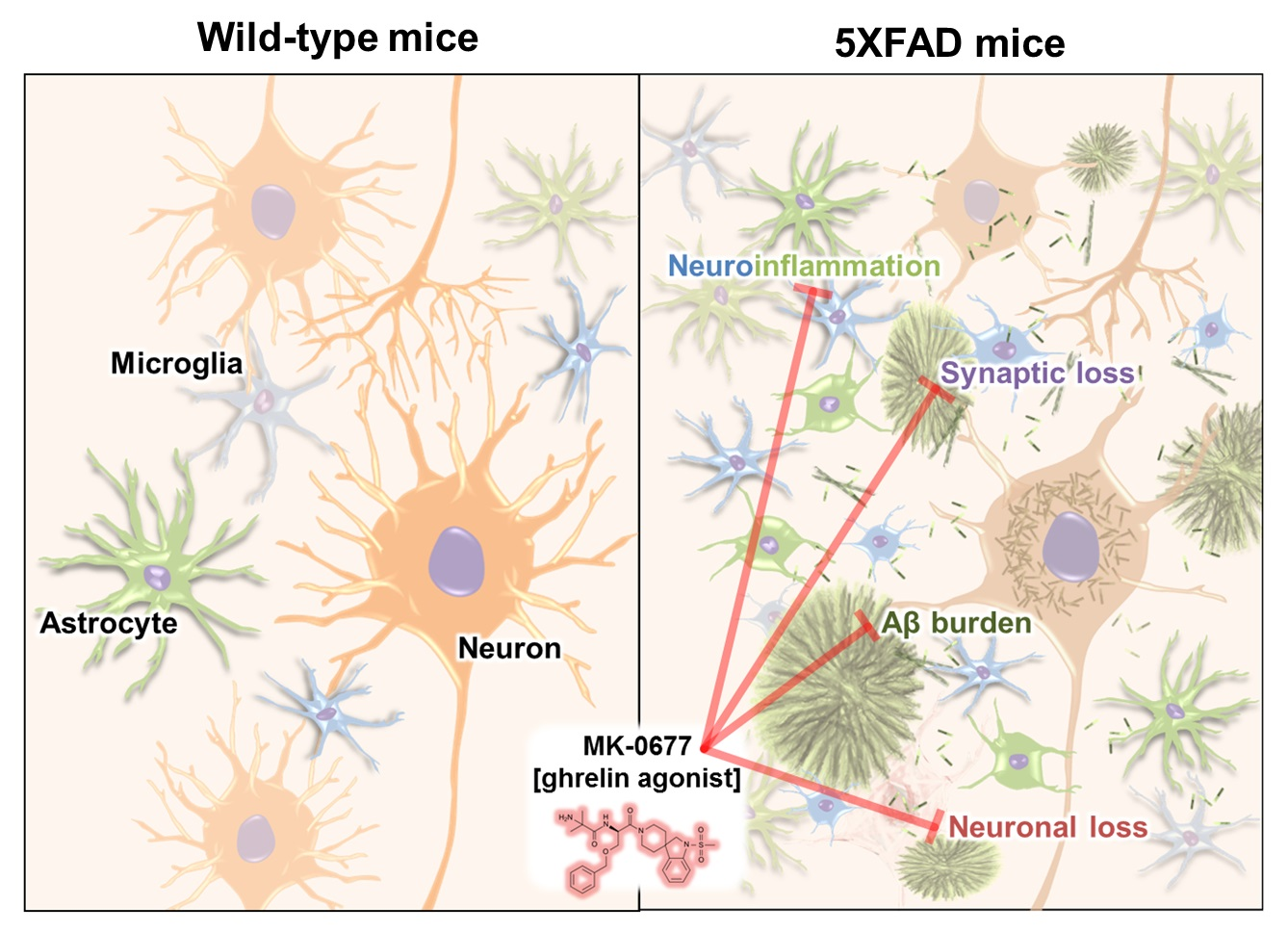
Research in animals has demonstrated that IGF-1 is an important component in the clearance of amyloid beta from the central nervous system. Amyloid beta plaques that result from a build-up of amyloid beta are a hallmark of Alzheimer’s disease (AD) and are indicative of disease severity. It is interesting that AD is a disease of the elderly because IGF-1 levels in the brain have been shown to decrease with age and are even lower in patients suffering from AD. The ability to raise IGF-1 levels could, therefore, provide an effective treatment or preventative for AD. Research in elderly patients has found that MK-677 increases IGF-1 levels substantially, but does not alter the progression of AD once it has been diagnosed[9]. There is interest, however, in attempting to understand whether it can prevent AD. Unfortunately, such trials take extensive amounts of time and money. Research into the ability of MK-677 to prevent AD-like neurodegeneration in animal models actually contradicts the human study just discussed. This animal research is actually much newer and suggests that MK-677, more than a curative agent, is an excellent preventative. In this research, Mice that were genetically predisposed to developed AD but that were treated with MK-677 starting at three months of age showed reduced amyloid beta deposition and resulting decreases in neuron and synapse loss. In other words, MK-677 appeared to prevent the onset of AD, even in genetically predisposed mice, as long as it was started before significant amyloid beta accumulation[10].NeurologicalFonte:MdpiObviamente, as descobertas acima são apoiadas ainda mais pela pesquisa sobre obesidade e anúncio. Pesquisas em camundongos com sobrepeso mostram que a depuração periférica da beta amilóide é prejudicada e que o aumento dos níveis de IGF-1 ajuda a melhorar essa disfunção. Infelizmente, isso quase não tem efeito nos níveis de beta amilóide no cérebro, sugerindo muito bem que o IGF-1 não está cruzando a barreira hematoencefálica (BBB).

MK-677 e durma

MK-677 has more robust effects on sleep than any of the GHRPs. Research in young adults shows that MK-677 increases stage 4 sleep duration by 50% and increase REM sleep by 20%. In older adults, the results are even more profound, with REM sleep increasing by as much as 50% and REM latency decreasing substantially[11]. Stage 4 sleep is generally considered to be the most restful stage of sleep and critical to preserving waking brain function. Stage 4 is also when most serious tissue repair and wound healing takes place. In children, it may be associated with growth and development. Prolonging this stage of sleep could be beneficial to muscle recovery, brain function, and development. REM sleep isn’t clearly understood, but we know that babies spend half their sleep time in REM and that this number declines with age. REM may be critical in the consolidation and reinforcement of memories, but no one really knows. The ability to prolong REM in animal models could make MK-677 a important tool for understanding the functions of sleep better than we ever have before.

MK-677 e saúde do coração

It has long been known that aging leads to impairment of stem cell function. Endothelial progenitor cells (EPCs) are stem cells important in the regeneration of blood vessels. A decline in EPCs has been thought to be a risk factor for the development of atherosclerosis, which can lead to high blood pressure and heart attack among other problems. Research in mice shows that increased GH levels can help to reverse the age-related decline in EPCs and may therefore be useful in preventing heart disease[12], [13]. Further supporting the importance of GH in cardiac health is that fact the nitric oxide levels decline with age. Nitric oxide (NO) is an important regulator of blood vessel health and is critical in controlling blood pressure. GH treatment has been shown to increase NO synthase expression and thus NO levels in mice.[14] This could ultimately be an effective way to regulate blood pressure and reduce risk of a number of cardiac diseases, kidney disease, and even stroke.

Resumo MK-677

MK-677 is a non-peptide ghrelin/growth hormone secretagogue agonist that has been shown to raise GH and IGF-1 levels in both animal and human testing. The compound has gone through several human clinical trials and is generally considered to be safe and relatively free of side effects, though it has not yet been approved for human use outside of clinical trials. Research in both animals and humans shows that MK-677 may have important benefits for appetite, body composition, muscle strength, cardiac health, and neurologic function. Studies have shown that MK-677 may have particular benefit in promoting vascular health and helping to stave off some of the most prevalent diseases in industrial societies (e.g. atherosclerosis, Alzheimer’s disease, etc.). MK-677 also appears to have profound and beneficial effects on sleep quality. It may not only provide an effect means of improving sleep quality and probing the finer details of the sleep cycle, but it’s ability to improve sleep may help to explain some of its neurological benefits. More research needs to take place in this arena, but MK-677 shows exceptionally promising benefits in improving sleep quality. Interestingly, research seems to suggest that the greatest benefits of MK-667 are derived when it is taken for long periods of time as a preventative. Research may help to shed light on this particular phenomenon and set the stage for MK-677 and similar developments to act as preventatives for some of the most devastating diseases associated with age.

Autor do artigo

A literatura acima foi pesquisada, editada e organizada pelo Dr. E. Logan, M.D. Dr. E. Logan é doutorado emCase Western Reserve University School of Medicinee um B.S. em biologia molecular.

Autor da revista científica

Ralf M Nass, MDfrequentou a faculdade de medicina na Universidade de Bochum, Alemanha, e concluiu minha residência e bolsa na Universidade de Munique, Alemanha e Universidade da Virgínia (neuroendocrinologia). Ele se especializou em endocrinologia com foco no diabetes mellitus (paciente hospitalar e ambulatorial), doença da tireóide, doença pituitária e SOP. Na minha vida fora do trabalho, gosto do ar livre, caminhadas e esportes.

Ralf M Nass, MD está sendo referenciado como um dos principais cientistas envolvidos na pesquisa e desenvolvimento do VIP. De maneira alguma, este médico/cientista está endossando ou defendendo a compra, venda ou uso deste produto por qualquer motivo. Não há afiliação ou relacionamento, implícito ou não, entre
Gurus peptídicoe este médico. O objetivo de citar o médico é reconhecer, reconhecer e creditar os esforços exaustivos de pesquisa e desenvolvimento conduzidos pelos cientistas que estudam esse peptídeo. Barbara B. Kahn está listada em [2] e [6] sob as citações referenciadas.

Citações referenciadas

    “CAS Common Chemistry.” https://commonchemistry.cas.org/detail?cas_rn=159634-47-6 (accessed Apr. 15, 2021). R. Nass et al., “Effects of an oral ghrelin mimetic on body composition and clinical outcomes in healthy older adults: a randomized trial,” Ann. Intern. Med., vol. 149, no. 9, pp. 601–611, Nov. 2008, doi: 10.7326/0003-4819-149-9-200811040-00003. M. G. Murphy et al., “MK-677, an orally active growth hormone secretagogue, reverses diet-induced catabolism,” J. Clin. Endocrinol. Metab., vol. 83, no. 2, pp. 320–325, Feb. 1998, doi: 10.1210/jcem.83.2.4551. D. M. Ney, “Effects of insulin-like growth factor-I and growth hormone in models of parenteral nutrition,” JPEN J. Parenter. Enteral Nutr., vol. 23, no. 6 Suppl, pp. S184-189, Dec. 1999, doi: 10.1177/014860719902300603. J. T. Sigalos and A. W. Pastuszak, “The Safety and Efficacy of Growth Hormone Secretagogues,” Sex. Med. Rev., vol. 6, no. 1, pp. 45–53, Jan. 2018, doi: 10.1016/j.sxmr.2017.02.004. J. Svensson et al., “Treatment with the oral growth hormone secretagogue MK-677 increases markers of bone formation and bone resorption in obese young males,” J. Bone Miner. Res. Off. J. Am. Soc. Bone Miner. Res., vol. 13, no. 7, pp. 1158–1166, Jul. 1998, doi: 10.1359/jbmr.1998.13.7.1158. M. G. Murphy et al., “Oral administration of the growth hormone secretagogue MK-677 increases markers of bone turnover in healthy and functionally impaired elderly adults. The MK-677 Study Group,” J. Bone Miner. Res. Off. J. Am. Soc. Bone Miner. Res., vol. 14, no. 7, pp. 1182–1188, Jul. 1999, doi: 10.1359/jbmr.1999.14.7.1182. A. Adunsky et al., “MK-0677 (ibutamoren mesylate) for the treatment of patients recovering from hip fracture: a multicenter, randomized, placebo-controlled phase IIb study,” Arch. Gerontol. Geriatr., vol. 53, no. 2, pp. 183–189, Oct. 2011, doi: 10.1016/j.archger.2010.10.004. J. J. Sevigny et al., “Growth hormone secretagogue MK-677: no clinical effect on AD progression in a randomized trial,” Neurology, vol. 71, no. 21, pp. 1702–1708, Nov. 2008, doi: 10.1212/01.wnl.0000335163.88054.e7. Y.-O. Jeong et al., “MK-0677, a Ghrelin Agonist, Alleviates Amyloid Beta-Related Pathology in 5XFAD Mice, an Animal Model of Alzheimer’s Disease,” Int. J. Mol. Sci., vol. 19, no. 6, Jun. 2018, doi: 10.3390/ijms19061800. G. Copinschi et al., “Prolonged oral treatment with MK-677, a novel growth hormone secretagogue, improves sleep quality in man,” Neuroendocrinology, vol. 66, no. 4, Art. no. 4, Oct. 1997. T. Thum et al., “Age-dependent impairment of endothelial progenitor cells is corrected by growth-hormone-mediated increase of insulin-like growth-factor-1,” Circ. Res., vol. 100, no. 3, pp. 434–443, Feb. 2007, doi: 10.1161/01.RES.0000257912.78915.af. J. K. Devin et al., “Low-dose growth hormone administration mobilizes endothelial progenitor cells in healthy adults,” Growth Horm. IGF Res. Off. J. Growth Horm. Res. Soc. Int. IGF Res. Soc., vol. 18, no. 3, pp. 253–263, Jun. 2008, doi: 10.1016/j.ghir.2007.11.001. T. Thum et al., “Growth hormone treatment improves markers of systemic nitric oxide bioavailability via insulin-like growth factor-I,” J. Clin. Endocrinol. Metab., vol. 92, no. 11, pp. 4172–4179, Nov. 2007, doi: 10.1210/jc.2007-0922.
Todos os artigos e informações do produto fornecidos neste site são apenas para fins informativos e educacionais.Os produtos oferecidos neste site são fornecidos apenas para estudos in vitro. Estudos in vitro (latim: em vidro) são realizados fora do corpo. Esses produtos não são medicamentos ou medicamentos e não foram aprovados pelo FDA para prevenir, tratar ou curar qualquer condição médica, doença ou doença. A introdução corporal de qualquer tipo em seres humanos ou animais é estritamente proibida por lei.

Solicitar Inquérito

Sobre nós

A Peptidegurus é um fornecedor líder de peptídeos de pesquisa fabricados americanos, oferecendo produtos de alta qualidade a preços competitivos. Com foco na excelência e no atendimento ao cliente, eles garantem um processo de pedido seguro e conveniente com o envio global.

Solicite uma cotação

  • Gurus peptídico
  • info@peptidegurus.com
  • Glendale, é, EUA
  • CONTATO

    Solicitar Inquérito