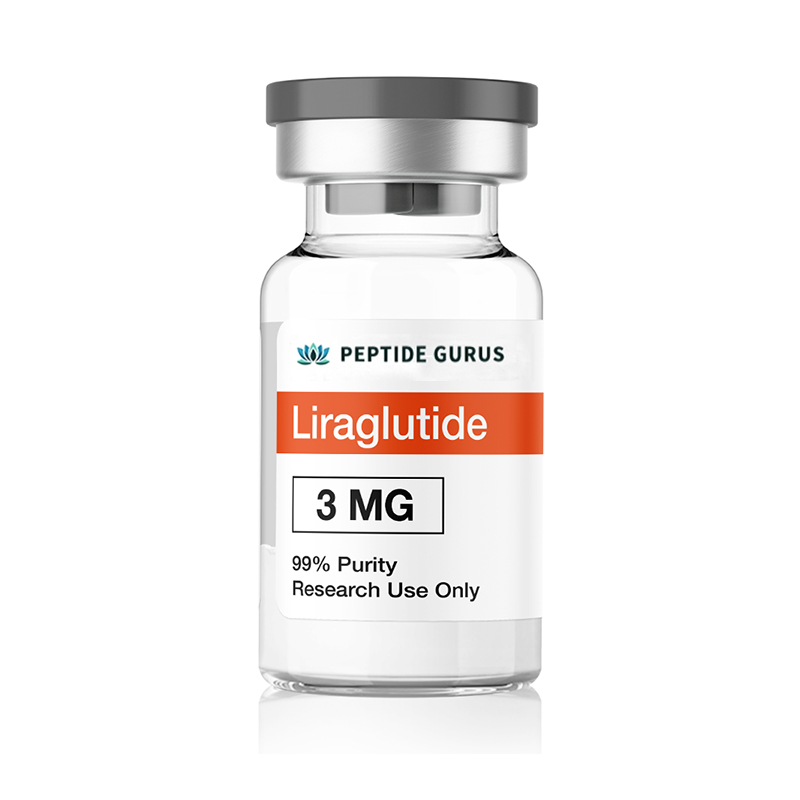
Schreiben Sie uns jetzt eine E-Mail, um Ihre Bestellung mit dem 1-zu-1-Support aufzugeben. Begrenzter Bestand! Wir akzeptieren Zelle, CashApp, Venmo, Banküberweisungen und Krypto.
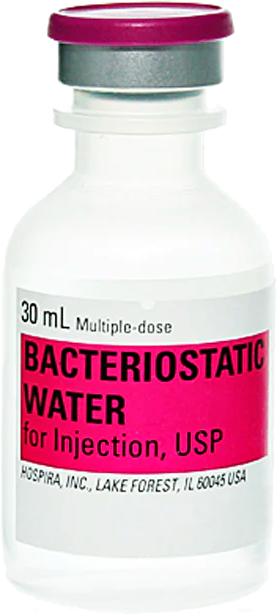
Freie (1) 30 ml bakteriostatisches Wasser mit qualifizierten Bestellungen über $500 USD.
(excludes capsule products, cosmetic peptides, promo codes and shipping)
Liraglutid ist ein Derivat von GLP-1, einem natürlich vorkommenden Peptid, von dem bekannt ist, dass es den Blutzuckerspiegel senkt und die Insulinsekretion verbessert. Untersuchungen zeigen, dass Liraglutid (GLP-1-Analogon) auch Herz-, Leber- und Lungenfunktion verbessern und gleichzeitig die Auswirkungen der Alzheimer-Krankheit verlangsamen oder verhindern kann. Es wurde gezeigt, dass Liraglutid den Appetit signifikant verringert, indem die Magenentleerung und die Verringerung der Darmmotilität verfällt. Liraglutid wurde so modifiziert, dass sie eine längere Halbwertszeit und eine günstigere Pharmakokinetik haben.
Product Usage: This PRODUCT IS INTENDED AS A RESEARCH CHEMICAL ONLY. This designation allows the use of research chemicals strictly for in vitro testing and laboratory experimentation only. All product information available on this website is for educational purposes only. Bodily introduction of any kind into humans or animals is strictly forbidden by law. This product should only be handled by licensed, qualified professionals. This product is not a drug, food, or cosmetic and may not be misbranded, misused or mislabled as a drug, food or cosmetic.
Liraglutid und Glucagon-ähnliches Peptid-1-Überblick
GLP-1, short for glucagon-like peptide-1 is a short, naturally occurring peptide hormone just 30-31 amino acids in length. Its primary physiologic function is to lower blood sugar levels by naturally enhancing insulin secretion. It also plays roles in protection beta cell insulin stores by promoting insulin gene transcription and has been linked with neurotrophic effects in the brain and central nervous system. In the GI system, GLP-1 has been shown to significantly decrease appetite by delaying gastric emptying and reducing intestinal motility. Preliminary research has shown impacts of GLP-1 in the heart, fat, muscles, bones, liver, lungs, and kidneys as well.
The primary focus of GLP-1 research has been in the realm of diabetes treatment/prevention as well as appetite suppression. Secondary research focuses on the potential cardiovascular benefits of the peptide. More recent, and thus less robust, research focuses on the ability of GLP-1 to stave off neurodegenerative disease. Though this latter area of research is newest, it is also the fast-growing area of GLP-1 study now that the peptide has been revealed to slow or prevent the accumulation of amyloid beta plaques in the setting of Alzheimer’s disease.
Perhaps the most important effect that GLP-1 has, according to Dr. Holst, is referred to as the “incretin effect.” Incretins are a group of metabolic hormones, released by the GI tract, that cause a decrease in blood glucose (sugar) levels. GLP-1 has been shown to be one of the two most important hormones (the other being GIP) to stimulate the incretin effect in rodent models. Though GIP circulates at levels roughly 10 times higher than that of GLP-1, there is evidence that GLP-1 is the more potent of the two molecules, particularly when levels of blood glucose are quite high.
A GLP-1 receptor has been identified on the surface of pancreatic beta cells, making it clear that GLP-1 directly stimulates the exocytosis of insulin from the pancreas. When combined with sulfonylurea drugs, GLP-1 has been shown to boost insulin secretion enough to cause mild hypoglycemia in up to 40% of subjects[1]. Natürlich ist eine erhöhte Insulinsekretion mit einer Reihe von trophischen Effekten verbunden, einschließlich einer erhöhten Proteinsynthese, einer Verringerung des Proteins und einer erhöhten Aufnahme von Aminosäuren durch Skelettmuskel.
GLP-1 und Betazellschutz
Untersuchungen in Tiermodellen legen nahe, dass GLP-1 das Wachstum und die Proliferation von Pankreas-Beta-Zellen stimulieren kann und die Differenzierung neuer Beta-Zellen im Pankreaskanal-Epithel stimulieren kann. Untersuchungen haben auch gezeigt, dass GLP-1 Beta-Zell-Apoptose hemmt[1]. Taken in sum, these effects tip the usual balance of beta cell growth and death toward growth, suggesting that the peptide may be useful in treating diabetes and in protecting the pancreas against insult that harms beta cells.
In one particularly compelling trial, GLP-1 was shown to inhibit the death of beta cells caused by enhanced levels of inflammatory cytokines. In fact, mouse models of type 1 diabetes have revealed that GLP-1 protects islet cells from destruction and may, in fact, be a useful means of preventing onset of the type 1 diabetes[2].
GLP-1 und Appetit
Untersuchungen in Mausmodellen legen nahe, dass die Verabreichung von GLP-1 und seinem ähnlichen Cousin GLP-1 in das Gehirn von Mäusen den Antrieb zum Essen und Hemmung der Nahrungsaufnahme verringern kann[3]. Es scheint, dass GLP-1 tatsächlich das Gefühl der Sättigung verbessern, den Einzelnen hilft, sich voller zu fühlen und den Hunger indirekt zu verringern. Jüngste klinische Studien haben bei Mäusen gezeigt, dass zweimal tägliche Verabreichung von GLP-1-Rezeptoragonisten einen allmählichen linearen Gewichtsverlust verursacht. Über einen langen Zeitraum ist dieser Gewichtsverlust mit einer signifikanten Verbesserung der kardiovaskulären Risikofaktoren und einer Verringerung der Hämoglobin -A1C[4].
Mögliche kardiovaskuläre Vorteile von GLP-1
Mittlerweile ist bekannt, dass GLP-1-Rezeptoren im gesamten Herzen verteilt sind und in bestimmten Situationen die Herzfunktion verbessern, indem sie die Herzfrequenz erhöhen und den linksventrikulären enddiastolischen Druck senken[5]. The latter may not seem like much, but increased LV end-diastolic pressure is associated with LV hypertrophy, cardiac remodeling, and eventual heart failure.
Recent evidence has even suggested that GLP-1 could play role in decreasing the overall damaged caused by a heart attack. It appears that the peptide improves cardiac muscle glucose uptake, thereby helping struggling ischemic heart muscle cells to get the nutrition they need to continue functioning and avoid programmed cell death. The increase in glucose uptake in these cells appears to independent of insulin[6].
Large infusions of GLP-1 into dogs have been shown to improve LV performance and reduce systemic vascular resistance. The latter effect can help to reduce blood pressure and ease strain on the heart as a result[7]. Dies kann wiederum dazu beitragen, die langfristigen Folgen von Bluthochdruck wie LV-Umbau, Gefäßverdickung und Herzinsuffizienz zu verringern. Laut Dr. Holst hat die Verabreichung von GLP-1 nach Herzverletzung „sowohl in experimentellen Tiermodellen als auch bei Patienten ständig die Myokardleistung erhöht.
Size of damage in heart in control mice (A), mice given standard vasopressin therapy (B), and mice give GLP-1 (C).
Source: Diabetes-Tagebuch
GLP-1 und das Gehirn
Es gibt einige Hinweise darauf, dass GLP-1 das Lernen verbessern und dazu beitragen kann, Neuronen vor neurodegenerativen Erkrankungen wie Alzheimer-Krankheit zu schützen. In einer Studie wurde gezeigt, dass GLP-1 das assoziative und räumliche Lernen bei Mäusen verbessert und sogar Lerndefizite bei Mäusen mit spezifischen Genfehlern verbessert. Bei Ratten, die den GLP-1-Rezeptor in bestimmten Regionen des Gehirns übertreffen, sind Lernen und Gedächtniss signifikant besser als in ihren normalen Kontrollen[8].
Additional research in mice has shown that GLP-1 can help to protect against excitotoxic neuron damage, completely protecting rat models of neurodegeneration against glutamate-induced apoptosis. The peptide can even stimulate neurite outgrowth in cultured cells. Researchers are hopeful that additional research on GLP-1 will reveal how it might be used to halt or reverse certain neurodegenerative diseases[9].
Interestingly, GLP-1 and its analogue exendin-4 have been shown in mouse models to reduce levels of amyloid-beta in the brain as well as the beta-amyloid precursor protein found in neurons. Amyloid beta is the primary component of the plaques observed in Alzheimer’s disease, plaques which, while not necessarily known to be causative, are associated with the severity of the disease. It remains to be seen if preventing amyloid beta accumulation can protect against the effects of Alzheimer’s disease, but this research is, at the very least, a tantalizing clue as to how scientists my intervene in the progression of mild cognitive impairment to full Alzheimer’s disease[10].
GLP-1 exhibits minimal to moderate side effects, low oral and excellent subcutaneous bioavailability in mice. Per kg dosage in mice does not scale to humans. GLP-1 for sale at
Peptid-Gurus ist nur auf Bildungs- und wissenschaftliche Forschung beschränkt, nicht auf den menschlichen Konsum. Kaufen Sie nur GLP-1, wenn Sie ein lizenzierter Forscher sind.
Über den Autor
The above literature was researched, edited and organized by Dr. Logan, M.D. Dr. Logan holds a doctorate degree from Case Western Reserve University School of Medicine and a B.S. in molecular biology.
Autor wissenschaftlicher Zeitschriften
In 1986 Professor Jens Juul Holst discovered the GLP-1 hormone in connection with his work on stomach ulcer surgery. Since the discovery, Novo Nordisk have used the Forschung to successfully develop products to treat diabetes and obesity. The hormone GLP-1 can be used to regulate blood sugar levels and satiety. Not only has it made treatment of obesity and diabetes possible, it has also proven useful preventatively through early diagnosis for citizens who are at risk of developing diabetes and obesity. In 2015, Jens Juul Holst received the prestigious international Fernström prize for his research on GLP-1. He is one of the most cited researchers in Europe, with over 1,200 published articles and citations in over 3,500 articles annually.
Professor Jens Juul Holst is being referenced as one of the leading scientists involved in the research and development of GLP-1. In no way is this doctor/scientist endorsing or advocating the purchase, sale, or use of this product for any reason. There is no affiliation or relationship, implied or otherwise, between
Peptid-Gurus und dieser Arzt. Der Zweck des Arztes besteht darin, die erschöpfenden Forschungs- und Entwicklungsbemühungen der Wissenschaftler, die dieses Peptid untersuchen, anerkennen, anzuerkennen und zu verdanken. Professor Jens Juul Holst ist in [11] unter den Referenzzitaten aufgeführt.
Referenzierte Zitate
"Die Physiologie des glucagon-ähnlichen Peptids 1 | Physiologische Bewertungen." [Online].
"Kombinierte Behandlung mit Lisofyllin und Exendin-4 kehrt Autoimmundiabetes um.-PubMed-NCBI." [Online].
"Das von Proglucagon abgeleitete Peptid, Glucagon-ähnliches Peptid-2, ist ein Neurotransmitter, der an der Regulation der Lebensmittelaufnahme beteiligt ist.-PubMed-NCBI." [Online].
"Zwischenanalyse der Auswirkungen der Exenatidbehandlung auf A1C, Gewicht und kardiovaskuläre Risikofaktoren über 82 Wochen bei 314 übergewichtigen Patienten mit… - PubMed - NCBI." [Online].
"Herzfunktion bei Mäusen, denen der Glucagon-ähnliche Peptid-1-Rezeptor fehlt.-PubMed-NCBI." [Online].
"Glucagon-ähnliches Peptid 1 kann das Herz direkt vor Ischämie/Reperfusionsverletzung | Diabetes schützen." [Online].
"Rekombinantes glucagon-ähnliches Peptid-1 erhöht die Myokardglukoseaufnahme und verbessert die linksventrikuläre Leistung bei bewussten Hunden mit Tempo-Ind-Ind…-PubMed-NCBI." [Online].
"Glucagon-ähnliches Peptid-1-Rezeptor ist am Lernen und Neuroprotektion beteiligt.-PubMed-NCBI." [Online].
"Schutz und Umkehrung von exzitotoxischen neuronalen Schäden durch Glucagon-ähnliches Peptid-1 und Exendin-4.-PubMed-NCBI." [Online].
"Eine neue Alzheimer-Interventive Strategie: GLP-1.-PubMed-NCBI." [Online].
Holst JJ. From the Incretin Concept and the Discovery of GLP-1 to Today’s Diabetes Therapy. Front Endocrinol (Lausanne). 2019;10:260. Published 2019 Apr 26. doi:10.3389/fendo.2019.00260 https://www.ncbi.nlm.nih.gov/pmc/articles/PMC6497767/
ALL ARTICLES AND PRODUCT INFORMATION PROVIDED ON THIS WEBSITE ARE FOR INFORMATIONAL AND EDUCATIONAL PURPOSES ONLY.
Die auf dieser Website angebotenen Produkte sind nur für In-Vitro-Studien bereitgestellt. In-vitro-Studien (lateinisch: in Glas) werden außerhalb des Körpers durchgeführt. Diese Produkte sind keine Arzneimittel oder Medikamente und wurden von der FDA nicht zur Verhinderung, Behandlung oder Heilung von Krankheit oder Krankheit zugelassen. Die körperliche Einführung jeglicher Art in Menschen oder Tiere ist gesetzlich streng verboten.
Peptidegurus ist ein führender Anbieter von amerikanisch gefertigten Forschungspeptiden und bietet höchste Qualitätsprodukte zu wettbewerbsfähigen Preisen. Mit einem Fokus auf Exzellenz und Kundenservice gewährleisten sie einen sicheren und bequemen Bestellprozess mit globaler Versand.