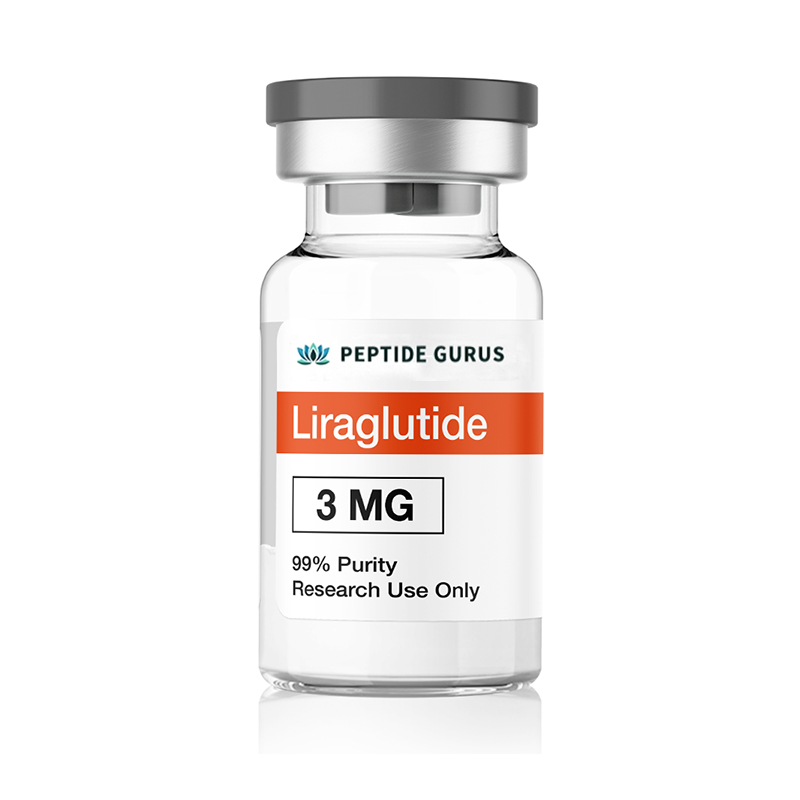
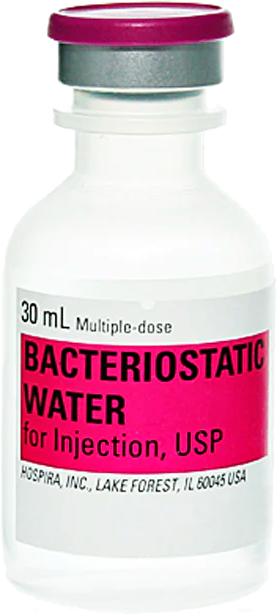
مجاني (1) 30 مل من الماء البكتيري مع أوامر مؤهلة أكثر $500 USD.
(excludes capsule products, cosmetic peptides, promo codes and shipping)
Liraglutide هو مشتق من GLP-1 ، وهو ببتيد يحدث بشكل طبيعي معروف بانخفاض مستويات السكر في الدم ويعزز إفراز الأنسولين. تظهر الأبحاث أن Liraglutide (GLP-1 التناظرية) قد يحسن أيضًا وظائف القلب والكبد والرئة مع المساعدة في إبطاء أو منع آثار مرض الزهايمر. وقد تبين أن liraglutide يقلل بشكل كبير من الشهية عن طريق تأخير إفراغ المعدة وتقليل حركية الأمعاء. تم تعديل Liraglutide للحصول على عمر نصف عمر أطول وعلم الدوريات المواتية.
Product Usage: This PRODUCT IS INTENDED AS A RESEARCH CHEMICAL ONLY. This designation allows the use of research chemicals strictly for in vitro testing and laboratory experimentation only. All product information available on this website is for educational purposes only. Bodily introduction of any kind into humans or animals is strictly forbidden by law. This product should only be handled by licensed, qualified professionals. This product is not a drug, food, or cosmetic and may not be misbranded, misused or mislabled as a drug, food or cosmetic.
نظرة عامة على Liraglutide و Peptide-1 الشبيه بالجلوكاجون
GLP-1, short for glucagon-like peptide-1 is a short, naturally occurring peptide hormone just 30-31 amino acids in length. Its primary physiologic function is to lower blood sugar levels by naturally enhancing insulin secretion. It also plays roles in protection beta cell insulin stores by promoting insulin gene transcription and has been linked with neurotrophic effects in the brain and central nervous system. In the GI system, GLP-1 has been shown to significantly decrease appetite by delaying gastric emptying and reducing intestinal motility. Preliminary research has shown impacts of GLP-1 in the heart, fat, muscles, bones, liver, lungs, and kidneys as well.
The primary focus of GLP-1 research has been in the realm of diabetes treatment/prevention as well as appetite suppression. Secondary research focuses on the potential cardiovascular benefits of the peptide. More recent, and thus less robust, research focuses on the ability of GLP-1 to stave off neurodegenerative disease. Though this latter area of research is newest, it is also the fast-growing area of GLP-1 study now that the peptide has been revealed to slow or prevent the accumulation of amyloid beta plaques in the setting of Alzheimer’s disease.
Perhaps the most important effect that GLP-1 has, according to Dr. Holst, is referred to as the “incretin effect.” Incretins are a group of metabolic hormones, released by the GI tract, that cause a decrease in blood glucose (sugar) levels. GLP-1 has been shown to be one of the two most important hormones (the other being GIP) to stimulate the incretin effect in rodent models. Though GIP circulates at levels roughly 10 times higher than that of GLP-1, there is evidence that GLP-1 is the more potent of the two molecules, particularly when levels of blood glucose are quite high.
A GLP-1 receptor has been identified on the surface of pancreatic beta cells, making it clear that GLP-1 directly stimulates the exocytosis of insulin from the pancreas. When combined with sulfonylurea drugs, GLP-1 has been shown to boost insulin secretion enough to cause mild hypoglycemia in up to 40% of subjects[1]. بطبيعة الحال ، يرتبط زيادة إفراز الأنسولين بعدد من التأثيرات الغذائية بما في ذلك زيادة تخليق البروتين ، وانخفاض في انهيار البروتين ، وزيادة امتصاص الأحماض الأمينية عن طريق العضلات الهيكلية.
GLP-1 وحماية خلايا بيتا
تشير الأبحاث في النماذج الحيوانية إلى أن GLP-1 يمكن أن يحفز نمو وتكاثر خلايا بيتا البنكرياس وأنه قد يحفز تمايز خلايا بيتا الجديدة على السلف في ظهارة القناة البنكرياسية. أظهرت الأبحاث أيضًا أن GLP-1 يمنع موت الخلايا المبرمج الخلايا بيتا[1]. Taken in sum, these effects tip the usual balance of beta cell growth and death toward growth, suggesting that the peptide may be useful in treating diabetes and in protecting the pancreas against insult that harms beta cells.
In one particularly compelling trial, GLP-1 was shown to inhibit the death of beta cells caused by enhanced levels of inflammatory cytokines. In fact, mouse models of type 1 diabetes have revealed that GLP-1 protects islet cells from destruction and may, in fact, be a useful means of preventing onset of the type 1 diabetes[2].
GLP-1 والشهية
تشير الأبحاث في نماذج الماوس إلى أن إدارة GLP-1 ، وابن عمه المماثل GLP-1 ، في أدمغة الفئران يمكن أن تقلل من الدافع لتناول الطعام وتثبيط تناول الطعام[3]. يبدو أن GLP-1 قد يعزز مشاعر الشبع فعليًا ، مما يساعد الأفراد على الشعور بالشعر والتقليل من الجوع بشكل غير مباشر. أظهرت الدراسات السريرية الحديثة في الفئران أن الإدارة اليومية مرتين من ناهضات مستقبلات GLP-1 تسبب فقدان الوزن الخطي التدريجي. على مدى فترة طويلة ، يرتبط فقدان الوزن هذا مع تحسن كبير في عوامل الخطر القلبية الوعائية وانخفاض مستويات الهيموغلوبين A1C ، والآخر من هذه العلامة وكيل لشدة مرض السكري وجودة السيطرة على السكر في الدم عن طريق العلاج[4].
الفوائد القلبية الوعائية المحتملة لـGLP-1
من المعروف الآن أن مستقبلات GLP-1 موزعة في جميع أنحاء القلب وتعمل على تحسين وظيفة القلب في أماكن معينة عن طريق زيادة معدل ضربات القلب وتقليل الضغط الانبساطي النهائي للبطين الأيسر.[5]. The latter may not seem like much, but increased LV end-diastolic pressure is associated with LV hypertrophy, cardiac remodeling, and eventual heart failure.
Recent evidence has even suggested that GLP-1 could play role in decreasing the overall damaged caused by a heart attack. It appears that the peptide improves cardiac muscle glucose uptake, thereby helping struggling ischemic heart muscle cells to get the nutrition they need to continue functioning and avoid programmed cell death. The increase in glucose uptake in these cells appears to independent of insulin[6].
Large infusions of GLP-1 into dogs have been shown to improve LV performance and reduce systemic vascular resistance. The latter effect can help to reduce blood pressure and ease strain on the heart as a result[7]. هذا ، بدوره ، يمكن أن يساعد في تقليل العواقب طويلة المدى لارتفاع ضغط الدم مثل إعادة عرض LV ، سماكة الأوعية الدموية ، وفشل القلب. وفقًا للدكتور هولست ، فإن إدارة GLP-1 بعد إصابة القلب "زادت باستمرار من أداء عضلة القلب في النماذج الحيوانية التجريبية والمرضى".
Size of damage in heart in control mice (A), mice given standard vasopressin therapy (B), and mice give GLP-1 (C).
Source: مجلة مرض السكري
GLP-1 والدماغ
هناك بعض الأدلة التي تشير إلى أن GLP-1 يمكن أن يحسن التعلم ويساعد على حماية الخلايا العصبية من الأمراض التنكسية العصبية مثل مرض الزهايمر. في إحدى الدراسات ، تبين أن GLP-1 يعزز التعلم النقابي والمكاني في الفئران وحتى لتحسين عجز التعلم في الفئران مع عيوب جينية محددة. في الفئران التي تفرط في التعبير عن مستقبلات GLP-1 في مناطق معينة من الدماغ ، فإن التعلم والذاكرة كلاهما أفضل بكثير من الضوابط الطبيعية[8].
Additional research in mice has shown that GLP-1 can help to protect against excitotoxic neuron damage, completely protecting rat models of neurodegeneration against glutamate-induced apoptosis. The peptide can even stimulate neurite outgrowth in cultured cells. Researchers are hopeful that additional research on GLP-1 will reveal how it might be used to halt or reverse certain neurodegenerative diseases[9].
Interestingly, GLP-1 and its analogue exendin-4 have been shown in mouse models to reduce levels of amyloid-beta in the brain as well as the beta-amyloid precursor protein found in neurons. Amyloid beta is the primary component of the plaques observed in Alzheimer’s disease, plaques which, while not necessarily known to be causative, are associated with the severity of the disease. It remains to be seen if preventing amyloid beta accumulation can protect against the effects of Alzheimer’s disease, but this research is, at the very least, a tantalizing clue as to how scientists my intervene in the progression of mild cognitive impairment to full Alzheimer’s disease[10].
GLP-1 exhibits minimal to moderate side effects, low oral and excellent subcutaneous bioavailability in mice. Per kg dosage in mice does not scale to humans. GLP-1 for sale at
معلمو الببتيد يقتصر على البحث التعليمي والعلمي فقط ، وليس للاستهلاك البشري. فقط شراء GLP-1 إذا كنت باحثًا مرخصًا.
عن المؤلف
The above literature was researched, edited and organized by Dr. Logan, M.D. Dr. Logan holds a doctorate degree from Case Western Reserve University School of Medicine and a B.S. in molecular biology.
مؤلف المجلة العلمية
In 1986 Professor ينس جول هولست discovered the GLP-1 hormone in connection with his work on stomach ulcer surgery. Since the discovery, Novo Nordisk have used the بحث to successfully develop products to treat diabetes and obesity. The hormone GLP-1 can be used to regulate blood sugar levels and satiety. Not only has it made treatment of obesity and diabetes possible, it has also proven useful preventatively through early diagnosis for citizens who are at risk of developing diabetes and obesity. In 2015, Jens Juul Holst received the prestigious international Fernström prize for his research on GLP-1. He is one of the most cited researchers in Europe, with over 1,200 published articles and citations in over 3,500 articles annually.
Professor Jens Juul Holst is being referenced as one of the leading scientists involved in the research and development of GLP-1. In no way is this doctor/scientist endorsing or advocating the purchase, sale, or use of this product for any reason. There is no affiliation or relationship, implied or otherwise, between
معلمو الببتيد وهذا الطبيب. الغرض من الاستشهاد بالطبيب هو الاعتراف والاعتراف والقيام بجهود البحث والتطوير الشامل التي أجراها العلماء الذين يدرسون هذا الببتيد. تم إدراج البروفيسور جينس جول هولست في [11] تحت الاستشهادات المشار إليها.
"العلاج المشترك مع Lisofylline و exendin-4 يعكس مرض السكري المناعي الذاتي.-PubMed-NCBI." [متصل].
"الببتيد المشتق من البروجلوكاجون ، الببتيد -2 الشبيه بالجلوكاجون ، هو ناقل عصبي يشارك في تنظيم تناول الطعام-PubMed-NCBI." [متصل].
"التحليل المؤقت لآثار علاج exenatide على عوامل الخطر القلبية والأوعية الدموية على مدار 82 أسبوعًا في 314 مريضًا يعانون من زيادة الوزن مع ... - PubMed - NCBI." [متصل].
"وظيفة القلب في الفئران التي تفتقر إلى مستقبلات الببتيد -1 التي تشبه الجلوكاجون.-PubMed-NCBI." [متصل].
"الببتيد الشبيه بالجلوكاجون 1 يمكن أن يحمي القلب مباشرة من إصابة نقص تروية/ضخه | مرض السكري." [متصل].
"يزيد الببتيد الذي يشبه الجلوكاجون الذي يشبه الجلوكاجون -1 من امتصاص الجلوكوز عضلة القلب ويحسن الأداء البطيني الأيسر في الكلاب الواعية مع سرعة السرعة ...-PubMed-NCBI." [متصل].
"حماية وعكس تلف الخلايا العصبية السامة من قبل الببتيد الشبيه بالجلوكاجون و exendin-4.-PubMed-NCBI." [متصل].
"استراتيجية مرض الزهايمر الجديد الإستراتيجية: GLP-1.-PubMed-NCBI." [متصل].
Holst JJ. From the Incretin Concept and the Discovery of GLP-1 to Today’s Diabetes Therapy. Front Endocrinol (Lausanne). 2019;10:260. Published 2019 Apr 26. doi:10.3389/fendo.2019.00260 https://www.ncbi.nlm.nih.gov/pmc/articles/PMC6497767/
ALL ARTICLES AND PRODUCT INFORMATION PROVIDED ON THIS WEBSITE ARE FOR INFORMATIONAL AND EDUCATIONAL PURPOSES ONLY.
تم تزويد المنتجات المقدمة على هذا الموقع للدراسات داخل المختبر فقط. يتم إجراء الدراسات داخل المختبر (اللاتينية: في الزجاج) خارج الجسم. هذه المنتجات ليست أدوية أو أدوية ولم تتم الموافقة عليها من قبل إدارة الأغذية والعقاقير لمنع أو علاج أو علاج أي حالة طبية أو مرض أو مرض. يُمنع قانون مقدمة جسدية من أي نوع إلى البشر أو الحيوانات.
الببتيدجوروس هو المورد الرائد للببتيدات البحثيات الأمريكية الصنع ، حيث تقدم منتجات عالية الجودة بأسعار تنافسية. مع التركيز على التميز وخدمة العملاء ، فإنها تضمن عملية طلب آمنة ومريحة مع الشحن العالمي.