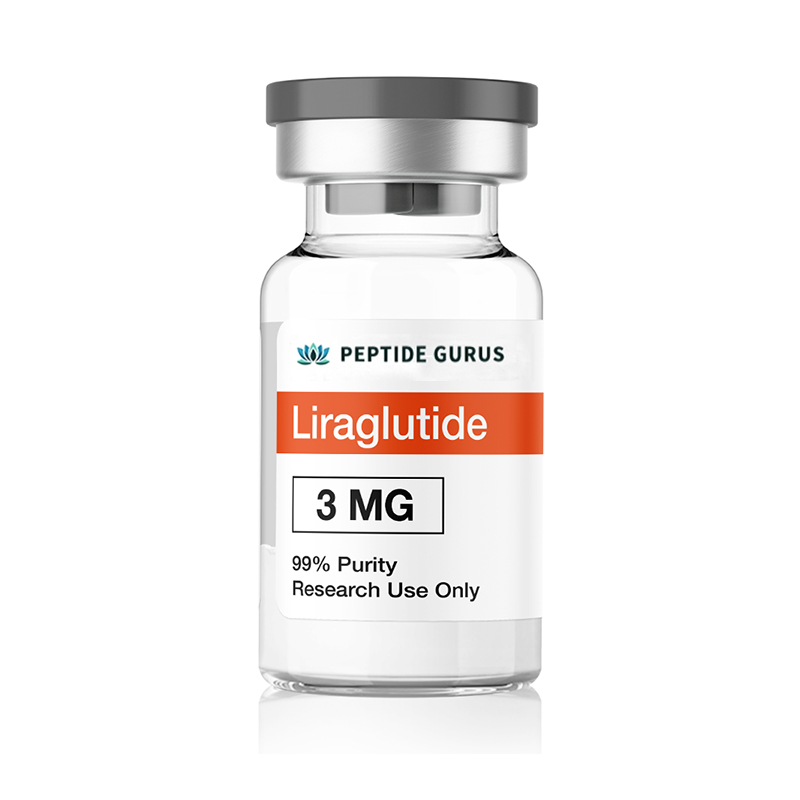
Email kami sekarang untuk melakukan pemesanan Anda dengan dukungan 1-on-1. Stok terbatas! Kami menerima Zelle, CashApp, Venmo, transfer bank, dan kripto.
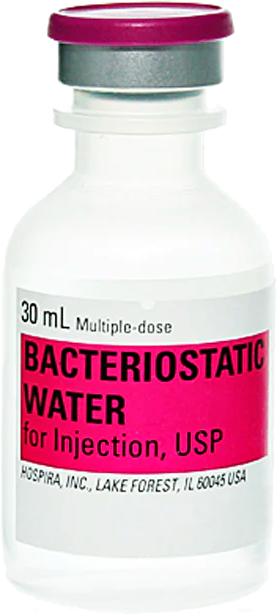
Bebas (1) 30 mL air bakteriostatik with qualified orders over $500 USD.
(excludes capsule products, cosmetic peptides, promo codes and shipping)
Liraglutide adalah turunan dari GLP-1, peptida yang terjadi secara alami yang diketahui menurunkan kadar gula darah dan meningkatkan sekresi insulin. Penelitian menunjukkan bahwa liraglutide (analog GLP-1) juga dapat meningkatkan fungsi jantung, hati, dan paru-paru sambil membantu memperlambat atau mencegah efek penyakit Alzheimer. Liraglutide telah terbukti secara signifikan mengurangi nafsu makan dengan menunda pengosongan lambung dan mengurangi motilitas usus. Liraglutide telah dimodifikasi untuk memiliki farmakokinetik waktu paruh yang lebih lama dan lebih menguntungkan.
Product Usage: This PRODUCT IS INTENDED AS A RESEARCH CHEMICAL ONLY. This designation allows the use of research chemicals strictly for in vitro testing and laboratory experimentation only. All product information available on this website is for educational purposes only. Bodily introduction of any kind into humans or animals is strictly forbidden by law. This product should only be handled by licensed, qualified professionals. This product is not a drug, food, or cosmetic and may not be misbranded, misused or mislabled as a drug, food or cosmetic.
Tinjauan Liraglutide dan Glucagon-Like Peptide-1
GLP-1, short for glucagon-like peptide-1 is a short, naturally occurring peptide hormone just 30-31 amino acids in length. Its primary physiologic function is to lower blood sugar levels by naturally enhancing insulin secretion. It also plays roles in protection beta cell insulin stores by promoting insulin gene transcription and has been linked with neurotrophic effects in the brain and central nervous system. In the GI system, GLP-1 has been shown to significantly decrease appetite by delaying gastric emptying and reducing intestinal motility. Preliminary research has shown impacts of GLP-1 in the heart, fat, muscles, bones, liver, lungs, and kidneys as well.
The primary focus of GLP-1 research has been in the realm of diabetes treatment/prevention as well as appetite suppression. Secondary research focuses on the potential cardiovascular benefits of the peptide. More recent, and thus less robust, research focuses on the ability of GLP-1 to stave off neurodegenerative disease. Though this latter area of research is newest, it is also the fast-growing area of GLP-1 study now that the peptide has been revealed to slow or prevent the accumulation of amyloid beta plaques in the setting of Alzheimer’s disease.
Perhaps the most important effect that GLP-1 has, according to Dr. Holst, is referred to as the “incretin effect.” Incretins are a group of metabolic hormones, released by the GI tract, that cause a decrease in blood glucose (sugar) levels. GLP-1 has been shown to be one of the two most important hormones (the other being GIP) to stimulate the incretin effect in rodent models. Though GIP circulates at levels roughly 10 times higher than that of GLP-1, there is evidence that GLP-1 is the more potent of the two molecules, particularly when levels of blood glucose are quite high.
A GLP-1 receptor has been identified on the surface of pancreatic beta cells, making it clear that GLP-1 directly stimulates the exocytosis of insulin from the pancreas. When combined with sulfonylurea drugs, GLP-1 has been shown to boost insulin secretion enough to cause mild hypoglycemia in up to 40% of subjects[1]. Tentu saja, peningkatan sekresi insulin dikaitkan dengan sejumlah efek trofik termasuk peningkatan sintesis protein, pengurangan kerusakan protein, dan peningkatan penyerapan asam amino oleh otot rangka.
Perlindungan sel GLP-1 dan beta
Penelitian dalam model hewan menunjukkan bahwa GLP-1 dapat merangsang pertumbuhan dan proliferasi sel beta pankreas dan dapat merangsang diferensiasi sel beta baru membentuk progenitor dalam epitel saluran pankreas. Penelitian juga menunjukkan bahwa GLP-1 menghambat apoptosis sel beta[1]. Taken in sum, these effects tip the usual balance of beta cell growth and death toward growth, suggesting that the peptide may be useful in treating diabetes and in protecting the pancreas against insult that harms beta cells.
In one particularly compelling trial, GLP-1 was shown to inhibit the death of beta cells caused by enhanced levels of inflammatory cytokines. In fact, mouse models of type 1 diabetes have revealed that GLP-1 protects islet cells from destruction and may, in fact, be a useful means of preventing onset of the type 1 diabetes[2].
GLP-1 dan nafsu makan
Penelitian dalam model tikus menunjukkan bahwa pemberian GLP-1, dan sepupunya yang serupa GLP-1, ke dalam otak tikus dapat mengurangi dorongan untuk makan dan menghambat asupan makanan[3]. Tampaknya GLP-1 sebenarnya dapat meningkatkan perasaan kenyang, membantu individu untuk merasa lebih penuh dan mengurangi kelaparan secara tidak langsung. Studi klinis baru-baru ini telah menunjukkan pada tikus bahwa pemberian agonis reseptor GLP-1 dua kali sehari menyebabkan penurunan berat badan secara bertahap dan linier. Dalam periode yang lama, penurunan berat badan ini dikaitkan dengan peningkatan yang signifikan dalam faktor risiko kardiovaskular dan pengurangan kadar hemoglobin A1c, yang terakhir ini adalah penanda proksi untuk keparahan diabetes dan kualitas kontrol gula darah yang dicapai melalui pengobatan[4].
Potensi manfaat kardiovaskular dari GLP-1
Sekarang diketahui bahwa reseptor GLP-1 didistribusikan di seluruh jantung dan bertindak untuk meningkatkan fungsi jantung dalam pengaturan tertentu dengan meningkatkan detak jantung dan mengurangi tekanan diastolik ventrikel kiri kiri[5]. The latter may not seem like much, but increased LV end-diastolic pressure is associated with LV hypertrophy, cardiac remodeling, and eventual heart failure.
Recent evidence has even suggested that GLP-1 could play role in decreasing the overall damaged caused by a heart attack. It appears that the peptide improves cardiac muscle glucose uptake, thereby helping struggling ischemic heart muscle cells to get the nutrition they need to continue functioning and avoid programmed cell death. The increase in glucose uptake in these cells appears to independent of insulin[6].
Large infusions of GLP-1 into dogs have been shown to improve LV performance and reduce systemic vascular resistance. The latter effect can help to reduce blood pressure and ease strain on the heart as a result[7]. Ini, pada gilirannya, dapat membantu mengurangi konsekuensi jangka panjang dari tekanan darah tinggi seperti remodeling LV, penebalan pembuluh darah, dan gagal jantung. Menurut Dr. Holst, pemberian GLP-1 setelah cedera jantung telah "terus-menerus meningkatkan kinerja miokard baik dalam model hewan eksperimental dan pada pasien."
Size of damage in heart in control mice (A), mice given standard vasopressin therapy (B), and mice give GLP-1 (C).
Source: Jurnal Diabetes
GLP-1 dan otak
Ada beberapa bukti yang menunjukkan bahwa GLP-1 dapat meningkatkan pembelajaran dan membantu melindungi neuron terhadap penyakit neurodegeneratif seperti penyakit Alzheimer. Dalam satu penelitian, GLP-1 terbukti meningkatkan pembelajaran asosiatif dan spasial pada tikus dan bahkan untuk meningkatkan defisit pembelajaran pada tikus dengan cacat gen spesifik. Pada tikus yang mengekspresikan reseptor GLP-1 secara berlebihan di daerah tertentu di otak, pembelajaran dan memori keduanya secara signifikan lebih baik daripada pada kontrol normal mereka[8].
Additional research in mice has shown that GLP-1 can help to protect against excitotoxic neuron damage, completely protecting rat models of neurodegeneration against glutamate-induced apoptosis. The peptide can even stimulate neurite outgrowth in cultured cells. Researchers are hopeful that additional research on GLP-1 will reveal how it might be used to halt or reverse certain neurodegenerative diseases[9].
Interestingly, GLP-1 and its analogue exendin-4 have been shown in mouse models to reduce levels of amyloid-beta in the brain as well as the beta-amyloid precursor protein found in neurons. Amyloid beta is the primary component of the plaques observed in Alzheimer’s disease, plaques which, while not necessarily known to be causative, are associated with the severity of the disease. It remains to be seen if preventing amyloid beta accumulation can protect against the effects of Alzheimer’s disease, but this research is, at the very least, a tantalizing clue as to how scientists my intervene in the progression of mild cognitive impairment to full Alzheimer’s disease[10].
GLP-1 exhibits minimal to moderate side effects, low oral and excellent subcutaneous bioavailability in mice. Per kg dosage in mice does not scale to humans. GLP-1 for sale at
Guru peptida terbatas hanya pada penelitian pendidikan dan ilmiah, bukan untuk konsumsi manusia. Hanya beli GLP-1 jika Anda seorang peneliti berlisensi.
Tentang penulis
The above literature was researched, edited and organized by Dr. Logan, M.D. Dr. Logan holds a doctorate degree from Case Western Reserve University School of Medicine and a B.S. in molecular biology.
Penulis Jurnal Ilmiah
In 1986 Professor Jens Juul Holst discovered the GLP-1 hormone in connection with his work on stomach ulcer surgery. Since the discovery, Novo Nordisk have used the riset to successfully develop products to treat diabetes and obesity. The hormone GLP-1 can be used to regulate blood sugar levels and satiety. Not only has it made treatment of obesity and diabetes possible, it has also proven useful preventatively through early diagnosis for citizens who are at risk of developing diabetes and obesity. In 2015, Jens Juul Holst received the prestigious international Fernström prize for his research on GLP-1. He is one of the most cited researchers in Europe, with over 1,200 published articles and citations in over 3,500 articles annually.
Professor Jens Juul Holst is being referenced as one of the leading scientists involved in the research and development of GLP-1. In no way is this doctor/scientist endorsing or advocating the purchase, sale, or use of this product for any reason. There is no affiliation or relationship, implied or otherwise, between
Guru peptida dan dokter ini. Tujuan dari mengutip dokter adalah untuk mengakui, mengenali, dan menghargai penelitian lengkap dan upaya pengembangan yang dilakukan oleh para ilmuwan yang mempelajari peptida ini. Profesor Jens Juul Holst terdaftar di [11] di bawah kutipan yang direferensikan.
Kutipan yang direferensikan
“Fisiologi peptida seperti glukagon 1 | Ulasan Fisiologis.” [On line].
“Pengobatan kombinasi dengan lisofilin dan exendin-4 membalikkan diabetes autoimun.-PubMed-NCBI.” [On line].
"Peptida yang diturunkan dari proglucagon, peptida-2 seperti glukagon, adalah neurotransmitter yang terlibat dalam regulasi asupan makanan.-PubMed-NCBI." [On line].
“Analisis sementara efek dari pengobatan exenatide pada A1C, berat badan dan faktor risiko kardiovaskular selama 82 minggu pada 314 pasien yang kelebihan berat badan dengan… - PubMed - NCBI.” [On line].
"Fungsi jantung pada tikus yang tidak memiliki reseptor peptida-1 seperti glukagon.-PubMed-NCBI." [On line].
"Peptida seperti glukagon 1 dapat secara langsung melindungi jantung dari cedera iskemia/reperfusi | diabetes." [On line].
"Peptida-1 seperti glukagon rekombinan meningkatkan penyerapan glukosa miokard dan meningkatkan kinerja ventrikel kiri pada anjing sadar dengan mondar-mandir ...-PubMed-NCBI." [On line].
"Reseptor peptida-1 seperti glukagon terlibat dalam pembelajaran dan perlindungan saraf.-PubMed-NCBI." [On line].
"Perlindungan dan Pembalikan Kerusakan Neuron Ekitotoksik oleh Peptida-1 seperti Glucagon dan Exendin-4.-PubMed-NCBI." [On line].
“Strategi Intervensional Penyakit Alzheimer Baru: GLP-1.-PubMed-NCBI.” [On line].
Holst JJ. From the Incretin Concept and the Discovery of GLP-1 to Today’s Diabetes Therapy. Front Endocrinol (Lausanne). 2019;10:260. Published 2019 Apr 26. doi:10.3389/fendo.2019.00260 https://www.ncbi.nlm.nih.gov/pmc/articles/PMC6497767/
ALL ARTICLES AND PRODUCT INFORMATION PROVIDED ON THIS WEBSITE ARE FOR INFORMATIONAL AND EDUCATIONAL PURPOSES ONLY.
Produk yang ditawarkan di situs web ini dilengkapi hanya untuk studi in-vitro. Studi in-vitro (Latin: dalam kaca) dilakukan di luar tubuh. Produk -produk ini bukan obat -obatan atau obat -obatan dan belum disetujui oleh FDA untuk mencegah, mengobati atau menyembuhkan kondisi medis, penyakit atau penyakit apa pun. Pengenalan tubuh dalam bentuk apa pun ke dalam manusia atau hewan dilarang secara ketat oleh hukum.
Peptidegurus adalah pemasok terkemuka peptida penelitian buatan Amerika, menawarkan produk berkualitas tinggi dengan harga kompetitif. Dengan fokus pada keunggulan dan layanan pelanggan, mereka memastikan proses pemesanan yang aman dan nyaman dengan pengiriman global.