Mail ons nu om je bestelling te plaatsen met 1-op-1 ondersteuning. Beperkte voorraad! Wij accepteren Zelle, CashApp, Venmo, bankoverschrijving en crypto.
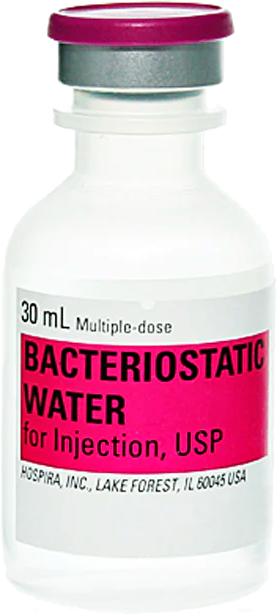
Gratis (1) 30 ml Bacteriostatisch Water with qualified orders over $500 USD.
(excludes capsule products, cosmetic peptides, promo codes and shipping)
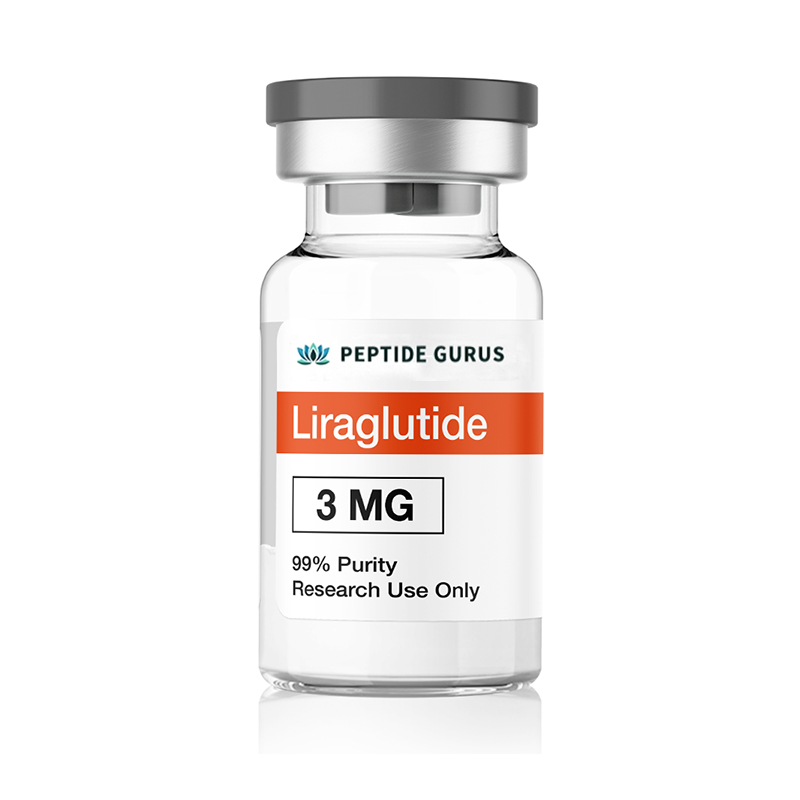
Liraglutide is een afgeleide van GLP-1, een natuurlijk voorkomend peptide dat bekend is om de bloedsuikerspiegel te verlagen en de insulinesecretie te verbeteren. Onderzoek toont aan dat liraglutide (GLP-1 analoog) ook de hart-, lever- en longfunctie kan verbeteren, terwijl de effecten van de ziekte van Alzheimer kunnen vertragen of voorkomen. Van liraglutide is aangetoond dat het de eetlust aanzienlijk vermindert door maaglediging uit te stellen en de darmmotiliteit te verminderen. Liraglutide is aangepast met een langere halfwaardetijd en gunstiger farmacokinetiek.
Product Usage: This PRODUCT IS INTENDED AS A RESEARCH CHEMICAL ONLY. This designation allows the use of research chemicals strictly for in vitro testing and laboratory experimentation only. All product information available on this website is for educational purposes only. Bodily introduction of any kind into humans or animals is strictly forbidden by law. This product should only be handled by licensed, qualified professionals. This product is not a drug, food, or cosmetic and may not be misbranded, misused or mislabled as a drug, food or cosmetic.
Liraglutide en glucagon-achtig peptide-1 overzicht
GLP-1, short for glucagon-like peptide-1 is a short, naturally occurring peptide hormone just 30-31 amino acids in length. Its primary physiologic function is to lower blood sugar levels by naturally enhancing insulin secretion. It also plays roles in protection beta cell insulin stores by promoting insulin gene transcription and has been linked with neurotrophic effects in the brain and central nervous system. In the GI system, GLP-1 has been shown to significantly decrease appetite by delaying gastric emptying and reducing intestinal motility. Preliminary research has shown impacts of GLP-1 in the heart, fat, muscles, bones, liver, lungs, and kidneys as well.
The primary focus of GLP-1 research has been in the realm of diabetes treatment/prevention as well as appetite suppression. Secondary research focuses on the potential cardiovascular benefits of the peptide. More recent, and thus less robust, research focuses on the ability of GLP-1 to stave off neurodegenerative disease. Though this latter area of research is newest, it is also the fast-growing area of GLP-1 study now that the peptide has been revealed to slow or prevent the accumulation of amyloid beta plaques in the setting of Alzheimer’s disease.
Perhaps the most important effect that GLP-1 has, according to Dr. Holst, is referred to as the “incretin effect.” Incretins are a group of metabolic hormones, released by the GI tract, that cause a decrease in blood glucose (sugar) levels. GLP-1 has been shown to be one of the two most important hormones (the other being GIP) to stimulate the incretin effect in rodent models. Though GIP circulates at levels roughly 10 times higher than that of GLP-1, there is evidence that GLP-1 is the more potent of the two molecules, particularly when levels of blood glucose are quite high.
A GLP-1 receptor has been identified on the surface of pancreatic beta cells, making it clear that GLP-1 directly stimulates the exocytosis of insulin from the pancreas. When combined with sulfonylurea drugs, GLP-1 has been shown to boost insulin secretion enough to cause mild hypoglycemia in up to 40% of subjects[1]. Natuurlijk wordt een verhoogde insulinesecretie geassocieerd met een aantal trofische effecten, waaronder verhoogde eiwitsynthese, vermindering van de afbraak van eiwitten en verhoogde opname van aminozuren door skeletspier.
GLP-1 en Beta-celbescherming
Onderzoek in diermodellen suggereert dat GLP-1 de groei en proliferatie van pancreas-bètacellen kan stimuleren en dat het de differentiatie van nieuwe bètacellen kan stimuleren, vormen voorlopers in het pancreaskanaalepitheel. Onderzoek heeft ook aangetoond dat GLP-1 bèta-celapoptose remt[1]. Taken in sum, these effects tip the usual balance of beta cell growth and death toward growth, suggesting that the peptide may be useful in treating diabetes and in protecting the pancreas against insult that harms beta cells.
In one particularly compelling trial, GLP-1 was shown to inhibit the death of beta cells caused by enhanced levels of inflammatory cytokines. In fact, mouse models of type 1 diabetes have revealed that GLP-1 protects islet cells from destruction and may, in fact, be a useful means of preventing onset of the type 1 diabetes[2].
GLP-1 en eetlust
Onderzoek in muismodellen suggereert dat toediening van GLP-1 en de vergelijkbare neef GLP-1 in de hersenen van muizen de drang om te eten kan verminderen en de voedselinname kan remmen[3]. Het lijkt erop dat GLP-1 gevoelens van verzadiging daadwerkelijk kan verbeteren, waardoor individuen zich indirect voller voelen en honger indirect verminderen. Recente klinische studies hebben bij muizen aangetoond dat tweemaal daags toediening van GLP-1-receptoragonisten geleidelijk, lineair gewichtsverlies veroorzaakt. Gedurende een lange periode wordt dit gewichtsverlies geassocieerd met een significante verbetering van cardiovasculaire risicofactoren en een verlaging van hemoglobine A1C -niveaus, de laatste is een proxy -marker voor de ernst van diabetes en de kwaliteit van de bloedsuikercontrole die via behandeling wordt bereikt[4].
Potentiële cardiovasculaire voordelen van GLP-1
Het is nu weten dat GLP-1-receptoren over het hart worden verdeeld en handelen om de hartfunctie te verbeteren in bepaalde instellingen door de hartslag te verhogen en de linker ventriculaire einddiastolische druk te verminderen[5]. The latter may not seem like much, but increased LV end-diastolic pressure is associated with LV hypertrophy, cardiac remodeling, and eventual heart failure.
Recent evidence has even suggested that GLP-1 could play role in decreasing the overall damaged caused by a heart attack. It appears that the peptide improves cardiac muscle glucose uptake, thereby helping struggling ischemic heart muscle cells to get the nutrition they need to continue functioning and avoid programmed cell death. The increase in glucose uptake in these cells appears to independent of insulin[6].
Large infusions of GLP-1 into dogs have been shown to improve LV performance and reduce systemic vascular resistance. The latter effect can help to reduce blood pressure and ease strain on the heart as a result[7]. Dit kan op zijn beurt helpen om de langetermijngevolgen van hoge bloeddruk zoals LV-remodellering, vasculaire verdikking en hartfalen te verminderen. Volgens Dr. Holst heeft toediening van GLP-1 na hartletsel "constant verhoogde myocardiale prestaties zowel in experimentele diermodellen als bij patiënten."
Size of damage in heart in control mice (A), mice given standard vasopressin therapy (B), and mice give GLP-1 (C).
Source: Diabetesjournaal
GLP-1 en de hersenen
Er zijn aanwijzingen dat GLP-1 het leren kan verbeteren en helpt neuronen te beschermen tegen neurodegeneratieve ziekten zoals de ziekte van Alzheimer. In één onderzoek bleek GLP-1 het associatief en ruimtelijk leren bij muizen te verbeteren en zelfs om de leertekorten bij muizen met specifieke gendefecten te verbeteren. Bij ratten die de GLP-1-receptor in bepaalde hersengebieden overexpressie brengen, zijn leren en geheugen beide aanzienlijk beter dan in hun normale controles[8].
Additional research in mice has shown that GLP-1 can help to protect against excitotoxic neuron damage, completely protecting rat models of neurodegeneration against glutamate-induced apoptosis. The peptide can even stimulate neurite outgrowth in cultured cells. Researchers are hopeful that additional research on GLP-1 will reveal how it might be used to halt or reverse certain neurodegenerative diseases[9].
Interestingly, GLP-1 and its analogue exendin-4 have been shown in mouse models to reduce levels of amyloid-beta in the brain as well as the beta-amyloid precursor protein found in neurons. Amyloid beta is the primary component of the plaques observed in Alzheimer’s disease, plaques which, while not necessarily known to be causative, are associated with the severity of the disease. It remains to be seen if preventing amyloid beta accumulation can protect against the effects of Alzheimer’s disease, but this research is, at the very least, a tantalizing clue as to how scientists my intervene in the progression of mild cognitive impairment to full Alzheimer’s disease[10].
GLP-1 exhibits minimal to moderate side effects, low oral and excellent subcutaneous bioavailability in mice. Per kg dosage in mice does not scale to humans. GLP-1 for sale at
Peptidegoeroes is alleen beperkt tot educatief en wetenschappelijk onderzoek, niet voor menselijke consumptie. Koop alleen GLP-1 als u een erkende onderzoeker bent.
Over de auteur
The above literature was researched, edited and organized by Dr. Logan, M.D. Dr. Logan holds a doctorate degree from Case Western Reserve University School of Medicine and a B.S. in molecular biology.
Wetenschappelijke tijdschrift Auteur
In 1986 Professor Jens Juul Holst discovered the GLP-1 hormone in connection with his work on stomach ulcer surgery. Since the discovery, Novo Nordisk have used the onderzoek to successfully develop products to treat diabetes and obesity. The hormone GLP-1 can be used to regulate blood sugar levels and satiety. Not only has it made treatment of obesity and diabetes possible, it has also proven useful preventatively through early diagnosis for citizens who are at risk of developing diabetes and obesity. In 2015, Jens Juul Holst received the prestigious international Fernström prize for his research on GLP-1. He is one of the most cited researchers in Europe, with over 1,200 published articles and citations in over 3,500 articles annually.
Professor Jens Juul Holst is being referenced as one of the leading scientists involved in the research and development of GLP-1. In no way is this doctor/scientist endorsing or advocating the purchase, sale, or use of this product for any reason. There is no affiliation or relationship, implied or otherwise, between
Peptidegoeroes en deze dokter. Het doel van het citeren van de arts is om de uitputtende onderzoeks- en ontwikkelingsinspanningen van de wetenschappers die dit peptide bestuderen te erkennen, te erkennen en te crediteren. Professor Jens Juul Holst wordt vermeld in [11] onder de citaten van de verwezen.
Vermeld citaten
"De fysiologie van glucagon-achtige peptide 1 | fysiologische beoordelingen." [Online].
"Gecombineerde behandeling met Lisofylline en Exendin-4 keert auto-immuun diabetes om-PubMed-NCBI." [Online].
"Het van proglucagon afgeleide peptide, glucagon-achtige peptide-2, is een neurotransmitter die betrokken is bij de regulatie van voedselinname.-PubMed-NCBI." [Online].
"Tussentijdse analyse van de effecten van exenatide -behandeling op A1C, gewicht en cardiovasculaire risicofactoren gedurende 82 weken bij 314 patiënten met overgewicht met ... - PubMed - NCBI." [Online].
"Cardiale functie bij muizen zonder de glucagon-achtige peptide-1-receptor.-PubMed-NCBI." [Online].
"Glucagon-achtige peptide 1 kan het hart rechtstreeks beschermen tegen ischemie/reperfusie letsel | Diabetes." [Online].
"Recombinant glucagon-achtige peptide-1 verhoogt de opname van de myocardiale glucose en verbetert de linkerventrikelprestaties bij bewuste honden met pacing-ind ...-PubMed-NCBI." [Online].
"Glucagon-achtige peptide-1-receptor is betrokken bij leren en neuroprotectie.-PubMed-NCBI." [Online].
"Bescherming en omkering van excitotoxische neuronale schade door glucagon-achtige peptide-1 en exendin-4.-PubMed-NCBI." [Online].
"Een nieuwe interventieve strategie van de ziekte van Alzheimer: GLP-1.-PubMed-NCBI." [Online].
Holst JJ. From the Incretin Concept and the Discovery of GLP-1 to Today’s Diabetes Therapy. Front Endocrinol (Lausanne). 2019;10:260. Published 2019 Apr 26. doi:10.3389/fendo.2019.00260 https://www.ncbi.nlm.nih.gov/pmc/articles/PMC6497767/
ALL ARTICLES AND PRODUCT INFORMATION PROVIDED ON THIS WEBSITE ARE FOR INFORMATIONAL AND EDUCATIONAL PURPOSES ONLY.
De producten die op deze website worden aangeboden, zijn alleen ingericht voor in-vitro-studies. In-vitro-onderzoeken (Latijn: in glas) worden buiten het lichaam uitgevoerd. Deze producten zijn geen medicijnen of medicijnen en zijn niet goedgekeurd door de FDA om een medische aandoening, kwaal of ziekte te voorkomen, te behandelen of te genezen. Lichamelijke introductie van welke aard dan ook in mensen of dieren is ten strengste wettelijk verboden.
Peptidegurus is een toonaangevende leverancier van Amerikaanse onderzoekspeptiden en biedt producten van topkwaliteit tegen concurrerende prijzen. Met een focus op excellentie en klantenservice, zorgen ze voor een veilig en handig bestelproces met wereldwijde verzending.