

• Prostamax (Bioregulator) peptide anti - aging mechanism exploration
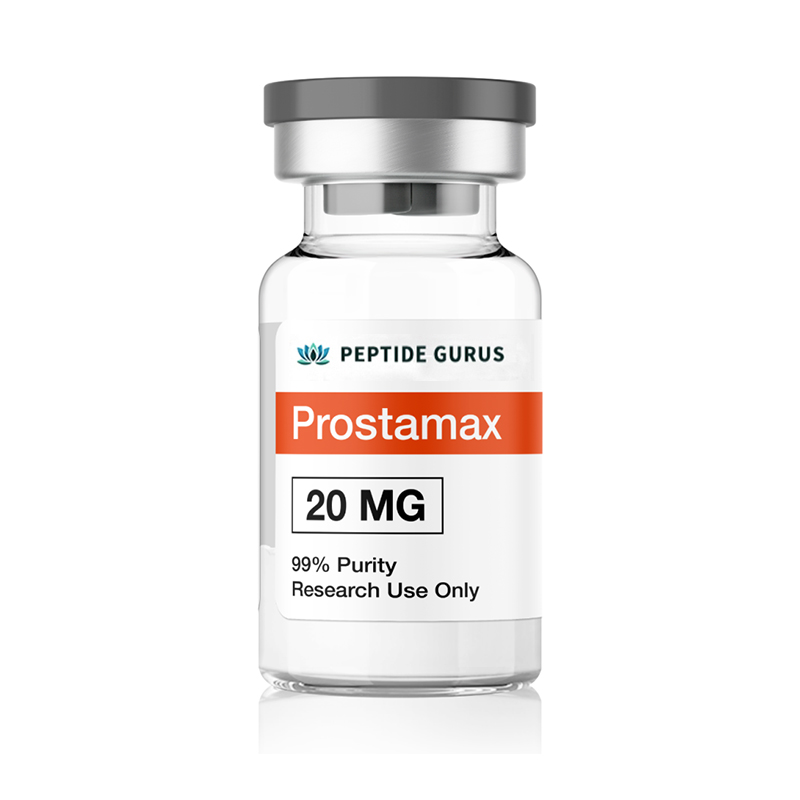
Prostamax 20mg (bioregolatore)
X
Prostamax 20mg (bioregolatore)

Prostamax 20mg (bioregolatore)

Categorie: , ,

Contatto per ordine
Scrivici subito per effettuare il tuo ordine con supporto individuale. Scorte limitate! Accettiamo Zelle, CashApp, Venmo, bonifici bancari e criptovalute.
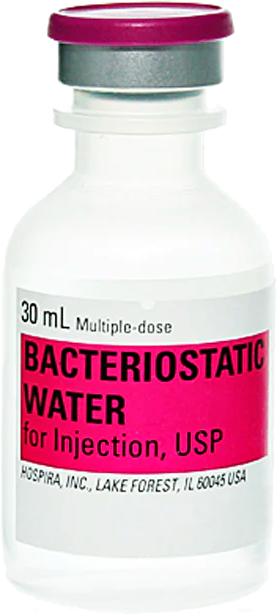
Acqua batteriostatica

Acqua batteriostatica libera (1) da 30 ml
with qualified orders over $500 USD. (excludes capsule products, cosmetic peptides, promo codes and shipping)

Prostamax è un peptide bioregolatore sintetico Khavinson con profondi effetti sulla condensazione del DNA in un numero di cellule. Sebbene sia principalmente interessante per i suoi effetti anti-invecchiamento e anti-infiammatorio sulla prostata, è stato anche dimostrato che Prostamax ottimizza la funzione di un numero di cellule all'interno del corpo (ad esempio linfociti) alterando i controlli epigenetici sul DNA.
Product Usage: This PRODUCT IS INTENDED AS A RESEARCH CHEMICAL ONLY. This designation allows the use of research chemicals strictly for in vitro testing and laboratory experimentation only. All product information available on this website is for educational purposes only. Bodily introduction of any kind into humans or animals is strictly forbidden by law. This product should only be handled by licensed, qualified professionals. This product is not a drug, food, or cosmetic and may not be misbranded, misused or mislabled as a drug, food or cosmetic.

PROSTAMAX 20MG – Research Grade Peptide

Prostamax is a bioregulatory peptide primarily studied in prostate and urogenital system research. It has been widely used in studies related to cellular regulation, tissue differentiation, and age-related functional changes within prostate tissues.

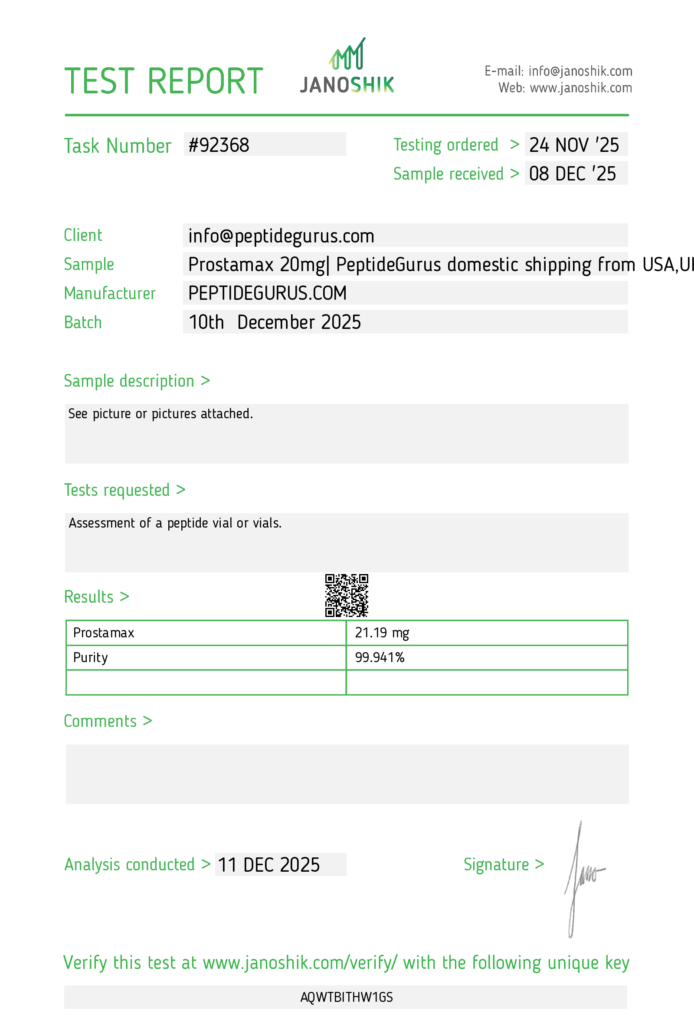
Nostro Prostamax 20mg is manufactured under strict quality control standards to ensure high purity, structural stability, and consistent batch performance. The lyophilized presentation allows for easy handling, extended shelf life, and reliable storage conditions.

This peptide is suitable for research facilities, pharmaceutical development teams, and peptide distributors specializing in urogenital and endocrine-related research.

Prostamax

Prostamax è un peptide khavinson sintetico con effetti di riparazione primari nella prostata [1]. Il peptide ha anche dimostrato di migliorare la funzione dei linfociti e alterare i modelli di espressione del DNA in altri tessuti. Prostamax è considerato uno dei peptidi khavinson anti-età più ampi perché promuove il deconDensing di eterocromatina in una grande varietà di cellule. La ricerca sui ratti indica che Prostamax può essere utile nel trattamento della prostatite cronica. Vi è una speculazione che l'uso a lungo termine possa scongiurare il cancro, sebbene non siano ancora stati eseguiti studi sufficiente per dimostrare che ciò non siano stati eseguiti.

Struttura Prostamax

Amino Acid Sequence: Lys-Glu-Asp-Pro (KEDP) Molecular Formula: C20H33N5O9 Molecular Weight: 487.5 g/mol PubChem CID: 9848296 Synonyms: SCHEMBL6660498 MoleculeSource: PubChem

Prostamax e prostata

Chronic prostate inflammation (called chronic prostatitis) affects as many as 16% of men at some point in their lives. It is a painful condition causing burning with urination, urgency, and trouble voiding. It can even cause difficult or painful ejaculation along with pain in the lower back. It is notoriously difficult to treat, often requiring long-term antibiotic treatment over months. There is also good evidence to suggest that it can lead to cardiovascular disease and even cancer, so treating prostatitis is crucial to long-term health[2]. Research in rat models shows that prostatitis can be treated with Prostamax, which reduces the signs and symptoms of the disease. Rats treated with Prostamax for just 15 days showed reduce swelling of the prostate gland along with less vascular congestion (hyperemia) and less infiltration by cells of the immune system. Interestingly, the rats also showed decreased levels of scarring in the prostate, indicating that the reduction in inflammation was slowing or even stopping pathological remodeling. Though the study was not carried out long enough or on enough rats to assess Prostamax’s effect on the risk for cancer, the results suggest that it would likely diminish the risk by reducing chronic inflammation that leads to pathological hypertrophy and hyperplasia[3]. According to Dr. Angelina Pakhomova, what makes the above study on Prostamax extra exciting is that it was effective in treating a form of prostatitis called chronic abacterial prostatitis (CAP). CAP is the most common form of prostatitis, but it is difficult to treat because it isn’t caused by a bacterial infection. Bacterial infections respond readily to antibiotics. CAP, on the other hand, does not respond as well to antibiotic treatment and sometimes doesn’t respond at all. It is also more likely to recur and has been shown to be exceptionally frustrating to those who suffer from it. Having an alternative treatment that is effective in CAP could improve quality of life for many men and ward off future disease. Finding a treatment for CAP is more important than ever as rates of the condition have increased almost 3-fold since the end of the 20th century.

Prostamax e sistema immunitario

Though Prostamax is considered to be tissue-specific, there is ample evidence that the bioreulator acts on cells outside of the prostate. The most consequential effects are on the ribosomes and densely packed chromatin found in lymphocytes. In these cells, Prostamax, like Epithalon and Vilon, serves to increase expression of ribosomes which are responsible for the translation of mRNA into proteins. It also opens up densely packed chromatin to make genes more accessible for transcription into mRNA. Thus, Prostamax sets the stage for increased gene expression at every level, allowing for a functional change in the health of lymphocytes[4], [5]. The impact of Prostamax on the immune system is not just theoretical either. Research shows that the peptide helps to reduce signs of chronic prostate inflammation including swelling, hyperemia, and lymphocyte infiltration.[3] This results both from the influence Prostamax has on lymphocytes and their control over the immune response as well as the role the peptide plays in normalizing growth and differentiation of prostate cells.

Prostamax e invecchiamento

The effects that Prostamax has on lymphocytes and cells of the prostate are part of a larger effect it has one many different types of cells. Research in cell cultures taken from older individuals shows that Prostamax alters DNA structure by decondensing heterochromatin. This, in turn, allows for greater expression of DNA that was inactivated via dense packaging of DNA[6]. What makes this remarkable in terms of aging is that condensation of DNA is a normal, if undesirable, consequence of aging. DNA condensation is a primary driver of both senescence and apoptosis, making it one of the most important mechanisms of aging. By unpacking DNA, Prostamax is literally giving the cells a more youthful genetic profile. The results are increased proliferation of cells, decreased apoptosis (programmed cell death), and improved protein expression and cell function. Interestingly, Prostamax and similar epigenetically active peptides are found naturally in long-lived rodent species like the African mole rat. These same peptides are non found in short-lived species[7]. This indicates that the epigenetic effects that have been observed with peptides like Prostamax are, in fact, directly related to aging and longevity.

Riepilogo Prostamax

Prostamax è un peptide Khavinson sintetico con profondi effetti sulla condensazione del DNA in un numero di cellule. Sebbene sia principalmente interessante per i suoi effetti anti-invecchiamento e anti-infiammatorio sulla prostata, è stato anche dimostrato che Prostamax ottimizza la funzione di un numero di cellule all'interno del corpo (ad esempio linfociti) alterando i controlli epigenetici sul DNA.

Autore dell'articolo

The above literature was researched, edited and organized by Dr. E. Logan, M.D. Dr. E. Logan holds a doctorate degree from Case Western Reserve University School of Medicine and a B.S. in molecular biology.

Autore della rivista scientifica

Vladimir Khavinson is a Professor, President of the European region of the International Association of Gerontology and Geriatrics; Member of the Accademie russe e ucraine delle scienze mediche; Main gerontologist of the Health Committee of the Government of Saint Petersburg, Russia; Director of the Saint Petersburg Institute of Bioregulation and Gerontology; Vice-president of Gerontological Society of the Accademia delle scienze russe; Head of the Chair of Gerontology and Geriatrics of the North-Western State Medical University, St-Petersburg; Colonel of medical service (USSR, Russia), retired. Vladimir Khavinson is known for the discovery, experimental and clinical studies of new classes of peptide bioregulators as well as for the development of bioregulating peptide therapy. He is engaged in studying of the role of peptides in regulation of the mechanisms of ageing. His main field of actions is design, pre-clinical and clinical studies of new peptide geroprotettori. A 40-year-long investigation resulted in a multitude of methods of application of peptide bioregulators to slow down the process of ageing and increase human life span. Six peptide-based pharmaceuticals and 64 peptide food supplements have been introduced into clinical practice by V. Khavinson. He is an author of 196 patents (Russian and international) as well as of 775 scientific publications. His major achievements are presented in two books: “Peptides and Ageing” (NEL, 2002) and “Gerontological aspects of genome peptide regulation” (Karger AG, 2005). Vladimir Khavinson introduced scientific specialty “Gerontology and Geriatrics” in the Russian Federation on the governmental level. Academic Council headed by V. Khavinson has oversighted over 200 Ph.D. and Doctorate theses from many different countries. Prof. Vladimir Khavinson is being referenced as one of the leading scientists involved in the research and development of Prostamax. In no way is this doctor/scientist endorsing or advocating the purchase, sale, or use of this product for any reason. There is no affiliation or relationship, implied or otherwise, between
Guru peptidici e questo dottore. Lo scopo di citare il medico è di riconoscere, riconoscere e accreditare gli sforzi esaustivi di ricerca e sviluppo condotti dagli scienziati che studiano questo peptide.

Citazioni di riferimento

  1. A. N. Zakutskiĭ, N. I. Chalisova, G. A. Ryzhak, A. I. Aniskina, S. V. Filippov, and P. N. Zeziulin, “[The tissue-specific effect of synthetic peptides-biologic regulators in organotypic tissues culture in young and old rats],” Adv. Gerontol. Uspekhi Gerontol., vol. 19, pagg. 93–96, 2006.
  2. “Treating chronic prostatitis,” Harvard Health, 21 dicembre 2017. Https://www.health.harvard.edu/mens-health/treating-chronic-prostatite (consultato il 22 febbraio 2022).
  3. T. G. Borovskaya et al., “Experimental studying of the drug efficiency Prostamax in the therapy of chronic aseptic prostatitis and its complications,” Mod. Res. Inflamm., vol. 2013, luglio 2013, due: 10.4236/MRI.2013.23007.
  4. V. K. Khavinson, T. A. Lezhava, and V. V. Malinin, “Effects of short peptides on lymphocyte chromatin in senile subjects,” Bull. Exp. Biol. Med., vol. 137, n. 1, pagg. 78–81, gennaio 2004, doi: 10.1023/b: Babm.0000024393.40560.05.
  5. T. Meskhi et al., “[The influence of the peptide bioregulator prostamax on heterochromatin of human lymphocytes in situ],” Biofizika, vol. 49, n. 6, pagg. 1091–1093, dicembre 2004.
  6. T. A. Dzhokhadze, T. Z. Buadze, M. N. Gaĭozishvili, N. A. Baratashvili, and T. A. Lezhava, “[Deheterochromatinization of the chromatin in old age induced by oligopeptide bioregulator (Lys-Glu-Asp-Pro)],” Georgian Med. News, vicino. 212, pp. 76-82, novembre nel 2012.
  7. V. K. Khavinson, D. Y. Kormilets, and A. T. Mar’yanovich, “Peptides (Epigenetic Regulators) in the Structure of Rodents with a Long and Short Lifespan,” Bull. Exp. Biol. Med., vol. 163, n. 5, pagg. 671–676, settembre 2017, doi: 10.1007/s10517-017-3876-x.
ALL ARTICLES AND PRODUCT INFORMATION PROVIDED ON THIS WEBSITE ARE FOR INFORMATIONAL AND EDUCATIONAL PURPOSES ONLY. I prodotti offerti su questo sito Web sono forniti solo per studi in vitro. Studi in vitro (latino: in vetro) vengono eseguiti al di fuori del corpo. Questi prodotti non sono medicinali o farmaci e non sono stati approvati dalla FDA per prevenire, trattare o curare qualsiasi condizione medica, disturbo o malattia. L'introduzione corporea di qualsiasi tipo nell'uomo o negli animali è severamente vietata dalla legge.

Richiesta di indagine

ABOUT US

Peptidegurus è un fornitore leader di peptidi di ricerca di fabbricazione americana, che offre prodotti di alta qualità a prezzi competitivi. Con un focus sull'eccellenza e il servizio clienti, assicurano un processo di ordinazione sicuro e conveniente con la spedizione globale.

Richiedere un preventivo

  • Guru peptidici
  • info@peptidegurus.com
  • Glendale, è, USA
  • CONTATTO

    Richiesta di indagine