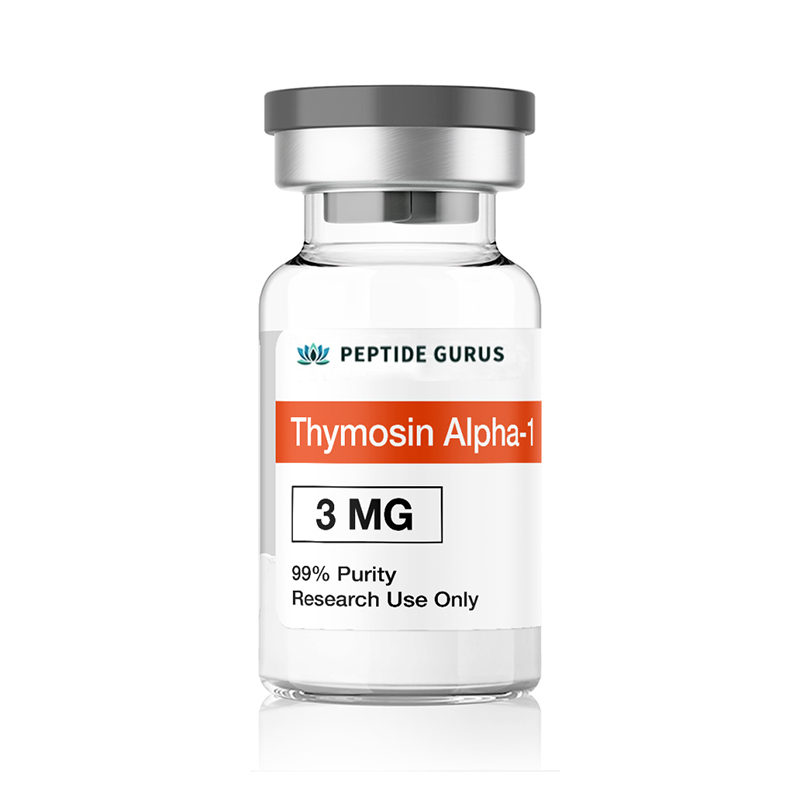
Mail ons nu om je bestelling te plaatsen met 1-op-1 ondersteuning. Beperkte voorraad! Wij accepteren Zelle, CashApp, Venmo, bankoverschrijving en crypto.
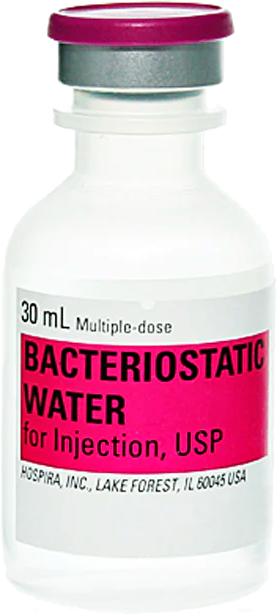
Gratis (1) 30 ml Bacteriostatisch Water with qualified orders over $500 USD.
(excludes capsule products, cosmetic peptides, promo codes and shipping)
Thymosin Alpha-1 is a natural regulator of immune function. It has since been studied for cystic fibrosis, infection (e.g. tuberculosis, cytomegalovirus), respiratory disorders, chronic hepatitis, and cancer. Thymosin alpha-1 was first discovered in 1972 and was isolated from tissue of the thymus gland and is a potent immune function modulator.
Product Usage: This PRODUCT IS INTENDED AS A RESEARCH CHEMICAL ONLY. This designation allows the use of research chemicals strictly for in vitro testing and laboratory experimentation only. All product information available on this website is for educational purposes only. Bodily introduction of any kind into humans or animals is strictly forbidden by law. This product should only be handled by licensed, qualified professionals. This product is not a drug, food, or cosmetic and may not be misbranded, misused or mislabled as a drug, food or cosmetic.
Wat is thymosin alpha 1?
Thymosine alfa-1 is een natuurlijk voorkomend peptidefragment dat in 1972 werd ontdekt. Het is sindsdien bestudeerd in klinische onderzoeken voor cystische fibrose, infectie (bijv. Tuberculose, cytomegalovirus), ademhalingsaandoeningen, chronische hepatitis en kanker. Het is momenteel goedgekeurd voor gebruik bij het bestrijden van chronische hepatitis B- en C-infecties in 35 onderontwikkelde landen.
Thymosin alpha-1, first isolated from tissue of the thymus gland, is a potent regulator of immune function. The thymus is responsible for making T-cells and for ensuring that they mature properly. T-cells are some of the most important parts of the adaptive immune system, where they help the immune system remember past infections and improve the function of other immune system cells to boost their ability to fight infection.
Research in mice without thymus glands shows that thymosin alpha-1 alone is enough to restore immune function and prevent widespread infection. The peptide works at the most fundamental levels of the immune system to activate signaling pathways and stimulate the production of cytokines and other molecules that help to coordinate the activities of various cells in the immune system[1]. In other words, thymosin alpha-1 has broad, positive effects on the immune system.
One way in which thymosin alpha-1 may be of benefit is in vaccine construction. Right now, many vaccines consist of inactivated (killed) pathogens because administering live pathogens, even when they are weakened, is risky. Unfortunately, inactivated vaccines are less effective and thus immunity is not as great. Thymosin alpha-1 may solve this problem by boosting the response of the immune system to inactivated vaccines. The net results would include not only boosted immunity, but longer duration of immunity[2]. This may be of benefit, particularly in the setting of severe disease like avian influenza, HIV, and more.
Another way in which the ability of thymosin alpha-1 to regulate the immune system may be of benefit is in the setting of sepsis. Sepsis is a life-threatening condition caused by an over-inflated immune response to infection. The ability to regulate the immune response in this setting could save lives and prevent organ damage. Research suggests that thymosin alpha-1 lowers mortality in patients with sepsis and reduced long-term complications[3]. Hoewel voortdurend onderzoek nodig is, suggereren de vroege resultaten dat thymosine alfa-1 binnenkort kan worden goedgekeurd als een adjuvante therapie voor sepsis.
Thymosine alfa-1 bevordert zenuwgroei
Het immuunsysteem speelt een zeer belangrijke rol in de groei, ontwikkeling en onderhoud van het centrale zenuwstelsel, met name de hersenen van het ontwikkelen van zoogdieren. Onderzoek bij muizen geeft aan dat thymosine alfa-1 een prominente potentiator van neurologische ontwikkeling is en dat perifere toediening van het peptide de cognitieve functie zelfs kan stimuleren. Het lijkt erop dat thymosine alfa-1 een aantal genen treft die verantwoordelijk zijn voor de groei van de neuron en de ontwikkeling van verbindingen tussen neuronen. Het peptide verandert de omgeving in het zenuwstelsel om de voorkeur te geven aan de groei en zich te ontwikkelen, terwijl tegelijkertijd paden blokkeren die verantwoordelijk zijn voor ontsteking en neuronstoornissen[4]. Kortom, thymosine alfa-1 verbetert de hersenstructuur en functie eigenlijk. Er is interesse om het molecuul te gebruiken om neurologische vertragingen aan te pakken, zoals die geassocieerd met cerebrale parese.
A. 4-week-old mice given thymosin alpha-1 learn how to escape from mazes faster.
Source: PubMed
Thymosin Alpha-1 vecht tegen schimmel
Dendritische cellen, een specifiek type cel in het immuunsysteem, zijn belangrijk om het immuunsysteem te helpen om schimmelinfecties te herkennen. Van thymosine alfa-1 is aangetoond dat het rijping van dendritische cellen induceert, waardoor het vermogen van het immuunsysteem om de bestrijding van schimmelinfecties te stimuleren, vergroten[5]. The peptide has also been found to activate T-helper cells in mouse models of aspergillus infection, a type of server fungus. Scientists hope to use thymosin alpha-1 as an adjuvant therapy to boost the effectiveness of standard anti-fungal treatments.
The role of thymosin alpha-1 in regulating dendritic cells cannot be overstated. Dendritic cells are responsible for taking antigens, bits of invading bugs like bacteria and fungi, and presenting them to other immune system cells in a way that makes it easy for those cells to recognize the antigens and respond appropriately. Dendritic cells are found in high numbers in the skin, nose, lungs, and GI system where they act as one of the first responders of the immune system. By regulating dendritic cells, thymosin alpha-1 affects immune system functioning at one of its most fundamental levels[6].
Thymosine alfa-1 en hepatitis
Thymosine alfa-1 is een effectieve en zeer betaalbare behandeling tegen chronische hepatitis B- en C-infecties. Het is ook een effectief immuunstimulerend middel en kan gelijktijdig worden toegediend met vaccins voor beide virussen om de werkzaamheid te verbeteren. Thymosine alfa-1 is momenteel goedgekeurd voor de behandeling van hepatitis B en C in meer dan 35 verschillende landen[7].
Thymosin alpha-1 en hiv
Hoewel antiretrovirale therapie een lange weg heeft afgelegd sinds HIV voor het eerst werd ontdekt in de jaren tachtig, is volledige herstel van de immuunfunctie nog steeds niet mogelijk. Vreemd genoeg is antiretrovirale therapie zelf gekoppeld aan bepaalde tekorten in de immuunrespons (met name cytotoxische T-cellen) en aan aanhoudende inflammatoire aandoeningen. Onderzoek toont aan dat thymosine alfa-1 van voordeel kan zijn in deze specifieke populatie, waardoor de immuunregulatie wordt hersteld en de algehele kwaliteit van leven wordt verbeterd voor personen die zeer actieve antiretrovirale therapie (HAART) nemen)[8].
Interestingly, thymosin alpha-1 may also boost the ability of the body to fight HIV infection. It appears that the peptide stimulates CD8 T-cells to release a number of factors that inhibit HIV infection of other immune cells and prevent latent HIV from becoming active[9].
Thymosine alfa-1 onderzoek en bloeddruk
Nieuw onderzoek geeft aan dat thymosine alfa-1 angiotensine-converterende enzym (ACE) blokkeert en dus de bloeddruk kan verlagen[10]. ACE is een gemeenschappelijk doelwit van geneesmiddelen op recept, zoals Lisinopril, bij bepaalde personen met een hoge bloeddruk. Remming van ACE is aangetoond dat het niet alleen de bloeddruk verlagt door bloedvaten te ontspannen, maar ook de remodellering van het hart kan verminderen, de progressie van atherosclerose (plaque opbouw) kan vertragen en de nierfunctie verbetert. Helaas hebben de meeste ACE -remmers een aantal bijwerkingen. Het is mogelijk dat thymosine alfa-1 de voordelen van ACE-remming kan bieden zonder de bijwerkingen die worden veroorzaakt door momenteel beschikbare medicijnen.
Thymosine alfa-1 onderzoek en kanker
Onderzoek met behulp van menselijke longkankercellen (A549) geeft aan dat thymosine alfa-1 anti-proliferatieve effecten heeft, waardoor zowel de groei als de metastase van kankercellen wordt verminderd. Het peptide lijkt ook celmigratie te verminderen, wat kan helpen om de penetratie van kankercellen in omliggende weefsel te verminderen (d.w.z. invasie)[11].
Research combining thymosin alpha-1 with dacarbazine, a common chemotherapy, showed an increase in progression-free survival rates and no increase in rates of toxicity[12], [13]. This indicates that thymosin alpha-1 boosts the effects of the chemotherapy in reducing cell proliferation. Given the peptide’s natural occurrence, it isn’t unreasonable to speculate that it may one day form part of the basis of a cancer vaccine designed to prevent tumor development rather than treat cancer after it has already occurred.
Recently, scientists developed a long-acting version of thymosin alpha-1 and tested it against breast cancer cells in mice. Results showed that the modified thymosin alpha-1 molecule was even more effective in inhibiting growth of breast cancer cells. The modified peptide appeared to boost levels of CD4 and CD8 cells while simultaneously increasing interferon gamma and interleukin-2 levels. This was particularly important in patients being treated with steroids for the swelling caused by certain cancers[14], [15].
Thymosin alpha-1 has been tested and is undergoing active testing in a number of different cancers. Positive results have been seen in
breast cancer,
melanoma,
liver cancer,
longkanker, en
darmkanker.
Thymosine alfa-1 onderzoek en inflammatoire pijn
Ontstekingspijn wordt overgedragen door specifieke routes in het perifere en centrale zenuwstelsel. Gezien de sterke ontstekingsremmende effecten van thymosine alfa-1, speculeerden wetenschappers dat het molecuul ook de pijn effectief zou kunnen verminderen. Onderzoek bij muizen suggereert dat dit inderdaad waar is en zelfs de specifieke paden heeft geïdentificeerd die thymosine alfa-1 interfereert. Het blijkt dat thymosine alfa-1 rechtstreeks werkt bij het zien van ontsteking om de productie van cytokines en andere moleculen (bijv. TNF-Alpha, IL-1beta, enz.) Die in de eerste plaats teweegbrengt.[16]. Dit werkingsmechanisme verschilt drastisch van typische ontstekingsremmende pijnstillers en kan verbeterde pijnverlichting bieden met minder bijwerkingen dan bestaande medicijnen.
Thymosine alfa-1 en cystische fibrose
Een van de primaire complicaties van cystische fibrose (CF) is ongebreidelde ontsteking die leidt tot slechte slijmklaring, verhoogde infectiesnelheden en andere problemen. Al deze problemen komen voort uit een verkeerde vouw van een specifiek eiwit dat CFTR wordt genoemd. Onderzoek geeft aan dat thymosine alfa-1 de ontsteking kan verminderen en zelfs de functie van het CFTR-eiwit kan verbeteren[17]. Er is hoop dat het peptide een effectieve therapeutische benadering met één molecuul kan bieden voor de behandeling van CF.
Beschadigde tanden en thymosine alfa-1
Onderzoek naar de voordelen van thymosine alfa-1 in de setting van avulsed (uitgetrokken) en herplanting van permanente voortanden geeft aan dat het peptide de genezing van het tandvlees en zacht weefsel rondom het letsel kan verbeteren en de overleving van de herplanttand bevordert[18]. Hoewel meer onderzoek vereist is, geven de bevindingen aan dat thymosine alfa-1 een enorm voordeel kan zijn in de setting van traumatische tandschade, waardoor het voor tandartsen gemakkelijker wordt om tanden te redden die zijn uitgeschakeld.
De toekomst van thymosine alfa-1
De potentiële toepassingen van thymosine alfa-1 zijn te talrijk om in een redelijke samenvatting te vermelden. Wat opmerkelijk is, is echter dat het peptide al in een aantal landen wordt gebruikt als een legitieme medische behandeling. Onderzoekers zijn momenteel op zoek naar manieren om de werkzaamheid van het peptide te verbeteren en het sneller en betaalbaarder te produceren[19]. There is good reason to believe that thymosin alpha-1 variants will be investigated in clinical trials for a number of conditions in the coming years. From cancer to infection, the peptide has shown great promise as an immune system modulator with few side effects.
Thymosin Alpha-1 exhibits minimal side effects, low oral and excellent subcutaneous bioavailability in mice. Per kg dosage in mice does not scale to humans. Thymosin Alpha-1 for sale at
Peptidegoeroes is alleen beperkt tot educatief en wetenschappelijk onderzoek, niet voor menselijke consumptie. Koop alleen thymosine alfa-1 als u een erkende onderzoeker bent.
Artikelauteur
The above literature was researched, edited and organized by Dr. Logan, M.D. Dr. Logan holds a doctorate degree from Case Western Reserve University School of Medicine and a B.S. in molecular biology.
Wetenschappelijke tijdschrift Auteur
Allan L. Goldstein, MD, Allan L. Goldstein is professor and Catharine B. & William McCormick Chair of the department of Biochemistry and Molecular Biology at The George Washington University School of Medicine and Health Sciences, where he has served since 1978. Thymosines were discovered in the mid 1960’s, when Allan Goldstein from the Laboratory of Abraham White at the Albert Einstein College of Medicine in New York studied the role of the thymus in development of the vertebrate immune system. He is a world-renowned authority on the thymus gland and the workings of the immuunsysteem, and co-discoverer of the thymosins. Dr. Goldstein is the author of over 400 scientific articles in professional journals, the inventor on more than 15 U.S. Patents, and the editor of several books in the fields of biochemistry, biomedicine, immunology and neuro-science. He is on the editorial boards of numerous scientific and medical journals and has been a consultant to many re-search organizations in industry and government; co-founder of The Institute for Advanced Studies in Aging and Geriatric Medicine, a non-profit research and educational institute; a member of the Board of Trustees of the Albert Sabin Vaccine Institute; and serves as the Chairman of the Board of RegeneRx Biopharmaceuticals. Dr. Goldstein received his B.S. from Wagner College in 1959 and his M.S. and Ph.D. from Rutgers University in 1964. He served as a faculty member of the Albert Einstein College of Medicine from 1964 to 1972, and moved to the University of Texas Medical Branch in Galveston in 1972 as professor and director of the division of Biochemistry.
Allan L. Goldstein, MD is being referenced as one of the leading scientists involved in the research and development of Thymosin Alpha 1 and other Thymosins. In no way is this doctor/scientist endorsing or advocating the purchase, sale, or use of this product for any reason. There is no affiliation or relationship, implied or otherwise, between
Peptidegoeroes en deze dokter. Het doel van het citeren van de arts is om de uitputtende onderzoeks- en ontwikkelingsinspanningen van de wetenschappers die dit peptide bestuderen te erkennen, te erkennen en te crediteren. Dr. Goldstein staat vermeld in [7] onder de citaten van de verwezen.
ALL ARTICLES AND PRODUCT INFORMATION PROVIDED ON THIS WEBSITE ARE FOR INFORMATIONAL AND EDUCATIONAL PURPOSES ONLY.
De producten die op deze website worden aangeboden, zijn alleen ingericht voor in-vitro-studies. In-vitro-onderzoeken (Latijn: in glas) worden buiten het lichaam uitgevoerd. Deze producten zijn geen medicijnen of medicijnen en zijn niet goedgekeurd door de FDA om een medische aandoening, kwaal of ziekte te voorkomen, te behandelen of te genezen. Lichamelijke introductie van welke aard dan ook in mensen of dieren is ten strengste wettelijk verboden.
Peptidegurus is een toonaangevende leverancier van Amerikaanse onderzoekspeptiden en biedt producten van topkwaliteit tegen concurrerende prijzen. Met een focus op excellentie en klantenservice, zorgen ze voor een veilig en handig bestelproces met wereldwijde verzending.