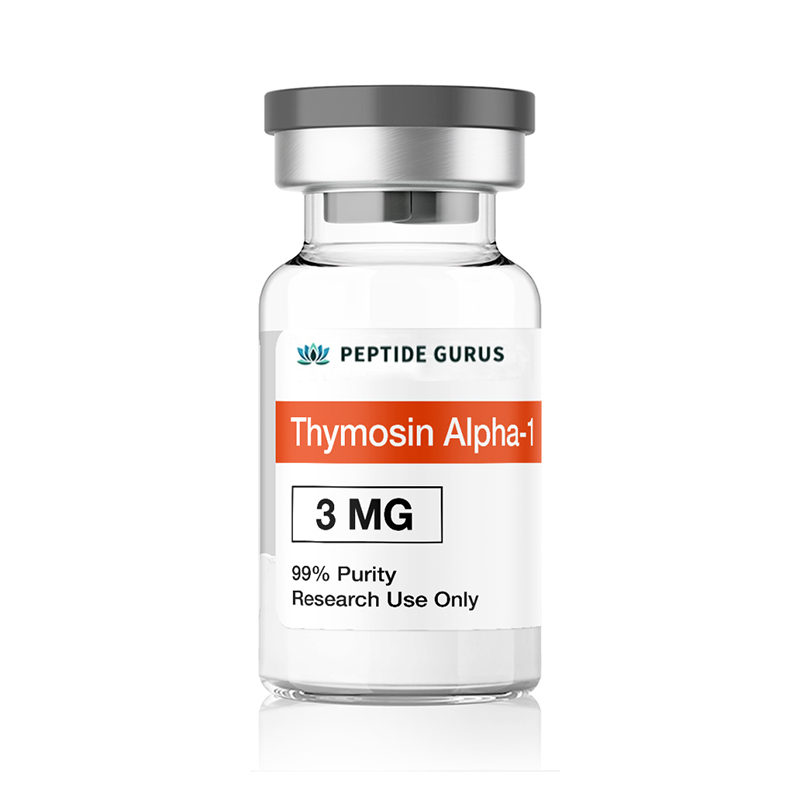
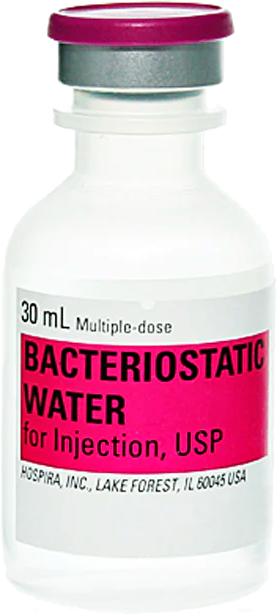
遊離(1)30 mlの細菌性水 with qualified orders over $500 USD.
(excludes capsule products, cosmetic peptides, promo codes and shipping)
Thymosin Alpha-1 is a natural regulator of immune function. It has since been studied for cystic fibrosis, infection (e.g. tuberculosis, cytomegalovirus), respiratory disorders, chronic hepatitis, and cancer. Thymosin alpha-1 was first discovered in 1972 and was isolated from tissue of the thymus gland and is a potent immune function modulator.
Product Usage: This PRODUCT IS INTENDED AS A RESEARCH CHEMICAL ONLY. This designation allows the use of research chemicals strictly for in vitro testing and laboratory experimentation only. All product information available on this website is for educational purposes only. Bodily introduction of any kind into humans or animals is strictly forbidden by law. This product should only be handled by licensed, qualified professionals. This product is not a drug, food, or cosmetic and may not be misbranded, misused or mislabled as a drug, food or cosmetic.
Thymosin alpha-1, first isolated from tissue of the thymus gland, is a potent regulator of immune function. The thymus is responsible for making T-cells and for ensuring that they mature properly. T-cells are some of the most important parts of the adaptive immune system, where they help the immune system remember past infections and improve the function of other immune system cells to boost their ability to fight infection.
Research in mice without thymus glands shows that thymosin alpha-1 alone is enough to restore immune function and prevent widespread infection. The peptide works at the most fundamental levels of the immune system to activate signaling pathways and stimulate the production of cytokines and other molecules that help to coordinate the activities of various cells in the immune system[1]. In other words, thymosin alpha-1 has broad, positive effects on the immune system.
One way in which thymosin alpha-1 may be of benefit is in vaccine construction. Right now, many vaccines consist of inactivated (killed) pathogens because administering live pathogens, even when they are weakened, is risky. Unfortunately, inactivated vaccines are less effective and thus immunity is not as great. Thymosin alpha-1 may solve this problem by boosting the response of the immune system to inactivated vaccines. The net results would include not only boosted immunity, but longer duration of immunity[2]. This may be of benefit, particularly in the setting of severe disease like avian influenza, HIV, and more.
Another way in which the ability of thymosin alpha-1 to regulate the immune system may be of benefit is in the setting of sepsis. Sepsis is a life-threatening condition caused by an over-inflated immune response to infection. The ability to regulate the immune response in this setting could save lives and prevent organ damage. Research suggests that thymosin alpha-1 lowers mortality in patients with sepsis and reduced long-term complications[3]。進行中の研究が必要ですが、初期の結果は、チモシンアルファ-1がすぐに敗血症の補助療法として承認される可能性があることを示唆しています。
チモシンアルファ-1は神経の成長を促進します
免疫系は、中枢神経系、特に発達中の哺乳類の脳の成長、発達、維持において非常に重要な役割を果たします。マウスの研究では、チモシンアルファ-1は神経発達の顕著なポテンショメータであり、ペプチドの末梢投与が実際に認知機能を高めることができることが示されています。チモシンアルファ-1は、ニューロンの成長とニューロン間のつながりの発達に関与する多くの遺伝子に影響を与えるようです。ペプチドは、神経系内の環境を変化させて成長を支持し、炎症とニューロンの機能不全の原因となる経路を同時にブロックすると同時に発達します[4]。要するに、チモシンアルファ-1は実際に脳の構造と機能を改善します。分子を使用して、脳性麻痺に関連するものなど、神経発達の遅延に対処することに興味があります。
A. 4-week-old mice given thymosin alpha-1 learn how to escape from mazes faster.
Source: PubMed
チモシンアルファ-1は真菌と戦います
免疫系の特定のタイプの細胞である樹状細胞は、免疫系が真菌感染を認識するのを支援する上で重要です。チモシンアルファ-1は、樹状細胞の成熟を誘発することが示されており、それにより免疫系が真菌感染症と戦う能力を高めています[5]. The peptide has also been found to activate T-helper cells in mouse models of aspergillus infection, a type of server fungus. Scientists hope to use thymosin alpha-1 as an adjuvant therapy to boost the effectiveness of standard anti-fungal treatments.
The role of thymosin alpha-1 in regulating dendritic cells cannot be overstated. Dendritic cells are responsible for taking antigens, bits of invading bugs like bacteria and fungi, and presenting them to other immune system cells in a way that makes it easy for those cells to recognize the antigens and respond appropriately. Dendritic cells are found in high numbers in the skin, nose, lungs, and GI system where they act as one of the first responders of the immune system. By regulating dendritic cells, thymosin alpha-1 affects immune system functioning at one of its most fundamental levels[6].
1980年代にHIVが最初に発見されて以来、抗レトロウイルス療法は長い道のりを歩んできましたが、免疫機能の完全な回復はまだ不可能です。奇妙なことに、抗レトロウイルス療法自体は、免疫応答(特に細胞毒性T細胞)の特定の障害と持続的な炎症条件に関連しています。調査によると、チモシンアルファ-1はこの特定の集団で有益であり、免疫調節の回復と、非常に活性抗レトロウイルス療法を服用している個人の全体的な生活の質の向上に役立つことが示されています(HAART)[8].
Interestingly, thymosin alpha-1 may also boost the ability of the body to fight HIV infection. It appears that the peptide stimulates CD8 T-cells to release a number of factors that inhibit HIV infection of other immune cells and prevent latent HIV from becoming active[9].
ヒト肺癌細胞(A549)を使用した研究は、チモシンアルファ-1が抗増殖効果を持ち、癌細胞の成長と転移の両方を減らすことを示しています。ペプチドはまた、細胞の移動を減少させるように見えます。これは、癌細胞の周囲の組織への浸透を減らすのに役立ちます(すなわち浸潤)[11].
Research combining thymosin alpha-1 with dacarbazine, a common chemotherapy, showed an increase in progression-free survival rates and no increase in rates of toxicity[12], [13]. This indicates that thymosin alpha-1 boosts the effects of the chemotherapy in reducing cell proliferation. Given the peptide’s natural occurrence, it isn’t unreasonable to speculate that it may one day form part of the basis of a cancer vaccine designed to prevent tumor development rather than treat cancer after it has already occurred.
Recently, scientists developed a long-acting version of thymosin alpha-1 and tested it against breast cancer cells in mice. Results showed that the modified thymosin alpha-1 molecule was even more effective in inhibiting growth of breast cancer cells. The modified peptide appeared to boost levels of CD4 and CD8 cells while simultaneously increasing interferon gamma and interleukin-2 levels. This was particularly important in patients being treated with steroids for the swelling caused by certain cancers[14], [15].
Thymosin alpha-1 has been tested and is undergoing active testing in a number of different cancers. Positive results have been seen in
チモシンアルファ-1の潜在的な応用は、合理的な要約にリストするには多すぎます。しかし、注目に値するのは、ペプチドが合法的な治療として多くの国ですでに使用されていることです。研究者は現在、ペプチドの有効性を改善し、より速く、より手頃な価格で生成する方法を検討しています[19]. There is good reason to believe that thymosin alpha-1 variants will be investigated in clinical trials for a number of conditions in the coming years. From cancer to infection, the peptide has shown great promise as an immune system modulator with few side effects.
Thymosin Alpha-1 exhibits minimal side effects, low oral and excellent subcutaneous bioavailability in mice. Per kg dosage in mice does not scale to humans. Thymosin Alpha-1 for sale at
The above literature was researched, edited and organized by Dr. Logan, M.D. Dr. Logan holds a doctorate degree from Case Western Reserve University School of Medicine and a B.S. in molecular biology.
Scientific Journalの著者
Allan L. Goldstein、MD, Allan L. Goldstein is professor and Catharine B. & William McCormick Chair of the department of Biochemistry and Molecular Biology at The George Washington University School of Medicine and Health Sciences, where he has served since 1978. チモシン were discovered in the mid 1960’s, when Allan Goldstein from the Laboratory of Abraham White at the Albert Einstein College of Medicine in New York studied the role of the thymus in development of the vertebrate immune system. He is a world-renowned authority on the thymus gland and the workings of the 免疫系, and co-discoverer of the thymosins. Dr. Goldstein is the author of over 400 scientific articles in professional journals, the inventor on more than 15 U.S. Patents, and the editor of several books in the fields of biochemistry, biomedicine, immunology and neuro-science. He is on the editorial boards of numerous scientific and medical journals and has been a consultant to many re-search organizations in industry and government; co-founder of The Institute for Advanced Studies in Aging and Geriatric Medicine, a non-profit research and educational institute; a member of the Board of Trustees of the Albert Sabin Vaccine Institute; and serves as the Chairman of the Board of RegeneRx Biopharmaceuticals. Dr. Goldstein received his B.S. from Wagner College in 1959 and his M.S. and Ph.D. from Rutgers University in 1964. He served as a faculty member of the Albert Einstein College of Medicine from 1964 to 1972, and moved to the University of Texas Medical Branch in Galveston in 1972 as professor and director of the division of Biochemistry.
Allan L. Goldstein, MD is being referenced as one of the leading scientists involved in the research and development of Thymosin Alpha 1 and other Thymosins. In no way is this doctor/scientist endorsing or advocating the purchase, sale, or use of this product for any reason. There is no affiliation or relationship, implied or otherwise, between
ALL ARTICLES AND PRODUCT INFORMATION PROVIDED ON THIS WEBSITE ARE FOR INFORMATIONAL AND EDUCATIONAL PURPOSES ONLY.
このウェブサイトで提供される製品は、ビトロ内の研究のためにのみ提供されています。 in-vitro研究(ラテン語:ガラス)は体の外側で行われます。これらの製品は薬や薬ではなく、病状、病気、病気を予防、治療、治療するためにFDAによって承認されていません。あらゆる種類の人間や動物への身体導入は、法律によって厳密に禁じられています。