Scrivici subito per effettuare il tuo ordine con supporto individuale. Scorte limitate! Accettiamo Zelle, CashApp, Venmo, bonifici bancari e criptovalute.
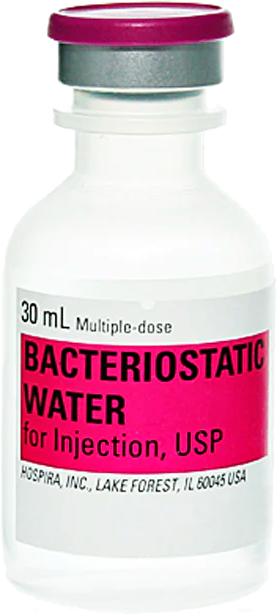
Free (1) 30 ml Acqua Batteriostatica with qualified orders over $500 USD.
(excludes capsule products, cosmetic peptides, promo codes and shipping)
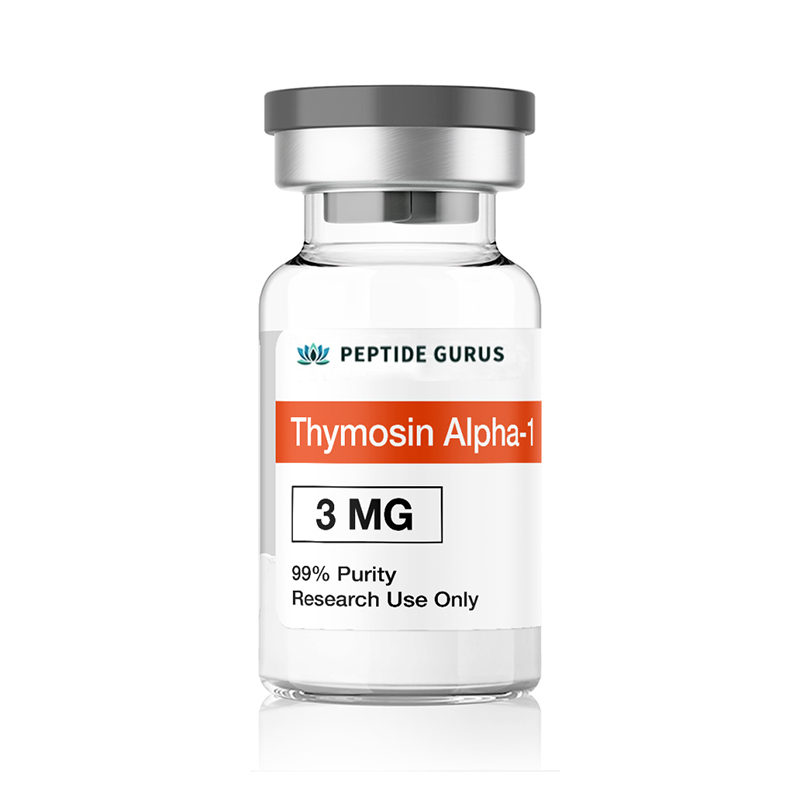
Thymosin Alpha-1 is a natural regulator of immune function. It has since been studied for cystic fibrosis, infection (e.g. tuberculosis, cytomegalovirus), respiratory disorders, chronic hepatitis, and cancer. Thymosin alpha-1 was first discovered in 1972 and was isolated from tissue of the thymus gland and is a potent immune function modulator.
Product Usage: This PRODUCT IS INTENDED AS A RESEARCH CHEMICAL ONLY. This designation allows the use of research chemicals strictly for in vitro testing and laboratory experimentation only. All product information available on this website is for educational purposes only. Bodily introduction of any kind into humans or animals is strictly forbidden by law. This product should only be handled by licensed, qualified professionals. This product is not a drug, food, or cosmetic and may not be misbranded, misused or mislabled as a drug, food or cosmetic.
Cos'è la timosina alfa 1?
La timosina alfa-1 è un frammento di peptidi naturale che è stato scoperto nel 1972. Da allora è stato studiato in studi clinici per fibrosi cistica, infezione (ad esempio tubercolosi, citomegalovirus), disturbi respiratori, epatite cronica e cancro. Attualmente è approvato per l'uso nella lotta con le infezioni da epatite cronica B e C in 35 nazioni sottosviluppate.
Thymosin alpha-1, first isolated from tissue of the thymus gland, is a potent regulator of immune function. The thymus is responsible for making T-cells and for ensuring that they mature properly. T-cells are some of the most important parts of the adaptive immune system, where they help the immune system remember past infections and improve the function of other immune system cells to boost their ability to fight infection.
Research in mice without thymus glands shows that thymosin alpha-1 alone is enough to restore immune function and prevent widespread infection. The peptide works at the most fundamental levels of the immune system to activate signaling pathways and stimulate the production of cytokines and other molecules that help to coordinate the activities of various cells in the immune system[1]. In other words, thymosin alpha-1 has broad, positive effects on the immune system.
One way in which thymosin alpha-1 may be of benefit is in vaccine construction. Right now, many vaccines consist of inactivated (killed) pathogens because administering live pathogens, even when they are weakened, is risky. Unfortunately, inactivated vaccines are less effective and thus immunity is not as great. Thymosin alpha-1 may solve this problem by boosting the response of the immune system to inactivated vaccines. The net results would include not only boosted immunity, but longer duration of immunity[2]. This may be of benefit, particularly in the setting of severe disease like avian influenza, HIV, and more.
Another way in which the ability of thymosin alpha-1 to regulate the immune system may be of benefit is in the setting of sepsis. Sepsis is a life-threatening condition caused by an over-inflated immune response to infection. The ability to regulate the immune response in this setting could save lives and prevent organ damage. Research suggests that thymosin alpha-1 lowers mortality in patients with sepsis and reduced long-term complications[3]. Sebbene siano necessarie ricerche in corso, i primi risultati suggeriscono che la timosina alfa-1 potrebbe presto essere approvata come terapia adiuvante per la sepsi.
La timosina alfa-1 promuove la crescita nervosa
Il sistema immunitario svolge ruoli molto importanti nella crescita, nello sviluppo e nel mantenimento del sistema nervoso centrale, in particolare il cervello dello sviluppo di mammiferi. La ricerca sui topi indica la timosina alfa-1 è un potenziatore di spicco dello sviluppo del neurosal e che la somministrazione periferica del peptide può effettivamente aumentare la funzione cognitiva. Sembra che la timosina alfa-1 influisca su una serie di geni responsabili della crescita dei neuroni e dello sviluppo di connessioni tra i neuroni. Il peptide altera l'ambiente all'interno del sistema nervoso per favorire la crescita e svilupparsi, bloccando contemporaneamente le vie responsabili dell'infiammazione e della disfunzione dei neuroni[4]. In breve, la timosina alfa-1 migliora effettivamente la struttura e la funzione cerebrale. Vi è interesse a usare la molecola per affrontare i ritardi di sviluppo neurologico, come quelli associati alla paralisi cerebrale.
A. 4-week-old mice given thymosin alpha-1 learn how to escape from mazes faster.
Source: PubMed
Timosina Alpha-1 combatte il fungo
Le cellule dendritiche, un tipo specifico di cellule nel sistema immunitario, sono importanti per aiutare il sistema immunitario a riconoscere le infezioni fungine. È stato dimostrato che la timosina alfa-1 induce la maturazione delle cellule dendritiche, aumentando così la capacità del sistema immunitario di combattere le infezioni fungine[5]. The peptide has also been found to activate T-helper cells in mouse models of aspergillus infection, a type of server fungus. Scientists hope to use thymosin alpha-1 as an adjuvant therapy to boost the effectiveness of standard anti-fungal treatments.
The role of thymosin alpha-1 in regulating dendritic cells cannot be overstated. Dendritic cells are responsible for taking antigens, bits of invading bugs like bacteria and fungi, and presenting them to other immune system cells in a way that makes it easy for those cells to recognize the antigens and respond appropriately. Dendritic cells are found in high numbers in the skin, nose, lungs, and GI system where they act as one of the first responders of the immune system. By regulating dendritic cells, thymosin alpha-1 affects immune system functioning at one of its most fundamental levels[6].
Timosina alfa-1 ed epatite
La timosina alfa-1 è un trattamento efficace e altamente conveniente contro le infezioni croniche di epatite B e C. È anche uno stimolante immunitario efficace e può essere somministrato con vaccini per entrambi i virus per migliorare l'efficacia. La timosina alfa-1 è attualmente approvata per il trattamento dell'epatite B e C in oltre 35 paesi diversi[7].
Timosina alfa-1 e HIV
Anche se la terapia antiretrovirale ha fatto molta strada da quando l'HIV è stato scoperto per la prima volta negli anni '80, non è ancora possibile il ripristino completo della funzione immunitaria. Stranamente, la stessa terapia antiretrovirale è stata collegata ad alcuni deficit nella risposta immunitaria (in particolare alle cellule T citotossiche) nonché a condizioni infiammatorie persistenti. La ricerca mostra che la timosina alfa-1 può essere di beneficio in questa particolare popolazione, contribuendo a ripristinare la regolazione immunitaria e migliorando la qualità generale della vita per le persone che assumono terapia antiretrovirale altamente attiva (HAART)[8].
Interestingly, thymosin alpha-1 may also boost the ability of the body to fight HIV infection. It appears that the peptide stimulates CD8 T-cells to release a number of factors that inhibit HIV infection of other immune cells and prevent latent HIV from becoming active[9].
Timosina alfa-1 Ricerca e pressione sanguigna
Una nuova ricerca indica che la timosina alfa-1 blocca l'enzima di conversione dell'angiotensina (ACE) e quindi può ridurre la pressione sanguigna[10]. L'ACE è un obiettivo comune di farmaci da prescrizione, come il lisinopril, in alcuni individui con ipertensione. L'inibizione di ACE ha dimostrato non solo di ridurre la pressione sanguigna rilassando i vasi sanguigni, ma può anche ridurre il rimodellamento cardiaco, rallentare la progressione dell'aterosclerosi (accumulo di placca) e migliorare la funzione renale. Sfortunatamente, la maggior parte degli ACE inibitori ha una serie di effetti collaterali. È possibile che la timosina alfa-1 possa offrire i benefici dell'inibizione dell'ACE senza gli effetti collaterali causati dai farmaci attualmente disponibili.
Timosina Alpha-1 Ricerca e cancro
La ricerca con cellule tumorali polmonari umane (A549) indica che la timosina alfa-1 ha effetti antiproliferativi, riducendo sia la crescita che le metastasi delle cellule cancerose. Il peptide sembra anche ridurre la migrazione cellulare, il che può aiutare a ridurre la penetrazione delle cellule tumorali nei tessuti circostanti (cioè invasione)[11].
Research combining thymosin alpha-1 with dacarbazine, a common chemotherapy, showed an increase in progression-free survival rates and no increase in rates of toxicity[12], [13]. This indicates that thymosin alpha-1 boosts the effects of the chemotherapy in reducing cell proliferation. Given the peptide’s natural occurrence, it isn’t unreasonable to speculate that it may one day form part of the basis of a cancer vaccine designed to prevent tumor development rather than treat cancer after it has already occurred.
Recently, scientists developed a long-acting version of thymosin alpha-1 and tested it against breast cancer cells in mice. Results showed that the modified thymosin alpha-1 molecule was even more effective in inhibiting growth of breast cancer cells. The modified peptide appeared to boost levels of CD4 and CD8 cells while simultaneously increasing interferon gamma and interleukin-2 levels. This was particularly important in patients being treated with steroids for the swelling caused by certain cancers[14], [15].
Thymosin alpha-1 has been tested and is undergoing active testing in a number of different cancers. Positive results have been seen in
breast cancer,
melanoma,
liver cancer,
Cancro polmonare, e
Cancro del colon.
Timosina alfa-1 Ricerca e dolore infiammatorio
Il dolore infiammatorio viene trasmesso attraverso percorsi specifici nel sistema nervoso periferico e centrale. Dati i forti effetti antinfiammatori della timosina alfa-1, gli scienziati hanno ipotizzato che anche la molecola potesse ridurre efficacemente il dolore. La ricerca sui topi suggerisce che questo è davvero vero e ha persino identificato i percorsi specifici con cui la timosina alfa-1 interferisce. Si scopre che la timosina alfa-1 agisce direttamente alla vista dell'infiammazione per ridurre la produzione di citochine e altre molecole (ad esempio TNF-alfa, IL-1beta, ecc.) Che scatenano il dolore in primo luogo[16]. Questo meccanismo d'azione è drasticamente diverso dai tipici antidolorifici antinfiammatori e può offrire un miglioramento del dolore con un minor numero di effetti collaterali rispetto ai farmaci esistenti.
Timosina alfa-1 e fibrosi cistica
Una delle complicanze primarie della fibrosi cistica (CF) è l'infiammazione dilagante che porta a scarsa clearance mucosa, aumento dei tassi di infezione e altri problemi. Tutti questi problemi derivano da una piega errata di una proteina specifica chiamata CFTR. La ricerca indica che la timosina alfa-1 può ridurre l'infiammazione e persino migliorare la funzione della proteina CFTR[17]. Si spera che il peptide possa offrire un efficace approccio terapeutico a molecola per il trattamento della CF.
Denti danneggiati e timosina alfa-1
La ricerca sui benefici della timosina alfa-1 nell'ambientazione dei denti avvolti (estratti) e reimpultati indica che il peptide può migliorare la guarigione delle gengive e dei tessuti molli che circondano la lesione e promuove la sopravvivenza del dente reimpostato[18]. Sebbene siano necessarie ulteriori ricerche, i risultati indicano che la timosina alfa-1 può essere di enorme beneficio nella cornice di danni traumatici ai denti, rendendo più facile per i dentisti salvare i denti che sono stati eliminati.
Il futuro della timosina alfa-1
Le potenziali applicazioni della timosina alfa-1 sono troppo numerose per essere elencate in qualsiasi riassunto ragionevole. Ciò che è notevole, tuttavia, è che il peptide viene già utilizzato in diversi paesi come un trattamento medico legittimo. I ricercatori stanno attualmente cercando modi per migliorare l'efficacia del peptide e produrlo più velocemente e in modo più conveniente[19]. There is good reason to believe that thymosin alpha-1 variants will be investigated in clinical trials for a number of conditions in the coming years. From cancer to infection, the peptide has shown great promise as an immune system modulator with few side effects.
Thymosin Alpha-1 exhibits minimal side effects, low oral and excellent subcutaneous bioavailability in mice. Per kg dosage in mice does not scale to humans. Thymosin Alpha-1 for sale at
Guru peptidici è limitato solo alla ricerca educativa e scientifica, non per il consumo umano. Acquista la timosina alfa-1 solo se sei un ricercatore autorizzato.
Autore dell'articolo
The above literature was researched, edited and organized by Dr. Logan, M.D. Dr. Logan holds a doctorate degree from Case Western Reserve University School of Medicine and a B.S. in molecular biology.
Autore della rivista scientifica
Allan L. Goldstein, MD, Allan L. Goldstein is professor and Catharine B. & William McCormick Chair of the department of Biochemistry and Molecular Biology at The George Washington University School of Medicine and Health Sciences, where he has served since 1978. Timosine were discovered in the mid 1960’s, when Allan Goldstein from the Laboratory of Abraham White at the Albert Einstein College of Medicine in New York studied the role of the thymus in development of the vertebrate immune system. He is a world-renowned authority on the thymus gland and the workings of the sistema immunitario, and co-discoverer of the thymosins. Dr. Goldstein is the author of over 400 scientific articles in professional journals, the inventor on more than 15 U.S. Patents, and the editor of several books in the fields of biochemistry, biomedicine, immunology and neuro-science. He is on the editorial boards of numerous scientific and medical journals and has been a consultant to many re-search organizations in industry and government; co-founder of The Institute for Advanced Studies in Aging and Geriatric Medicine, a non-profit research and educational institute; a member of the Board of Trustees of the Albert Sabin Vaccine Institute; and serves as the Chairman of the Board of RegeneRx Biopharmaceuticals. Dr. Goldstein received his B.S. from Wagner College in 1959 and his M.S. and Ph.D. from Rutgers University in 1964. He served as a faculty member of the Albert Einstein College of Medicine from 1964 to 1972, and moved to the University of Texas Medical Branch in Galveston in 1972 as professor and director of the division of Biochemistry.
Allan L. Goldstein, MD is being referenced as one of the leading scientists involved in the research and development of Thymosin Alpha 1 and other Thymosins. In no way is this doctor/scientist endorsing or advocating the purchase, sale, or use of this product for any reason. There is no affiliation or relationship, implied or otherwise, between
Guru peptidici e questo dottore. Lo scopo di citare il medico è di riconoscere, riconoscere e accreditare gli sforzi esaustivi di ricerca e sviluppo condotti dagli scienziati che studiano questo peptide. Il Dr. Goldstein è elencato in [7] sotto le citazioni di riferimento.
ALL ARTICLES AND PRODUCT INFORMATION PROVIDED ON THIS WEBSITE ARE FOR INFORMATIONAL AND EDUCATIONAL PURPOSES ONLY.
I prodotti offerti su questo sito Web sono forniti solo per studi in vitro. Studi in vitro (latino: in vetro) vengono eseguiti al di fuori del corpo. Questi prodotti non sono medicinali o farmaci e non sono stati approvati dalla FDA per prevenire, trattare o curare qualsiasi condizione medica, disturbo o malattia. L'introduzione corporea di qualsiasi tipo nell'uomo o negli animali è severamente vietata dalla legge.
Peptidegurus è un fornitore leader di peptidi di ricerca di fabbricazione americana, che offre prodotti di alta qualità a prezzi competitivi. Con un focus sull'eccellenza e il servizio clienti, assicurano un processo di ordinazione sicuro e conveniente con la spedizione globale.