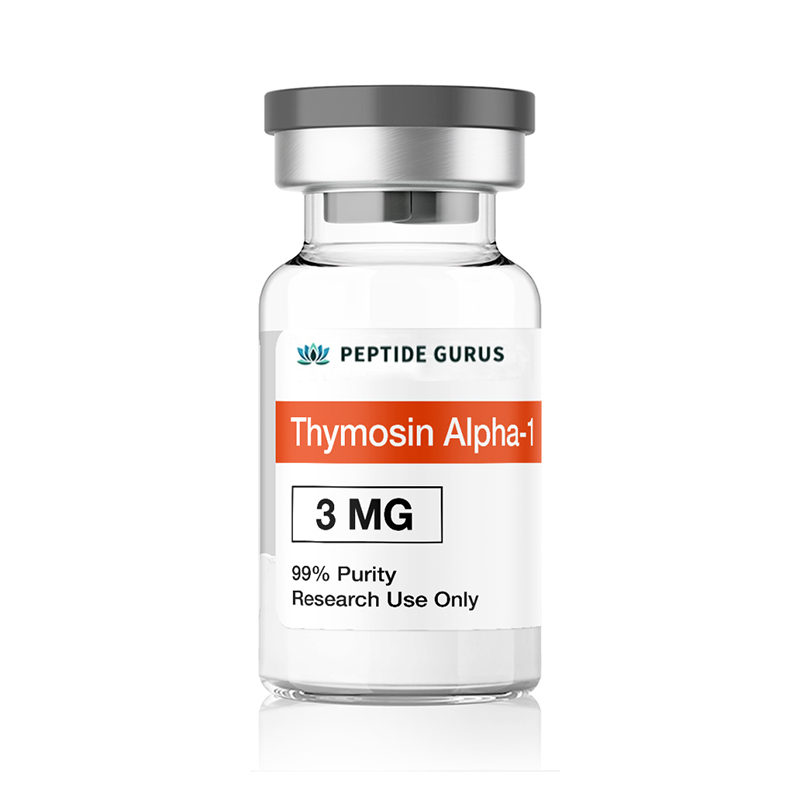
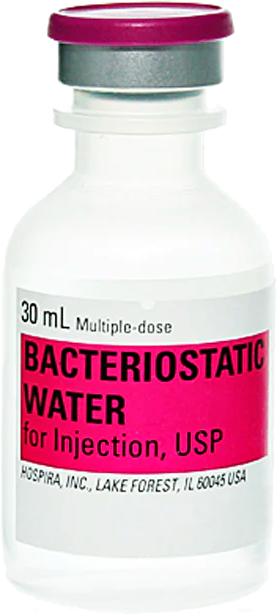
Gửi email cho chúng tôi ngay bây giờ để đặt hàng với hỗ trợ 1-1. Số lượng có hạn! Chúng tôi chấp nhận Zelle, CashApp, Venmo, chuyển khoản ngân hàng và tiền điện tử.
Miễn phí (1) 30 ml Nước kìm khuẩn with qualified orders over $500 USD.
(excludes capsule products, cosmetic peptides, promo codes and shipping)
Thymosin Alpha-1 is a natural regulator of immune function. It has since been studied for cystic fibrosis, infection (e.g. tuberculosis, cytomegalovirus), respiratory disorders, chronic hepatitis, and cancer. Thymosin alpha-1 was first discovered in 1972 and was isolated from tissue of the thymus gland and is a potent immune function modulator.
Product Usage: This PRODUCT IS INTENDED AS A RESEARCH CHEMICAL ONLY. This designation allows the use of research chemicals strictly for in vitro testing and laboratory experimentation only. All product information available on this website is for educational purposes only. Bodily introduction of any kind into humans or animals is strictly forbidden by law. This product should only be handled by licensed, qualified professionals. This product is not a drug, food, or cosmetic and may not be misbranded, misused or mislabled as a drug, food or cosmetic.
Thymosin alpha 1 là gì?
Thymosin alpha-1 là một đoạn peptide tự nhiên đã được phát hiện vào năm 1972. Nó đã được nghiên cứu trong các thử nghiệm lâm sàng về xơ nang, nhiễm trùng (ví dụ bệnh lao, cytomegalovirus), rối loạn hô hấp, viêm gan mãn tính và ung thư. Nó hiện đang được phê duyệt để sử dụng để chống lại nhiễm trùng viêm gan B và C mãn tính ở 35 quốc gia kém phát triển.
Thymosin alpha-1, first isolated from tissue of the thymus gland, is a potent regulator of immune function. The thymus is responsible for making T-cells and for ensuring that they mature properly. T-cells are some of the most important parts of the adaptive immune system, where they help the immune system remember past infections and improve the function of other immune system cells to boost their ability to fight infection.
Research in mice without thymus glands shows that thymosin alpha-1 alone is enough to restore immune function and prevent widespread infection. The peptide works at the most fundamental levels of the immune system to activate signaling pathways and stimulate the production of cytokines and other molecules that help to coordinate the activities of various cells in the immune system[1]. In other words, thymosin alpha-1 has broad, positive effects on the immune system.
One way in which thymosin alpha-1 may be of benefit is in vaccine construction. Right now, many vaccines consist of inactivated (killed) pathogens because administering live pathogens, even when they are weakened, is risky. Unfortunately, inactivated vaccines are less effective and thus immunity is not as great. Thymosin alpha-1 may solve this problem by boosting the response of the immune system to inactivated vaccines. The net results would include not only boosted immunity, but longer duration of immunity[2]. This may be of benefit, particularly in the setting of severe disease like avian influenza, HIV, and more.
Another way in which the ability of thymosin alpha-1 to regulate the immune system may be of benefit is in the setting of sepsis. Sepsis is a life-threatening condition caused by an over-inflated immune response to infection. The ability to regulate the immune response in this setting could save lives and prevent organ damage. Research suggests that thymosin alpha-1 lowers mortality in patients with sepsis and reduced long-term complications[3]. Mặc dù cần nghiên cứu liên tục, nhưng kết quả ban đầu cho thấy thymosin alpha-1 có thể sớm được phê duyệt như một liệu pháp bổ trợ cho nhiễm trùng huyết.
Thymosin Alpha-1 thúc đẩy sự phát triển thần kinh
Hệ thống miễn dịch đóng vai trò rất quan trọng trong sự tăng trưởng, phát triển và duy trì hệ thần kinh trung ương, đặc biệt là bộ não của động vật có vú đang phát triển. Nghiên cứu trên chuột chỉ ra thymosin alpha-1 là một thế lực nổi bật của sự phát triển thần kinh và việc sử dụng ngoại vi của peptide thực sự có thể tăng cường chức năng nhận thức. Dường như thymosin alpha-1 ảnh hưởng đến một số gen chịu trách nhiệm cho sự phát triển của tế bào thần kinh và sự phát triển của các kết nối giữa các tế bào thần kinh. Các peptide làm thay đổi môi trường trong hệ thống thần kinh để ủng hộ sự tăng trưởng và phát triển đồng thời ngăn chặn các con đường chịu trách nhiệm cho viêm và rối loạn chức năng tế bào thần kinh[4]. Nói tóm lại, thymosin alpha-1 thực sự cải thiện cấu trúc và chức năng của não. Có sự quan tâm đến việc sử dụng phân tử để giải quyết sự chậm trễ phát triển thần kinh, chẳng hạn như các phân tử liên quan đến bại não.
A. 4-week-old mice given thymosin alpha-1 learn how to escape from mazes faster.
Source: PubMed
Thymosin alpha-1 chiến đấu với nấm
Các tế bào đuôi gai, một loại tế bào cụ thể trong hệ thống miễn dịch, rất quan trọng trong việc giúp hệ thống miễn dịch nhận ra nhiễm nấm. Thymosin alpha-1 đã được chứng minh là gây ra sự trưởng thành của các tế bào đuôi gai, do đó tăng cường khả năng của hệ thống miễn dịch để chống lại nhiễm nấm[5]. The peptide has also been found to activate T-helper cells in mouse models of aspergillus infection, a type of server fungus. Scientists hope to use thymosin alpha-1 as an adjuvant therapy to boost the effectiveness of standard anti-fungal treatments.
The role of thymosin alpha-1 in regulating dendritic cells cannot be overstated. Dendritic cells are responsible for taking antigens, bits of invading bugs like bacteria and fungi, and presenting them to other immune system cells in a way that makes it easy for those cells to recognize the antigens and respond appropriately. Dendritic cells are found in high numbers in the skin, nose, lungs, and GI system where they act as one of the first responders of the immune system. By regulating dendritic cells, thymosin alpha-1 affects immune system functioning at one of its most fundamental levels[6].
Thymosin alpha-1 và viêm gan
Thymosin Alpha-1 là một phương pháp điều trị hiệu quả và giá cả phải chăng chống lại nhiễm trùng viêm gan B và C mãn tính. Nó cũng là một chất kích thích miễn dịch hiệu quả và có thể được đồng quản lý với vắc-xin cho cả hai loại virus để cải thiện hiệu quả. Thymosin Alpha-1 hiện đang được phê duyệt để điều trị viêm gan B và C ở hơn 35 quốc gia khác nhau[7].
Thymosin alpha-1 và HIV
Mặc dù liệu pháp kháng retrovirus đã đi một chặng đường dài kể từ khi HIV được phát hiện lần đầu tiên vào những năm 1980, việc phục hồi hoàn toàn chức năng miễn dịch vẫn là không thể. Thật kỳ lạ, điều trị bằng thuốc kháng vi-rút có liên quan đến một số thâm hụt nhất định trong đáp ứng miễn dịch (đặc biệt là các tế bào T độc tế bào) cũng như với các tình trạng viêm dai dẳng. Nghiên cứu cho thấy thymosin alpha-1 có thể có lợi trong dân số đặc biệt này, giúp khôi phục điều hòa miễn dịch và cải thiện chất lượng cuộc sống chung cho các cá nhân dùng liệu pháp kháng retrovirus hoạt động cao (HAART)[8].
Interestingly, thymosin alpha-1 may also boost the ability of the body to fight HIV infection. It appears that the peptide stimulates CD8 T-cells to release a number of factors that inhibit HIV infection of other immune cells and prevent latent HIV from becoming active[9].
Nghiên cứu và huyết áp của thymosin Alpha-1
Nghiên cứu mới chỉ ra rằng thymosin alpha-1 ngăn chặn enzyme chuyển đổi angiotensin (ACE) và do đó có thể làm giảm huyết áp[10]. ACE là mục tiêu chung của thuốc theo toa, như lisinopril, ở một số người có huyết áp cao. Sự ức chế ACE đã được chứng minh là không chỉ làm giảm huyết áp bằng cách thư giãn các mạch máu, mà còn có thể làm giảm tái tạo tim, làm chậm sự tiến triển của xơ vữa động mạch (tích tụ mảng bám) và cải thiện chức năng thận. Thật không may, hầu hết các chất ức chế ACE đều đi kèm với một số tác dụng phụ. Có thể là thymosin alpha-1 có thể cung cấp những lợi ích của sự ức chế men chuyển mà không có tác dụng phụ gây ra bởi các loại thuốc hiện có.
Nghiên cứu và ung thư của Thymosin Alpha-1
Nghiên cứu sử dụng các tế bào ung thư phổi ở người (A549) chỉ ra rằng thymosin alpha-1 có tác dụng chống tăng sinh, làm giảm cả sự tăng trưởng và di căn của các tế bào ung thư. Peptide cũng xuất hiện để giảm sự di chuyển của tế bào, có thể giúp giảm sự thâm nhập của các tế bào ung thư vào các mô xung quanh (tức là xâm lấn)[11].
Research combining thymosin alpha-1 with dacarbazine, a common chemotherapy, showed an increase in progression-free survival rates and no increase in rates of toxicity[12], [13]. This indicates that thymosin alpha-1 boosts the effects of the chemotherapy in reducing cell proliferation. Given the peptide’s natural occurrence, it isn’t unreasonable to speculate that it may one day form part of the basis of a cancer vaccine designed to prevent tumor development rather than treat cancer after it has already occurred.
Recently, scientists developed a long-acting version of thymosin alpha-1 and tested it against breast cancer cells in mice. Results showed that the modified thymosin alpha-1 molecule was even more effective in inhibiting growth of breast cancer cells. The modified peptide appeared to boost levels of CD4 and CD8 cells while simultaneously increasing interferon gamma and interleukin-2 levels. This was particularly important in patients being treated with steroids for the swelling caused by certain cancers[14], [15].
Thymosin alpha-1 has been tested and is undergoing active testing in a number of different cancers. Positive results have been seen in
breast cancer,
melanoma,
liver cancer,
Ung thư phổi, và
ung thư ruột kết.
Nghiên cứu và đau do viêm thymosin alpha-1
Đau viêm được truyền qua các con đường cụ thể trong hệ thống thần kinh ngoại biên và trung ương. Với các tác dụng chống viêm mạnh mẽ của thymosin alpha-1, các nhà khoa học đã suy đoán rằng phân tử cũng có thể giảm đau một cách hiệu quả. Nghiên cứu trên chuột cho thấy điều này thực sự đúng và thậm chí đã xác định các con đường cụ thể mà thymosin alpha-1 can thiệp. Nó chỉ ra rằng thymosin alpha-1 hoạt động trực tiếp khi nhìn thấy viêm để giảm sản xuất các cytokine và các phân tử khác (ví dụ: TNF-alpha, IL-1beta, v.v.)[16]. Cơ chế hoạt động này khác biệt đáng kể so với thuốc giảm đau chống viêm điển hình và có thể cung cấp giảm đau được cải thiện với ít tác dụng phụ hơn so với các loại thuốc hiện có.
Thymosin alpha-1 và xơ nang
Một trong những biến chứng chính của xơ nang (CF) là viêm tràn lan dẫn đến giải phóng nhầy kém, tăng tỷ lệ nhiễm trùng và các vấn đề khác. Tất cả những vấn đề này xuất phát từ việc gấp sai một protein cụ thể gọi là CFTR. Nghiên cứu chỉ ra rằng thymosin alpha-1 có thể làm giảm viêm và thậm chí cải thiện chức năng của protein CFTR[17]. Có hy vọng rằng peptide có thể cung cấp một phương pháp điều trị đơn phân tử hiệu quả để điều trị CF.
Răng bị hư hỏng và thymosin alpha-1
Nghiên cứu về lợi ích của thymosin alpha-1 trong môi trường của Avulsed (rút ra) và trồng lại răng trước vĩnh viễn cho thấy peptide có thể cải thiện sự chữa lành của nướu và mô mềm xung quanh chấn thương và thúc đẩy sự sống sót của răng được trồng lại[18]. Mặc dù cần có nhiều nghiên cứu hơn, những phát hiện chỉ ra rằng thymosin alpha-1 có thể có lợi ích rất lớn trong việc thiết lập tổn thương răng, giúp các nha sĩ dễ dàng giải cứu răng đã bị loại.
Tương lai của thymosin alpha-1
Các ứng dụng tiềm năng của thymosin alpha-1 quá nhiều để liệt kê trong bất kỳ bản tóm tắt hợp lý nào. Tuy nhiên, điều đáng chú ý là peptide đã được sử dụng ở một số quốc gia như một phương pháp điều trị y tế hợp pháp. Các nhà nghiên cứu hiện đang xem xét các cách để cải thiện hiệu quả của peptide và sản xuất nó nhanh hơn và giá cả phải chăng hơn[19]. There is good reason to believe that thymosin alpha-1 variants will be investigated in clinical trials for a number of conditions in the coming years. From cancer to infection, the peptide has shown great promise as an immune system modulator with few side effects.
Thymosin Alpha-1 exhibits minimal side effects, low oral and excellent subcutaneous bioavailability in mice. Per kg dosage in mice does not scale to humans. Thymosin Alpha-1 for sale at
Gurus peptide chỉ giới hạn trong nghiên cứu giáo dục và khoa học, không phải cho tiêu dùng của con người. Chỉ mua thymosin alpha-1 nếu bạn là nhà nghiên cứu được cấp phép.
Tác giả bài báo
The above literature was researched, edited and organized by Dr. Logan, M.D. Dr. Logan holds a doctorate degree from Case Western Reserve University School of Medicine and a B.S. in molecular biology.
Tạp chí khoa học tác giả
Allan L. Goldstein, MD, Allan L. Goldstein is professor and Catharine B. & William McCormick Chair of the department of Biochemistry and Molecular Biology at The George Washington University School of Medicine and Health Sciences, where he has served since 1978. Thymosin were discovered in the mid 1960’s, when Allan Goldstein from the Laboratory of Abraham White at the Albert Einstein College of Medicine in New York studied the role of the thymus in development of the vertebrate immune system. He is a world-renowned authority on the thymus gland and the workings of the hệ miễn dịch, and co-discoverer of the thymosins. Dr. Goldstein is the author of over 400 scientific articles in professional journals, the inventor on more than 15 U.S. Patents, and the editor of several books in the fields of biochemistry, biomedicine, immunology and neuro-science. He is on the editorial boards of numerous scientific and medical journals and has been a consultant to many re-search organizations in industry and government; co-founder of The Institute for Advanced Studies in Aging and Geriatric Medicine, a non-profit research and educational institute; a member of the Board of Trustees of the Albert Sabin Vaccine Institute; and serves as the Chairman of the Board of RegeneRx Biopharmaceuticals. Dr. Goldstein received his B.S. from Wagner College in 1959 and his M.S. and Ph.D. from Rutgers University in 1964. He served as a faculty member of the Albert Einstein College of Medicine from 1964 to 1972, and moved to the University of Texas Medical Branch in Galveston in 1972 as professor and director of the division of Biochemistry.
Allan L. Goldstein, MD is being referenced as one of the leading scientists involved in the research and development of Thymosin Alpha 1 and other Thymosins. In no way is this doctor/scientist endorsing or advocating the purchase, sale, or use of this product for any reason. There is no affiliation or relationship, implied or otherwise, between
Gurus peptide Và bác sĩ này. Mục đích của việc trích dẫn bác sĩ là thừa nhận, công nhận và ghi nhận các nỗ lực nghiên cứu và phát triển toàn diện được thực hiện bởi các nhà khoa học nghiên cứu peptide này. Tiến sĩ Goldstein được liệt kê trong [7] theo các trích dẫn được tham chiếu.
ALL ARTICLES AND PRODUCT INFORMATION PROVIDED ON THIS WEBSITE ARE FOR INFORMATIONAL AND EDUCATIONAL PURPOSES ONLY.
Các sản phẩm được cung cấp trên trang web này chỉ được cung cấp cho các nghiên cứu trong ống nghiệm. Các nghiên cứu trong ống nghiệm (Latin: trong thủy tinh) được thực hiện bên ngoài cơ thể. Những sản phẩm này không phải là thuốc hoặc thuốc và chưa được FDA chấp thuận để ngăn ngừa, điều trị hoặc chữa khỏi mọi tình trạng y tế, bệnh tật hoặc bệnh tật. Việc giới thiệu cơ thể của bất kỳ loại nào vào người hoặc động vật đều bị cấm theo luật pháp.
Peptidegurus là nhà cung cấp hàng đầu các peptide nghiên cứu do Mỹ sản xuất, cung cấp các sản phẩm chất lượng hàng đầu với giá cả cạnh tranh. Tập trung vào sự xuất sắc và dịch vụ khách hàng, họ đảm bảo một quy trình đặt hàng an toàn và thuận tiện với vận chuyển toàn cầu.