Envie um e-mail para nós agora para fazer seu pedido com suporte individual. Estoque limitado! Aceitamos Zelle, CashApp, Venmo, transferência bancária e cripto.
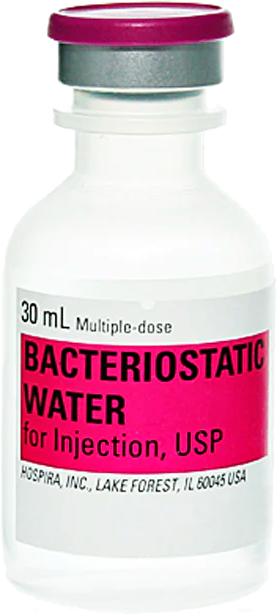
Grátis (1) 30 ml de água bacteriostática with qualified orders over $500 USD.
(excludes capsule products, cosmetic peptides, promo codes and shipping)
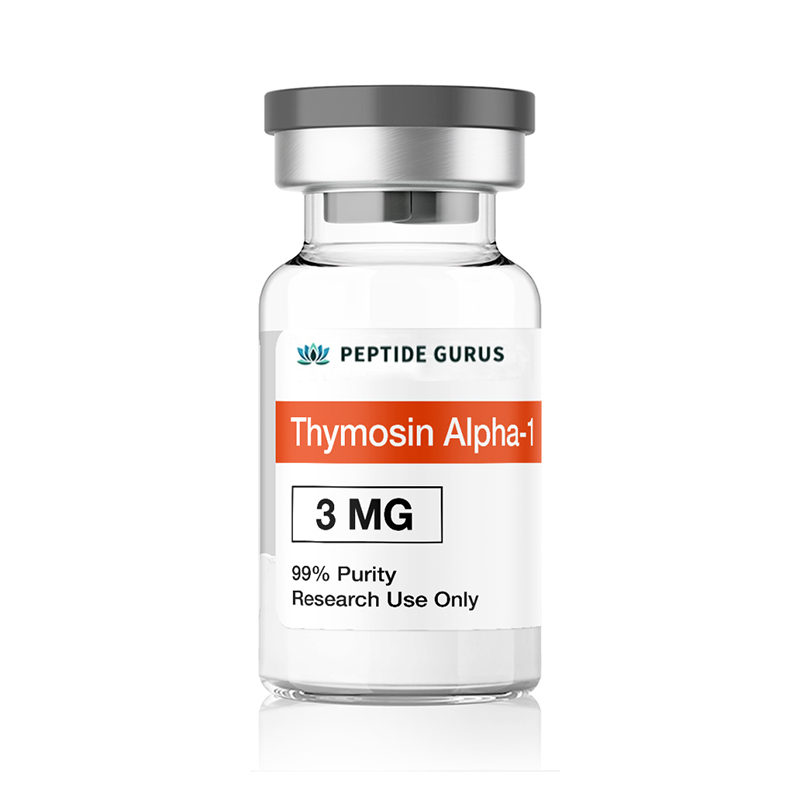
Thymosin Alpha-1 is a natural regulator of immune function. It has since been studied for cystic fibrosis, infection (e.g. tuberculosis, cytomegalovirus), respiratory disorders, chronic hepatitis, and cancer. Thymosin alpha-1 was first discovered in 1972 and was isolated from tissue of the thymus gland and is a potent immune function modulator.
Product Usage: This PRODUCT IS INTENDED AS A RESEARCH CHEMICAL ONLY. This designation allows the use of research chemicals strictly for in vitro testing and laboratory experimentation only. All product information available on this website is for educational purposes only. Bodily introduction of any kind into humans or animals is strictly forbidden by law. This product should only be handled by licensed, qualified professionals. This product is not a drug, food, or cosmetic and may not be misbranded, misused or mislabled as a drug, food or cosmetic.
O que é timasina alfa 1?
A timasina alfa-1 é um fragmento de peptídeos que ocorre naturalmente que foi descoberto em 1972. Desde então, ele foi estudado em ensaios clínicos para fibrose cística, infecção (por exemplo, tuberculose, citomegalovírus), distúrbios respiratórios, hepatite crônica e câncer. Atualmente, é aprovado para uso no combate à hepatite B e infecções crônicas em 35 nações subdesenvolvidas.
Thymosin alpha-1, first isolated from tissue of the thymus gland, is a potent regulator of immune function. The thymus is responsible for making T-cells and for ensuring that they mature properly. T-cells are some of the most important parts of the adaptive immune system, where they help the immune system remember past infections and improve the function of other immune system cells to boost their ability to fight infection.
Research in mice without thymus glands shows that thymosin alpha-1 alone is enough to restore immune function and prevent widespread infection. The peptide works at the most fundamental levels of the immune system to activate signaling pathways and stimulate the production of cytokines and other molecules that help to coordinate the activities of various cells in the immune system[1]. In other words, thymosin alpha-1 has broad, positive effects on the immune system.
One way in which thymosin alpha-1 may be of benefit is in vaccine construction. Right now, many vaccines consist of inactivated (killed) pathogens because administering live pathogens, even when they are weakened, is risky. Unfortunately, inactivated vaccines are less effective and thus immunity is not as great. Thymosin alpha-1 may solve this problem by boosting the response of the immune system to inactivated vaccines. The net results would include not only boosted immunity, but longer duration of immunity[2]. This may be of benefit, particularly in the setting of severe disease like avian influenza, HIV, and more.
Another way in which the ability of thymosin alpha-1 to regulate the immune system may be of benefit is in the setting of sepsis. Sepsis is a life-threatening condition caused by an over-inflated immune response to infection. The ability to regulate the immune response in this setting could save lives and prevent organ damage. Research suggests that thymosin alpha-1 lowers mortality in patients with sepsis and reduced long-term complications[3]. Embora sejam necessárias pesquisas em andamento, os resultados iniciais sugerem que a timasina alfa-1 poderá em breve ser aprovada como uma terapia adjuvante para sepse.
A timasina alfa-1 promove o crescimento nervoso
O sistema imunológico desempenha papéis muito importantes no crescimento, desenvolvimento e manutenção do sistema nervoso central, particularmente o cérebro do desenvolvimento de mamíferos. A pesquisa em camundongos indica que a timasina alfa-1 é um potenciador proeminente do neurodesenvolvimento e que a administração periférica do peptídeo pode realmente aumentar a função cognitiva. Parece que a timasina alfa-1 afeta vários genes responsáveis pelo crescimento dos neurônios e pelo desenvolvimento de conexões entre os neurônios. O peptídeo altera o ambiente dentro do sistema nervoso para favorecer o crescimento e se desenvolver ao mesmo tempo em que bloqueia as vias responsáveis pela inflamação e disfunção de neurônios[4]. Em suma, a timasina alfa-1 realmente melhora a estrutura e a função cerebral. Há interesse em usar a molécula para abordar atrasos no desenvolvimento neurológico, como os associados à paralisia cerebral.
A. 4-week-old mice given thymosin alpha-1 learn how to escape from mazes faster.
Source: PubMed
Timasina alfa-1 luta contra o fungo
As células dendríticas, um tipo específico de célula no sistema imunológico, são importantes para ajudar o sistema imunológico a reconhecer infecções fúngicas. Demonstrou-se que a timasina alfa-1 induz a maturação de células dendríticas, aumentando assim a capacidade do sistema imunológico de combater infecções fúngicas[5]. The peptide has also been found to activate T-helper cells in mouse models of aspergillus infection, a type of server fungus. Scientists hope to use thymosin alpha-1 as an adjuvant therapy to boost the effectiveness of standard anti-fungal treatments.
The role of thymosin alpha-1 in regulating dendritic cells cannot be overstated. Dendritic cells are responsible for taking antigens, bits of invading bugs like bacteria and fungi, and presenting them to other immune system cells in a way that makes it easy for those cells to recognize the antigens and respond appropriately. Dendritic cells are found in high numbers in the skin, nose, lungs, and GI system where they act as one of the first responders of the immune system. By regulating dendritic cells, thymosin alpha-1 affects immune system functioning at one of its most fundamental levels[6].
Timasina alfa-1 e hepatite
A timasina alfa-1 é um tratamento eficaz e altamente acessível contra infecções crônicas de hepatite B e C. É também um estimulante imunológico eficaz e pode ser co-administrado com vacinas para ambos os vírus para melhorar a eficácia. Atualmente, a timasina alfa-1 é aprovada para o tratamento da hepatite B e C em mais de 35 países diferentes[7].
Timasina alfa-1 e HIV
Embora a terapia anti -retroviral tenha percorrido um longo caminho desde que o HIV foi descoberto na década de 1980, ainda não é possível a restauração completa da função imunológica. Curiosamente, a própria terapia anti-retroviral tem sido associada a certos déficits na resposta imune (particularmente células T citotóxicas), bem como a condições inflamatórias persistentes. Pesquisas mostram que a timasina alfa-1 pode ser benéfica nessa população em particular, ajudando a restaurar a regulamentação imunológica e melhorando a qualidade de vida geral para indivíduos que tomam terapia anti-retroviral altamente ativa (HAART)[8].
Interestingly, thymosin alpha-1 may also boost the ability of the body to fight HIV infection. It appears that the peptide stimulates CD8 T-cells to release a number of factors that inhibit HIV infection of other immune cells and prevent latent HIV from becoming active[9].
Pesquisa de timasina alfa-1 e pressão arterial
Novas pesquisas indicam que a timasina alfa-1 bloqueia a enzima de conversão da angiotensina (ACE) e, portanto, pode reduzir a pressão arterial[10]. O ACE é um alvo comum de medicamentos prescritos, como o lisinopril, em certos indivíduos com pressão alta. A inibição da ECA demonstrou não apenas a pressão arterial menor, relaxando os vasos sanguíneos, mas também pode reduzir a remodelação cardíaca, retardar a progressão da aterosclerose (acúmulo de placa) e melhorar a função renal. Infelizmente, a maioria dos inibidores da ECA vem com vários efeitos colaterais. É possível que a timasina alfa-1 possa oferecer os benefícios da inibição da ACE sem os efeitos colaterais causados pelos medicamentos atualmente disponíveis.
Pesquisa e câncer da timasina alfa-1
Pesquisas usando células de câncer de pulmão humano (A549) indicam que a timasina alfa-1 tem efeitos antiproliferativos, reduzindo o crescimento e a metástase das células cancerígenas. O peptídeo também parece reduzir a migração celular, o que pode ajudar a reduzir a penetração de células cancerígenas no tecido circundante (isto é, invasão)[11].
Research combining thymosin alpha-1 with dacarbazine, a common chemotherapy, showed an increase in progression-free survival rates and no increase in rates of toxicity[12], [13]. This indicates that thymosin alpha-1 boosts the effects of the chemotherapy in reducing cell proliferation. Given the peptide’s natural occurrence, it isn’t unreasonable to speculate that it may one day form part of the basis of a cancer vaccine designed to prevent tumor development rather than treat cancer after it has already occurred.
Recently, scientists developed a long-acting version of thymosin alpha-1 and tested it against breast cancer cells in mice. Results showed that the modified thymosin alpha-1 molecule was even more effective in inhibiting growth of breast cancer cells. The modified peptide appeared to boost levels of CD4 and CD8 cells while simultaneously increasing interferon gamma and interleukin-2 levels. This was particularly important in patients being treated with steroids for the swelling caused by certain cancers[14], [15].
Thymosin alpha-1 has been tested and is undergoing active testing in a number of different cancers. Positive results have been seen in
breast cancer,
melanoma,
liver cancer,
câncer de pulmão e
câncer de cólon.
Pesquisa da timasina alfa-1 e dor inflamatória
A dor inflamatória é transmitida através de vias específicas no sistema nervoso periférico e central. Dados os fortes efeitos anti-inflamatórios da timasina alfa-1, os cientistas especularam que a molécula também poderia reduzir efetivamente a dor. Pesquisas em ratos sugerem que isso é realmente verdadeiro e até identificou as vias específicas com as quais a timasina alfa-1 interfere. Acontece que a timasina alfa-1 atua diretamente ao ver a inflamação para reduzir a produção de citocinas e outras moléculas (por exemplo, TNF-alpha, Il-1beta, etc.) que desencadeiam dor no primeiro lugar[16]. Esse mecanismo de ação é drasticamente diferente dos analgésicos anti-inflamatórios típicos e pode oferecer um melhor alívio da dor com menos efeitos colaterais do que os medicamentos existentes.
Timasina alfa-1 e fibrose cística
Uma das complicações primárias da fibrose cística (FC) é a inflamação desenfreada que leva a um pouco de depuração mucosa, aumento das taxas de infecção e outros problemas. Todos esses problemas decorrem de uma dobração incorreta de uma proteína específica chamada CFTR. A pesquisa indica que a timasina alfa-1 pode reduzir a inflamação e até melhorar a função da proteína CFTR[17]. Há esperança de que o peptídeo possa oferecer uma abordagem terapêutica eficaz de molécula única para o tratamento da CF.
Dentes danificados e timasina alfa-1
Pesquisas sobre os benefícios da timasina alfa-1 no cenário de dentes dianteiros Avulsionados (retirados para fora) e replantados indicam que o peptídeo pode melhorar a cicatrização das gengivas e do tecido mole ao redor da lesão e promover a sobrevivência do dente replantado[18]. Embora sejam necessárias mais pesquisas, as descobertas indicam que a timasina alfa-1 pode ser de grande benefício no cenário de danos dentários traumáticos, facilitando a resgate de dentes que foram nocauteados.
O futuro da timasina alfa-1
As aplicações em potencial da timasina alfa-1 são numerosas demais para listar em qualquer resumo razoável. O que é notável, no entanto, é que o peptídeo já está sendo usado em vários países como um tratamento médico legítimo. Os pesquisadores estão atualmente procurando maneiras de melhorar a eficácia do peptídeo e produzi -lo mais rápido e mais acessível[19]. There is good reason to believe that thymosin alpha-1 variants will be investigated in clinical trials for a number of conditions in the coming years. From cancer to infection, the peptide has shown great promise as an immune system modulator with few side effects.
Thymosin Alpha-1 exhibits minimal side effects, low oral and excellent subcutaneous bioavailability in mice. Per kg dosage in mice does not scale to humans. Thymosin Alpha-1 for sale at
Gurus peptídico é limitado apenas a pesquisas educacionais e científicas, não para consumo humano. Compre apenas a timasina alfa-1 se você for um pesquisador licenciado.
Autor do artigo
The above literature was researched, edited and organized by Dr. Logan, M.D. Dr. Logan holds a doctorate degree from Case Western Reserve University School of Medicine and a B.S. in molecular biology.
Autor da revista científica
Allan L. Goldstein, MD, Allan L. Goldstein is professor and Catharine B. & William McCormick Chair of the department of Biochemistry and Molecular Biology at The George Washington University School of Medicine and Health Sciences, where he has served since 1978. Timasinas were discovered in the mid 1960’s, when Allan Goldstein from the Laboratory of Abraham White at the Albert Einstein College of Medicine in New York studied the role of the thymus in development of the vertebrate immune system. He is a world-renowned authority on the thymus gland and the workings of the sistema imunológico, and co-discoverer of the thymosins. Dr. Goldstein is the author of over 400 scientific articles in professional journals, the inventor on more than 15 U.S. Patents, and the editor of several books in the fields of biochemistry, biomedicine, immunology and neuro-science. He is on the editorial boards of numerous scientific and medical journals and has been a consultant to many re-search organizations in industry and government; co-founder of The Institute for Advanced Studies in Aging and Geriatric Medicine, a non-profit research and educational institute; a member of the Board of Trustees of the Albert Sabin Vaccine Institute; and serves as the Chairman of the Board of RegeneRx Biopharmaceuticals. Dr. Goldstein received his B.S. from Wagner College in 1959 and his M.S. and Ph.D. from Rutgers University in 1964. He served as a faculty member of the Albert Einstein College of Medicine from 1964 to 1972, and moved to the University of Texas Medical Branch in Galveston in 1972 as professor and director of the division of Biochemistry.
Allan L. Goldstein, MD is being referenced as one of the leading scientists involved in the research and development of Thymosin Alpha 1 and other Thymosins. In no way is this doctor/scientist endorsing or advocating the purchase, sale, or use of this product for any reason. There is no affiliation or relationship, implied or otherwise, between
Gurus peptídico e este médico. O objetivo de citar o médico é reconhecer, reconhecer e creditar os esforços exaustivos de pesquisa e desenvolvimento conduzidos pelos cientistas que estudam esse peptídeo. O Dr. Goldstein está listado em [7] sob as citações referenciadas.
ALL ARTICLES AND PRODUCT INFORMATION PROVIDED ON THIS WEBSITE ARE FOR INFORMATIONAL AND EDUCATIONAL PURPOSES ONLY.
Os produtos oferecidos neste site são fornecidos apenas para estudos in vitro. Estudos in vitro (latim: em vidro) são realizados fora do corpo. Esses produtos não são medicamentos ou medicamentos e não foram aprovados pelo FDA para prevenir, tratar ou curar qualquer condição médica, doença ou doença. A introdução corporal de qualquer tipo em seres humanos ou animais é estritamente proibida por lei.
A Peptidegurus é um fornecedor líder de peptídeos de pesquisa fabricados americanos, oferecendo produtos de alta qualidade a preços competitivos. Com foco na excelência e no atendimento ao cliente, eles garantem um processo de pedido seguro e conveniente com o envio global.