
• FOXO4-DRI peptide in aging research
Fox04-Dri 10mg (proxofim)
X
Fox04-Dri 10mg (proxofim)

Fox04-Dri 10mg (proxofim)

카테고리 : ,

주문하려면 연락
지금 바로 이메일을 보내 1:1 지원과 함께 주문을 하세요. 한정 재고! Zelle, CashApp, Venmo, 은행 송금, 암호화폐 결제를 받습니다.

유리 (1) 30 ml 세균성 물
with qualified orders over $500 USD. (excludes capsule products, cosmetic peptides, promo codes and shipping)
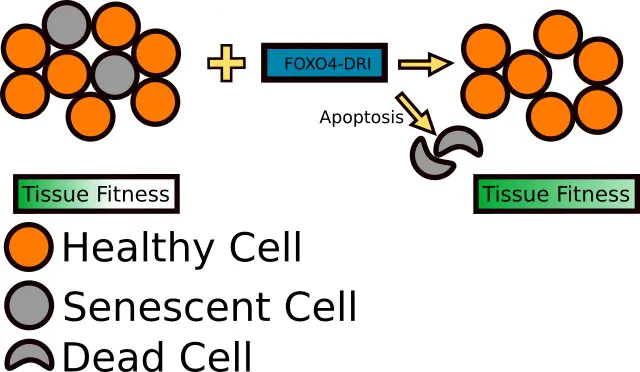
FOX04-DRI (Retro-Inverso) is a synthetic, slightly modified version of the standard FOXO4 protein. The modification prolongs half-life of the protein and allows it to interfere with normal FOXO4 function. FOXO4-DRI has been shown in research to prevent normal FOXO4 binding to p53, thereby allowing for elimination of senescent cells, improved organ function, and younger tissue “biological age.” FOXO4-DRI impacts insulin signaling, cell cycle regulation, and oxidative stress signaling pathways. FOXO4-DRI is a cell penetrating peptide shown to selectively induce apoptosis of senescent cells thereby reversing effects of aging in animal studies.
Product Usage: This PRODUCT IS INTENDED AS A RESEARCH CHEMICAL ONLY. This designation allows the use of research chemicals strictly for in vitro testing and laboratory experimentation only. All product information available on this website is for educational purposes only. Bodily introduction of any kind into humans or animals is strictly forbidden by law. This product should only be handled by licensed, qualified professionals. This product is not a drug, food, or cosmetic and may not be misbranded, misused or mislabled as a drug, food or cosmetic.

Foxo4-D-Retro-Inverso (DRI)는 무엇입니까?

FOXO4 D-Retro-Inverso is identical to the protein product of the FOXO4 gene, but the normal L amino acids have been exchanged for D amino acids. The result is that FOXO4-DRI has reduced susceptibility to normal physiologic clearance mechanisms and thus remains in the body for longer periods of time. The modified protein is still capable, however, of affecting transcription and cellular pathways. In general, the FOXO4-DRI protein interferes with normal FOXO4 function. Of greatest interest in terms of aging and senescence is the ability of FOXO4-DRI to interfere with normal FOXO4 signaling in the cell cycle by preventing the binding of FOXO4 to p53. The p53 protein is an important regulator of progression through the cell cycle as well as programmed cell death (apoptosis). When FOXO4-DRI binds to p53, it prevents FOXO4 from binding and allows p53 to bind to DNA. This, in turn, allows the cell to continue through the process of apoptosis and die. Interestingly, FOXO4-DRI appears to only have this effect in senescent cells, cells that are no longer functional or are dysfunctional as a result of aging[2]. 이러한 기능 장애 세포를 표적으로함으로써 FoxO4-Dri는 무게에 불과한 세포의 조직을 제거하는 데 도움이됩니다. 이것은 차례로, 더 나은 조직 기능을 허용하고 젊고 건강한 세포의 성장과 분화를 자극하는 데 도움이됩니다. 순 결과는 더 나은 생물학적 기능이므로“생물학적 연령”의 감소입니다.

"Dri"레트로 인버소 펩티드가 설명했다

DRI-Retro Inverso Peptides Explained Retro-inverso peptides are linear peptides whose amino acid sequence is reversed and the α-center chirality of the amino acid subunits is inverted as well. Usually, these types of peptides are designed by including D-amino acids in the reverse sequence to help maintain side chain topology similar to that of the original L-amino acid peptide and make them more resistant to proteolytic degradation. Other reported synonyms for these peptides in the scientific literature are: Retro-Inverso Peptides, All-D-Retro Peptides, Retro-Enantio Peptides, Retro-Inverso Analogs, Retro-Inverso Analogues, Retro-Inverso Derivatives, and Retro-Inverso Isomers. D-amino acids represent conformational mirror images of natural L-amino acids occurring in natural proteins present in biological systems. Peptides that contain D-amino acids have advantages over peptides that just contain L-amino acids. In general, these types of peptides are less susceptible to proteolytic degradation and have a longer effective time when used as pharmaceuticals. Furthermore, the insertion of D-amino acids in selected sequence regions as sequence blocks containing only D-amino acids or in-between L-amino acids allows the design of peptide-based drugs that are bioactive and possess increased bioavailability in addition to being resistant to proteolysis. Furthermore, if properly designed, retro-inverso peptides can have binding characteristics similar to L-peptides. Retro-inverso peptides are useful candidates for the study of protein-protein interactions by designing peptidomimetics that mimic the shape of peptide epitopes, protein-protein, or protein-peptide interfases. Retro-inverso-peptides are attractive alternatives to L-peptides used as pharmaceuticals. These of peptide have been reported to elicit lower immunogenic responses compared to L-peptides.
FOXO4-DRI는 생리 학적 격리에서 p53을 방출합니다. p53 단백질은 아 pop 토 시스를 위해 노화 세포를 표적으로한다. 순 결과는 전체 조직 체력의 증가와 조직 및 장기 수준에서의 기능이 향상되었습니다. 개선 된 조직 기능을 감소 된 생물학적 연령이라고합니다.

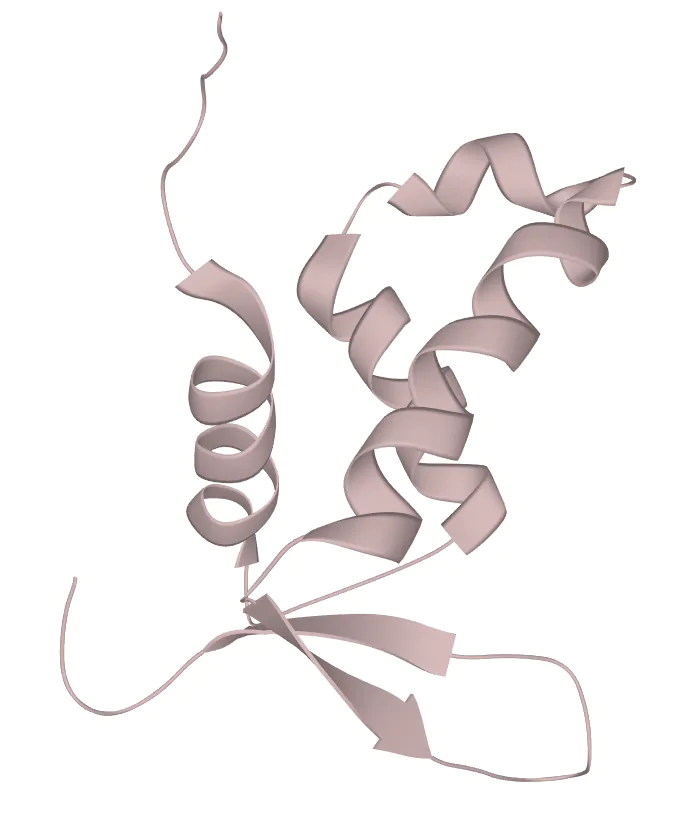
FOXO4-DRI 펩티드 구조

Source: Uniprot Sequence: H-D-Leu-D-Thr-D-Leu-D-Arg-D-Lys-D-Glu-D-Pro-D-Ala-D-Ser-D-Glu-D-Ile-D-Ala-D-Gln-D-Ser-D-Ile-D-Leu-D-Glu-D-Ala-D-Tyr-D-Ser-D-Gln-D-Asn-D-Gly-D-Trp-D-Ala-D-Asn-D-Arg-D-Arg-D-Ser-D-Gly-D-Gly-D-Lys-D-Arg-D-Pro-D-Pro-D-Pro-D-Arg-D-Arg-D-Arg-D-Gln-D-Arg-D-Arg-D-Lys-D-Lys-D-Arg-D-Gly-OH Molecular Formula: C228H388N86O64 Molecular Weight: 5358.05 Synonyms: Forkhead box protein O4, Proxofim, FOXO4a, AFX, AFX1, MLLT7

FOXO4-DRI 노화 및 노화

The relationship between FOXO4 and aging is complex and still not fully understood. There is, however, good evidence that helps to elucidate the mechanisms by which the protein has its effects. Research in the well-studied nematode C. elegans shows that FOXO4 affects insulin-like growth factor receptor signaling and thus cellular lifespan control, stress resistance, and gene regulation[3]. It also appears that FOXO4 interacts with the p53 protein to regulate the cell cycle.

Natural FOXO4 actually protects senescent cells by keeping p53, a regulator of the cell cycle, sequestered and unable to induce apoptosis. FOXO4-DRI disrupts the normal FOXO4/p53 mechanism and allows the latter protein to induce apoptosis in senescent cells. The result is an amelioration of senescence-associated loss of tissue homeostasis[4][5]. 과학자들은 이것을 노화 세포의 치료 적 제거에 의해 활력으로 언급한다. 과정이 과일 나무를 가지 치기와 다르지는 않습니다. 죽은 손상된 가지와 손상된 가지 (노화 세포)를 제거함으로써 에너지는 나무의 더 건강한 부분으로 리디렉션되어 과일 생산 및 성장으로 리디렉션됩니다. 이 동일한 과정은 전반적인 건강에 해로운 기능에 기여하는 세포가 제거 될 때 장기 및 조직 수준에서 발생하여 자원이 건강한 세포에 중점을 둘 수 있습니다.
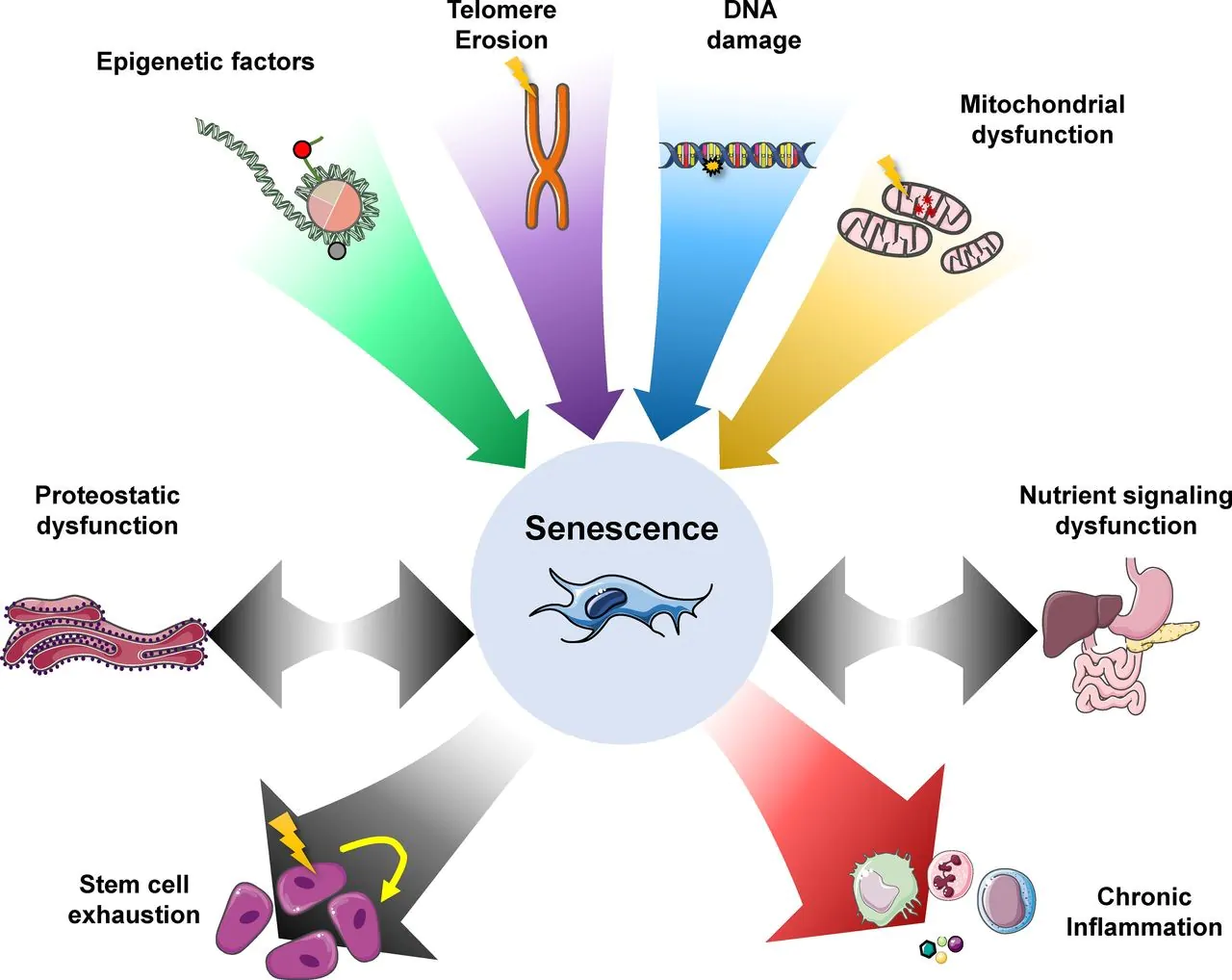
Source: 세포 생물학 저널

이 이미지는 노화에 어떤 요인이 어떤 요인과 노화 결과가 무엇인지 표시합니다. 노화 세포를 제거하면 줄기 세포 소진이 완화되지는 않지만 속도가 느려질 수 있습니다. 그러나 그것은 심장 질환, 뇌졸중 등과 같은 여러 상태의 잘 확립 된 동인 인 만성 염증을 줄이는 데 도움이됩니다.

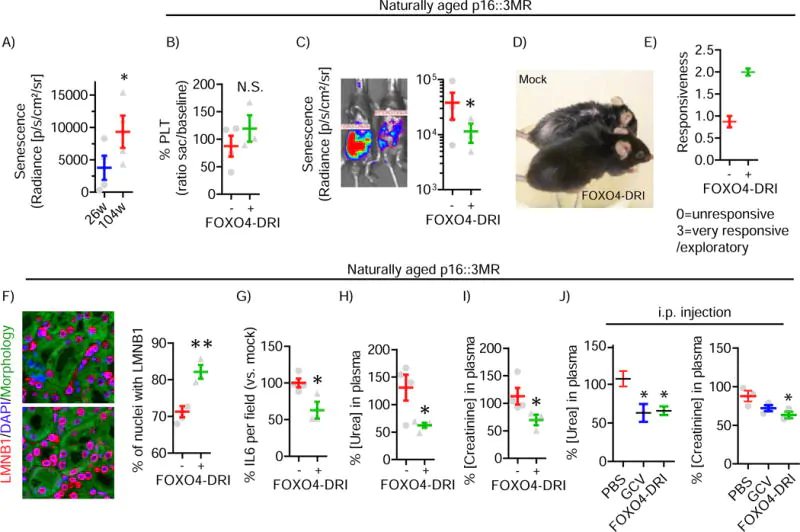
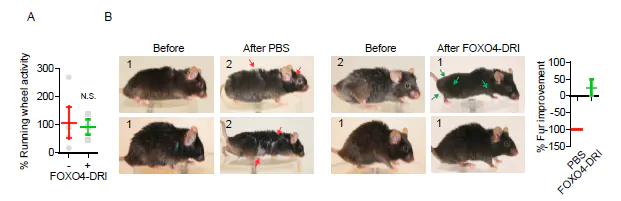
신체가 고칠 수있는 능력을 넘어서는 세포 손상은 건강 범위에 대한 주요 제한 중 하나입니다. 유기체가 건강하고 최적으로 기능하는 시간 인 건강 범위는 일반적으로 수명보다 짧습니다. HealthSpan의 감소는 노화로 나타납니다. 건강 범위를 연장하는 능력은 더 많은 수년간 살아남을 수는 없지만 건강이 더 커지고 더 나은 기능을하면서 우리에게 할당 된 년을 살아갈 수 있습니다. 마우스 모델에서 FOXO4는 노화 된 마우스의 건강 범위를 개선하여 체력, 모피 밀도 및 신장 기능이 증가하는 것으로 나타났습니다. 마우스는 반드시 더 오래 살 필요는 없지만 건강, 심지어 나이가 더 많아서 장애가 적고 심장병, 근골격계 기능 장애 등과 같은 연령 관련 상태가 줄어 듭니다.[2].
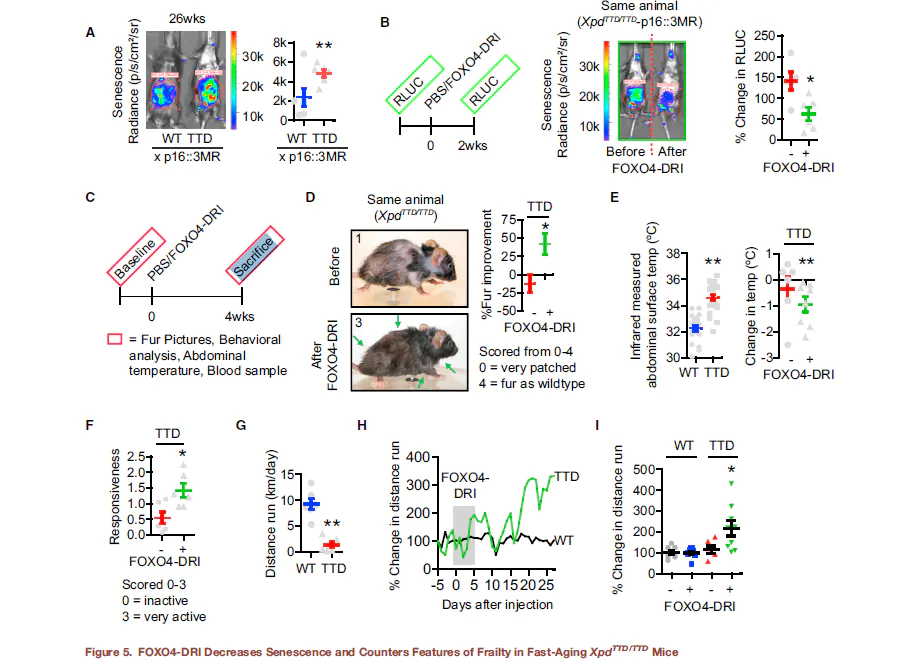
모피 밀도에 의해 지시 된 바와 같이, 개선 된 체력을 나타내는 이미지는 노화를 모델링하는 데 사용 된 화학 주성 물질에 적용한 후 FOXO4-DRI로 처리 된 마우스에서 :
Source: Pubmed.

FOXO4-DRI 연구

1. 인슐린 신호 전달

Foxo 단백질은 인슐린 신호 전달의 중요한 조절제이지만 인슐린 유사 성장 인자뿐만 아니라 인슐린 자체의 하류에서 작용한다는 것이 오랫동안 이해되어왔다. 동물 모델에 대한 연구에 따르면 Foxo는 세포 대사, 성장, 분화, 산화 스트레스 등에 대한 인슐린 및 인슐린-유사 성장 인자의 억제제 효과를 매개한다는 것을 나타냅니다. FOXO의 돌연변이는 인슐린 신호 전달의 병리학 적 변화와 암뿐만 아니라 대사 질환의 발달과 관련이있다. 당뇨병 환자에서 FOXO 신호 전달의 변화는 공복 고혈당증 및 고지혈증으로 이어집니다.[6]. 후자는 신장 손상, 뇌졸중, 심장 마비, 상처 치유 장애 등과 같은 질병의 많은 합병증을 유발하기 때문에 당뇨병의 가장 관련이있는 부분 중 하나입니다. 당뇨병에서 FOXO 신호 전달을 조절하는 능력은 질병의 심각한 합병증을 예방하는보다 표적적이고 효과적인 방법을 제공 할 수 있습니다. FOXO4-DRI가 인슐린 신호 전달에 어떤 영향을 미치는지는 확실하지 않지만 단백질은 공복 혈당 수준을 감소시킴으로써 인슐린의 하류 효과를 향상시킬 수 있다고 생각됩니다.

2. 심장병

나이는 심혈관 질환의 위험 인자입니다. 이 위험은 심장의 프로 테아 좀 활동 감소에 의해 매개되는 것으로 보인다. 프로 테아 좀은 세포가 "손상된"또는 기능 장애로 표시된 산화 된 단백질 및 기타 단백질을 제거 할 책임이있다. 쥐에 대한 연구는 나이가 프로 테아 좀 활동과 반비례 관계가있어 심장 내 손상된 단백질의 수준이 증가 함을 보여줍니다.[7].

Foxo 단백질은자가 포식 및 프로 테아 좀 활성을 매개합니다. FOXO4 수준의 증가는 프로 테아 좀 활성의 증가로 이어져 특정 조직 내에서 산화 및 단백질 손상 수준을 감소시켰다. Foxo4-Dri 또는 그 변형이 심장의 자연적인 하우스 키핑 기능을 향상시키고 심혈관 기능의 연령 관련 변화를 줄일 수 있습니다.[8].

3. 신경 퇴행성 질환

Age-related changes in cognitive function have a complex etiology. Even relatively common diseases, like Alzheimer’s disease, are not fully understood by the medical community. There is some evidence, however, to support the notion that changes in proteasome activity can lead to or exacerbate underlying neurodegenerative conditions. It isn’t clear if impaired proteasome activity is a primary cause or secondary contributor to diseases like Alzheimer’s disease, but impairment of the systems has been found in Parkinson’s, Alzheimer’s, Huntington’s, and Prion disease. There is also impairment of proteasome function in amyotrophic lateral sclerosis (ALS or Lou Gehrig’s disease) [9].

It appears that FOXO proteins are modified in the central nervous system, a finding that has led researchers to explore the idea that exogenous FOXO protein may be useful in treating or preventing neurodegenerative disorders. At the very least, there is hope that FOXO4-DRI and other modified FOXO proteins may be useful in slowing the relentless progression of neurodegenerative disorders [10].

요약

FOXO4-DRI는 노화가 된 세포에서 아 pop 토 시스를 향상시켜 조직 기능이 향상되고 동물 모델에서 전반적인 건강을 향상시키는 것으로 명확하게 입증되었습니다. FOXO4-DRI의 영향이 얼마나 광범위한 지 볼 수는 있지만, 단백질이 치매, 심장병 및 세포 노화로 인한 일반적인 기능 상실과 같은 연령 관련 조건에 대한 통찰력을 발휘할 수 있기를 희망합니다.

FOXO4-DRI exhibits minimal side effects, low oral and excellent subcutaneous bioavailability in mice. Per kg dosage in mice does not scale to humans. FOXO4-DRI for sale at Peptide Gurus is limited to educational and scientific research only, not for human consumption. Only buy FOXO4-DRI if you are a licensed researcher.

기사 저자

The above literature was researched, edited and organized by Dr. Logan, M.D. Dr. Logan holds a doctorate degree from Case Western Reserve University School of Medicine and a B.S. in molecular biology.

과학 저널 저자

The aim of Dr. Peter de Keizer’s group is to unravel the molecular mechanisms that cause cells to become senescent and to identify how these cells drive aging and age-related diseases. The role of senescence in late-stage therapy-resistant cancer is a major component of this research. The research has a strong translational component and a spearpoint of the group is to develop methods to target the deleterious effects of senescent and senescent-like cancer cells, for instance by eliminating them altogether. In 2004, Peter obtained his MSc in Biomolecular Science form Utrecht University. The final part of his training was performed at Harvard Medical School / Massachusetts General Hospital in Boston, USA. Here, he focused on therapy-resistant Glioblastoma, the most lethal form of brain cancer, something which is now on of the focus areas of the group. In 2009, Peter obtained his PhD from UMC Utrecht on the regulation of FOXO proteins under conditions of stress and their role in tumor suppression. Dr. Peter de Keizer is being referenced as one of the leading scientists involved in the research and development of FOXO4-DRI. In no way is this doctor/scientist endorsing or advocating the purchase, sale, or use of this product for any reason. There is no affiliation or relationship, implied or otherwise, between Peptide Gurus and this doctor. The purpose of citing the doctor is to acknowledge, recognize, and credit the exhaustive research and development efforts conducted by the scientists studying this peptide. Dr. Peter de Keizer is listed in [2] under the referenced citations.

참조 인용

  1.     W. Liu, Y. Song, J. Wang, H. Xiao, Y. Zhang, and B. Luo, “Dysregulation of FOXO transcription factors in Epstein-Barr virus-associated gastric carcinoma,” Virus Res., p. 197808, 2019 년 11 월.
  2.     Baar, Marjolein P, et al. “Targeted Apoptosis of Senescent Cells Restores Tissue Homeostasis in Response to Chemotoxicity and Aging.” Cell, vol. 169, no. 1, 2017, pp. 132-147.e16, www.ncbi.nlm.nih.gov/pubmed/28340339, 10.1016/j.cell.2017.02.031. 
  3.     A. T.-Y. Chen et al., “Longevity Genes Revealed by Integrative Analysis of Isoform-Specific daf-16/FoxO Mutants of Caenorhabditis elegans,” Genetics, vol. 201, 아니요. 2, pp. 613–629, 2015 년 10 월.
  4.     P. Krimpenfort and A. Berns, “Rejuvenation by Therapeutic Elimination of Senescent Cells,” Cell, vol. 169, 아니요. 1, pp. 3–5, 23 2017.
  5. "노화 및 노화 : 원인, 결과 및 치료 수단 | JCB." [온라인]. 사용 가능 : http://jcb.rupress.org/content/217/1/65. [접근 : 2019 년 17 월 17 일].
  6.     S. Lee and H. H. Dong, “FoxO integration of insulin signaling with glucose and lipid metabolism,” J. Endocrinol., vol. 233, 아니요. 2, pp. R67 – R79, 2017.
  7.     A.-L. Bulteau, L. I. Szweda, and B. Friguet, “Age-dependent declines in proteasome activity in the heart,” Arch. Biochem. Biophys., vol. 397, 아니오. 2, pp. 298–304, 2002 년 1 월.
  8.     G. Murtaza, A. K. Khan, R. Rashid, S. Muneer, S. M. F. Hasan, and J. Chen, “FOXO Transcriptional Factors and Long-Term Living,” Oxid. Med. Cell. Longev., vol. 2017, 2017.
  9.     A. Ciechanover and P. Brundin, “The ubiquitin proteasome system in neurodegenerative diseases: sometimes the chicken, sometimes the egg,” Neuron, vol. 40, 아니오. 2, pp. 427–446, 2003 년 10 월.
  10.   W. Hu et al., “Roles of forkhead box O (FoxO) transcription factors in neurodegenerative diseases: A panoramic view,” Prog. Neurobiol., vol. 181, p. 101645, 2019 년 10 월.
ALL ARTICLES AND PRODUCT INFORMATION PROVIDED ON THIS WEBSITE ARE FOR INFORMATIONAL AND EDUCATIONAL PURPOSES ONLY. 이 웹 사이트에서 제공되는 제품은 투명한 연구를 위해 제공됩니다. 내역 연구 (라틴어 : 유리)는 신체 외부에서 수행됩니다. 이 제품은 의약품이나 약물이 아니며 FDA에 의해 의학적 상태, 질병 또는 질병을 예방, 치료 또는 치료하기 위해 승인되지 않았습니다. 인간이나 동물에 어떤 종류의 신체적으로 소개되는 것은 법에 의해 엄격히 금지되어 있습니다.

요청 요청

ABOUT US

Peptidegurus는 미국에서 만든 연구 펩티드의 주요 공급 업체로 경쟁력있는 가격으로 최고 품질의 제품을 제공합니다. 우수성 및 고객 서비스에 중점을 두어 글로벌 배송으로 안전하고 편리한 주문 프로세스를 보장합니다.

견적을 요청하십시오

  • 펩티드 전문가
  • info@peptidegurus.com
  • 글렌 데일, 그것은 미국입니다
  • 연락하다

    요청 요청